Imagine acing a video interview, shaking hands (virtually) with a CEO, and getting hired on the spot. Then, you’re asked to pay for your own laptop or ‘training fee’ and the job vanishes, along with your money. This isn’t a plot twist; it’s a new wave of job scams powered by deepfakes.
Cybercriminals are using AI-generated audio and video to impersonate recruiters and executives, creating hyper-realistic cons that have already drained bank accounts. The FBI’s Internet Crime Complaint Center reported investment fraud losses over $4.5 billion in 2023, with deepfake lures playing a significant role. Here are the three new scams you need to know about, and how to protect yourself.
The Deepfake Threat Goes to Work
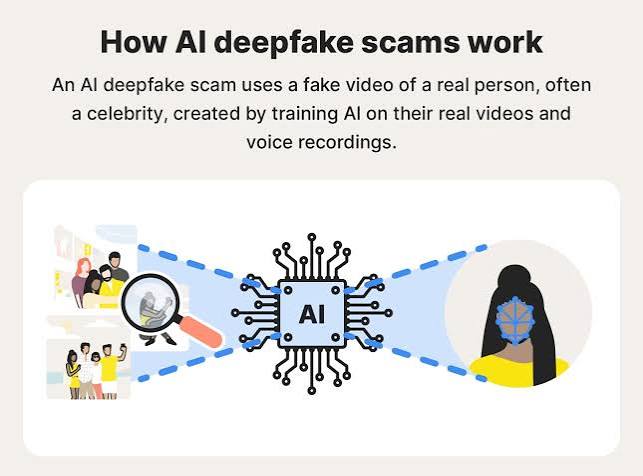
Remote work has made hiring digital-first. Video interviews are standard, and onboarding often happens without a single in-person meeting. Scammers have exploited this shift, using AI tools to clone voices and faces with frightening accuracy. They scrape a few minutes of a real recruiter’s video from LinkedIn or a company’s YouTube channel, then use off-the-shelf software to create a fake version that can interview you live.
What was once Hollywood-level VFX is now accessible to anyone with a laptop and a grudge against your bank account. The result? A surge in sophisticated job scams that are harder to spot than the old “Nigerian prince” emails.
Scam 1: The Fake Interview Trap
Picture this: You apply for a remote position at a well-known tech company. Within days, you get a Zoom invite from the “hiring manager.” The video call goes smoothly—the person looks and sounds exactly like the executive you researched. They offer you the job on the spot, but there’s a catch: you need to pay a “processing fee” for your work visa or “equipment deposit” for a company laptop.
The deepfake makes it feel legitimate. You’ve seen this person on the company’s website. But once you wire the money, the “recruiter” vanishes, and the real company has never heard of you.
How it works: Scammers create a deepfake of a real employee, often using publicly available footage. They conduct a live interview, sometimes even answering questions with pre-scripted responses. The urgency of the offer and the request for payment are designed to bypass your skepticism.
Red flags: Legitimate employers never ask for money upfront. If a job offer requires any payment for equipment, training, or visas, it’s a scam. Also, be wary of interviews where the connection is poor or the person seems slightly off—glitches in lip-sync or unnatural blinking can be giveaways.
Scam 2: The Crypto “Work-From-Home” Hustle
This scam targets job seekers with promises of easy money in cryptocurrency trading. You’re hired as a “crypto asset manager” for a startup that seems legit—they have a polished website, glowing employee testimonials, and even video messages from the “founder.” Your job is to deposit your own money into a trading platform to “test” it or to “match” a company contribution.
At first, the platform shows impressive returns. You invest more, encouraged by fake success stories featuring deepfake videos of supposed employees who claim they’ve made thousands. But when you try to withdraw, the platform freezes your account, and the company disappears.
How it works: The deepfakes here are used to create convincing testimonials and “live” webinars. The entire company is a facade, built with AI-generated content to lure victims into depositing real money into a fake exchange.
Red flags: Be skeptical of jobs that require you to invest your own money. Legitimate jobs pay you; they don’t ask you to pay them. Also, research the company independently—check if they’re registered with financial regulators and look for reviews on trusted sites.
Scam 3: The Deepfake CEO Onboarding
You’ve landed a remote job, completed your paperwork, and are ready to start. Then, you get a video call from the “CEO” or “CFO”—someone you recognize from the company’s website. They explain that there’s an urgent, confidential acquisition, and they need you to process a wire transfer to a vendor. Or they ask for your banking credentials for “payroll setup.”
The deepfake is so convincing that you don’t think twice. You authorize the payment or share your login details, and your bank account is cleaned out.
How it works: This scam exploits the trust you’ve already built with the fake employer. Scammers have access to your personal information from the initial application, making the request seem plausible. They use voice cloning and video deepfakes to impersonate high-level executives, creating a sense of urgency that pressures you into acting without verification.
Red flags: No legitimate company will ask you to make urgent payments or share banking credentials over a video call. Always verify such requests through a separate communication channel, like a known phone number or official email. If it’s a real CEO, they’ll be reachable, and you can confirm.
Why These Scams Are So Effective
The deepfake element adds a layer of false legitimacy that classic scams lacked. When you see a familiar face, your brain goes into trust mode. The emotional high of getting a job offer, combined with the authority of a CEO, creates a powerful psychological hook.
Moreover, the current job market is brutal. With mass layoffs in tech, many skilled professionals are desperate, and that desperation clouds judgment. Scammers exploit this by targeting recent graduates and those in financial distress, who are more likely to ignore red flags.
How to Protect Yourself
First, remember the golden rule: No legitimate employer will ever ask you for money. If you encounter any request for payment, it’s a scam.
Second, verify independently. If you’re interviewing, contact the company directly through their official website or phone number to confirm the interviewer’s identity. Don’t use contact details provided in the suspicious email.
Third, be wary of urgency. Scammers create false deadlines to rush you. Take a step back and think.
Fourth, learn to spot deepfakes. Look for subtle anomalies: unnatural eye movement, slight audio lag, or a face that doesn’t quite match the lighting. But remember, deepfakes are getting better, so don’t rely solely on visual cues.
Finally, if you suspect a scam, report it to the FBI’s IC3 and the Federal Trade Commission. Reporting helps law enforcement track these criminals and warn others.
The Bigger Picture: An Arms Race
Cybersecurity experts describe a constant battle between deepfake creators and detection tools. As detection improves, so do the fakes. The deeper issue is social engineering—the deepfake is just the hook; the real trick is manipulating human psychology.
Legitimate companies are also victims. Recruiters find their faces and voices stolen, and their job postings are scraped and reposted with altered contact details. This erosion of trust affects everyone, making remote hiring more challenging.
Regulation is lagging. Many countries lack specific laws against deepfake fraud, and the cross-border, crypto-based nature of these crimes complicates prosecution. Until laws catch up, awareness is your best defense.
Deepfake job scams are a new twist on an old problem. By understanding the three main types—fake interviews, crypto schemes, and CEO impersonation—you can spot the red flags and protect your bank account. Always remember: if it feels too good to be true, it probably is. Stay vigilant, verify everything, and trust your instincts.
Summary
- Deepfake job scams use AI-generated audio/video to impersonate recruiters and executives, tricking victims into sending money.
- Three dominant scams: fake interviews requesting fees, crypto work-from-home schemes requiring deposits, and CEO impersonation for urgent payments or banking details.
- Losses can range from thousands to over $100,000, with investment fraud totaling $4.5 billion in 2023.
- Target remote job seekers, especially in a tough job market, exploiting the lack of in-person verification.
- Protect yourself: never pay for a job, verify independently, and report suspicious activity to the FBI’s IC3.
FAQ
Q: How do scammers create deepfakes of real people?
A: They scrape publicly available videos and audio from social media, like LinkedIn or YouTube, then use AI tools to create a realistic clone that can speak and move like the real person.
Q: Can I spot a deepfake during a video call?
A: Look for subtle clues like unnatural blinking, slight lip-sync issues, or audio that’s out of sync. However, deepfakes are improving, so never rely solely on visual detection.
Q: What should I do if I think I’ve been targeted?
A: Stop all contact, don’t send any more money or information, and report the incident to the FBI’s IC3 (ic3.gov) and the Federal Trade Commission. Also, contact your bank to freeze accounts if you’ve shared credentials.
Q: Are legitimate companies asking for fees during onboarding?
A: No. Genuine employers cover costs like equipment and visas. Any request for payment from a job candidate is a major red flag.
Q: How can I verify a job offer is real?
A: Always contact the company directly using official channels from their website, not the contact info in the offer. Ask to speak with someone in HR and confirm your offer in writing.