
Tag: job offer

  • 10 Red Flags to Avoid When Accepting a New Job

    10 Red Flags to Avoid When Accepting a New Job

    You’ve survived the interview gauntlet, and the offer letter sits in your inbox. The salary is right, the title is shiny, and the office (or home office) looks great in the video tour. But before you sign on the dotted line, take a breath. A 2023 survey by JobSage found that 68% of workers regret accepting a job, with culture mismatch and misleading job descriptions leading the list of culprits. The cost of a bad hire isn’t just an employer’s problem—for you, it means lost income, gaps in benefits, and a hit to your career momentum.

    Spotting red flags early can save you from a world of regret. Some warning signs are blatant, like a hiring manager who rolls their eyes when you ask about work-life balance. Others are subtle, like a job description that keeps shifting between interview rounds. This guide breaks down 10 concrete red flags to watch for, drawn from career experts at Forbes, Harvard Business Review, and The Muse, plus practical advice on how to respond to each. Remember: a red flag isn’t always a dealbreaker, but ignoring a cluster of them is a gamble with your livelihood.

    1. The Job Description Is Vague or Keeps Changing

    If the role you applied for morphs into something unrecognizable by the third interview, that’s a sign of disorganization or a leader who doesn’t know what they need. A job description that reads like a wish list of six different roles—”We need a marketing guru who can also code and manage our supply chain”—is a red flag for unrealistic expectations.

    What to do: Ask the hiring manager to walk you through a typical day and the top three priorities for the first 90 days. If they can’t articulate them, that’s a warning. Compare the original job posting to what you’re told verbally. If there’s a major mismatch, clarify in writing before accepting.

    2. High Turnover in the Role or Team

    When the last three people in this position left within a year, that’s not a coincidence—it’s a pattern. High turnover can indicate a toxic manager, impossible workload, or a role that was oversold. According to the U.S. Department of Labor, a bad hire can cost a company up to 30% of the employee’s first-year earnings, but for you, it’s your time and sanity.

    What to do: Don’t be shy—ask directly: “How long have the last few people in this role stayed? What did they go on to do?” On LinkedIn, find former employees and ask them for a candid chat. If the company hesitates to share, consider that a red flag in itself.

    3. Negative or Evasive Interviewer Behavior

    Interviews go both ways. If the hiring manager rolls their eyes when you ask about work-life balance, or the interviewer dodges questions about team culture, they’re telling you something. A 2023 survey by JobSage found that culture mismatch is a top reason for job regret, so take those cues seriously.

    What to do: Trust your gut. If someone is dismissive during the interview, they’ll likely be worse as a colleague. You can also ask follow-up questions like, “What do you enjoy most about working here?” If the answer is vague or negative, that’s a sign.

    4. Unclear Compensation or Benefits Details

    If the salary is discussed in vague ranges (“We pay competitively!”) or benefits are described as “standard” without specifics, be wary. A legitimate offer should include a clear salary, bonus structure, benefits package, and any other perks in writing. If you have to drag the details out of them, they may be hiding something.

    What to do: Ask for a written summary of the total compensation package before you accept. If they resist, that’s a red flag. Also, check if the salary is above or below industry standards on sites like Glassdoor or LinkedIn—if it’s significantly lower, you’ll want to negotiate or reconsider.

    5. Excessive Urgency to Fill the Position

    “We need someone to start yesterday!” might sound flattering, but it’s often a sign of a chaotic environment. A company that can’t plan its hiring pipeline may also struggle with other aspects of operations. Urgency can also be a pressure tactic to make you accept without thinking.

    What to do: Take a step back. If a company pushes you to decide within 24 hours, that’s a red flag. A reasonable employer will give you at least a week to consider. Use the time to do your due diligence—research the company, talk to current or former employees, and review the offer with a trusted mentor.

    6. Poor Communication During the Hiring Process

    If it takes weeks to get a response, or your emails go unanswered, that’s a preview of what it’s like to work there. Communication is the backbone of any healthy work relationship, and if it’s broken during the honeymoon phase, it’s not going to improve later.

    What to do: Note the response times and tone. If you’re being ghosted or given the runaround, consider whether you want to enter that environment. You can also mention this politely to the recruiter—if they’re apologetic and improve, that’s a good sign; if they’re defensive, run.

    7. Unrealistic Expectations (e.g., “We Work Hard and Play Hard”)

    Phrases like “we work hard and play hard” or “we’re like a family” are code for “we’ll work you to the bone and guilt-trip you if you complain.” The same goes for expectations like being on call 24/7 or “hustle culture.” These are red flags for burnout.

    What to do: Ask about actual work hours, overtime, and how performance is measured. If the interviewer boasts about “all-nighters” or “crunch time,” ask how often that happens and what the team does to prevent burnout. If they don’t have a good answer, that’s a warning.

    8. Lack of Structured Onboarding or Training Plan

    If the hiring manager can’t tell you what your first week looks like, or there’s no formal onboarding process, you might be thrown into the deep end. While some startups are more flexible, a complete lack of structure can leave you floundering and set you up for failure.

    What to do: Ask about onboarding: “What does the first 30 days look like?” “Is there a mentor or buddy system?” “What training is provided?” If they say, “You’ll figure it out,” that’s a red flag—unless you thrive in chaos, which is rare.

    9. Discrepancies Between What’s Said and What’s Written in the Offer

    The interview promised remote work, but the offer letter says “hybrid.” The recruiter said the bonus is guaranteed, but the contract says “at the company’s discretion.” These discrepancies are not typos—they’re red flags.

    What to do: Carefully review the offer letter and compare it to any verbal agreements. If there’s a discrepancy, ask for clarification in writing. If the company refuses to correct it, that’s a major red flag. You want a written contract that matches the promises made.

    10. Gut Feeling of Discomfort or Pressure

    Your intuition is a powerful tool. If something feels off—even if you can’t pinpoint it—don’t ignore it. This is especially important if you’re feeling pressure to accept due to sunk cost (you’ve invested time in interviews), anchoring (the salary is high), or fear of missing out (the job market is tight).

    What to do: Give yourself space to reflect. Talk to trusted friends or mentors about your impressions. If you’re feeling rushed, that’s a red flag. A good employer will respect your need to make an informed decision.

    Accepting a new job is a two-way street. You’re not just being evaluated—you’re also evaluating the company. Red flags are not always dealbreakers; sometimes a disorganized process is just a busy startup. But when you see multiple warning signs, or one that’s severe (like illegal interview questions), it’s wise to listen. Take your time, ask clarifying questions, and trust your gut. The 68% of workers who regretted their job choice wish they had paid attention to the signs. Don’t be one of them.

    Summary

    • 68% of workers regret accepting a job, with culture mismatch and misleading job descriptions as top reasons.
    • A bad hire can cost a company up to 30% of the employee’s first-year earnings, but for you, it’s your time and career.
    • Watch for vague job descriptions, high turnover, evasive interviewers, unclear compensation, and excessive urgency.
    • Poor communication, unrealistic expectations, lack of onboarding, and discrepancies between what’s said and written are all red flags.
    • Trust your gut—if something feels off, investigate before signing.

    FAQ

    Q: Is a red flag always a dealbreaker?
    A: No. Some red flags are manageable if you acknowledge and address them. For example, a disorganized onboarding can be improved with a proactive attitude. The key is severity and pattern—if you see multiple red flags or one that’s severe, it’s a dealbreaker.

    Q: Can a high salary make up for other red flags?
    A: High pay can mask a toxic culture, but burnout and turnover often negate the financial benefit. Studies show that employees leave managers, not companies. Consider the long-term cost to your well-being and career.

    Q: Will asking tough questions cost me the offer?
    A: Well-framed questions about turnover, expectations, and culture are usually respected. If a candidate is penalized for asking, that’s itself a red flag. A good employer appreciates a thoughtful candidate.

    Q: Are red flags only about the company?
    A: No. Some red flags are about your fit—like a role that requires skills you don’t have or a commute you can’t sustain. Self-awareness is part of the evaluation.

    Q: Does a bad interview process mean a bad company?
    A: Not necessarily. Sometimes the hiring manager is just busy or the process is new. Look for patterns across multiple interactions, not a single incident. If the process is consistently disorganized, that’s a warning.
  • How to Negotiate Your Salary: A Practical Guide to Getting What You’re Worth

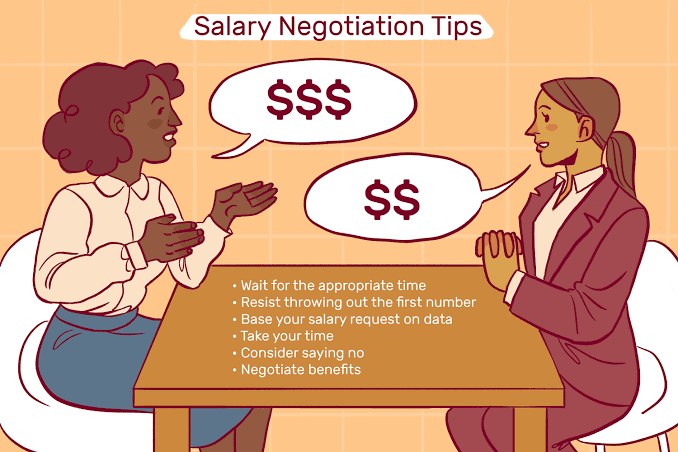
    How to Negotiate Your Salary: A Practical Guide to Getting What You’re Worth

    You’ve aced the interview, and the offer email lands in your inbox. Your heart skips—not just from excitement, but from the sudden weight of the number staring back at you. Is it fair? Could it be higher? Should you ask for more? For many, this moment triggers a mix of anxiety and uncertainty, leading to a silent acceptance that leaves money on the table.

    But here’s the truth: salary negotiation is not a high-stakes gamble reserved for the bold. It’s a standard, expected part of professional life—a conversation that hiring managers and HR professionals engage in regularly. In fact, most employers anticipate it and build room for it into their initial offers. Yet, surveys suggest that 50-60% of candidates never negotiate, forfeiting thousands of dollars over the course of their careers.

    This guide will walk you through the art and science of salary negotiation, from understanding the psychology behind it to mastering the conversation itself. Whether you’re a first-time job seeker or a seasoned professional eyeing a promotion, you’ll learn how to approach this discussion with confidence, strategy, and a clear-eyed view of your worth.

    Understanding the Landscape: Why Negotiation Matters

    Salary negotiation is the process of discussing your compensation package—base salary, bonuses, equity, benefits, and perks—with an employer. It happens during the hiring process or when you’re up for a performance review or promotion. The stakes are high: a successful negotiation can boost your starting salary by 5-10% on average, and that increase compounds over time through raises and bonuses.

    Yet, many people shy away. Why? Often, it’s fear—fear of losing the offer, appearing greedy, or damaging a relationship with a future boss. But research shows that about 70% of hiring managers expect candidates to negotiate and don’t view it negatively when done professionally. In fact, they often respect candidates who advocate for themselves.

    Understanding the employer’s perspective is key. Hiring managers have budget constraints and must maintain internal equity—fairness with existing team members. They may have limited flexibility on base salary but more room on signing bonuses, start dates, or vacation days. Recognizing these levers can turn a stalled negotiation into a win-win.

    The Psychology of Negotiation: Anchors, Loss Aversion, and Fairness

    Negotiation is as much about psychology as it is about numbers. One of the most powerful concepts is anchoring: the first number mentioned sets the tone for the entire discussion. If you state a higher but reasonable number, you pull the final offer upward. Conversely, if you let the employer anchor low, you’ll likely settle for less.

    Another factor is loss aversion—the tendency to fear losing something more than we value gaining it. Candidates worry about losing the offer; employers worry about losing a good candidate. This mutual fear often leads both sides to compromise more than necessary. Recognizing this can help you stay calm and patient.

    Finally, fairness perceptions matter. Negotiations framed as “I want to be fairly compensated for my skills and experience” are better received than demands that seem purely self-interested. When you tie your request to market data and your qualifications, you’re not being greedy—you’re being reasonable.

    Preparation: Your Secret Weapon

    Before you say a word, you need to do your homework. Start by researching market rates for your role, industry, and location. Use sites like Glassdoor, Payscale, and LinkedIn Salary, and talk to people in your network. If you’re in a state with salary transparency laws (like Colorado or California), you may have access to posted salary ranges—use them.

    Next, quantify your achievements. Think about specific examples where you added value: increased sales by 20%, led a project that saved $50,000, or improved team efficiency. These concrete numbers give you leverage and make your case compelling.

    Finally, practice the conversation. Role-play with a friend or mentor. Prepare responses to common pushbacks, like “That’s above our budget” or “What’s your current salary?” (A good answer to the latter: “I’d prefer to focus on the value I can bring to this role and what a fair offer looks like based on market data.”)

    The Negotiation Timeline: From Offer to Acceptance

    Negotiation doesn’t start with the counteroffer—it starts long before. Here’s a typical timeline:

    1. Pre-offer: Research, build leverage, and prepare your talking points. If you have competing offers, even better—they give you power.
    2. Offer received: Express enthusiasm for the role and the company. Then, ask for time to review the offer. A standard request is 24-48 hours. This shows you’re thoughtful, not desperate.
    3. Counteroffer: Present a specific, justified number or range. Use your research to back it up. For example, “Based on my research and experience, I was expecting a base salary in the range of $85,000-$90,000.”
    4. Back-and-forth: Expect 1-3 rounds of negotiation. Don’t drag it out—endless haggling can sour the relationship. If you reach a stalemate, consider asking for non-salary perks like extra vacation days or a signing bonus.
    5. Final acceptance: Get everything in writing. This includes not just salary, but bonuses, equity, benefits, and any verbal promises made during the negotiation.

    Tactics That Work: What to Say and Do

    Here are some proven tactics to employ:

    • Use silence strategically: After you state your number, stop talking. Let the other side respond. Silence feels uncomfortable, but it’s powerful—it puts pressure on them to fill the void.
    • Focus on total compensation: Don’t fixate solely on base salary. Consider the full package: bonuses, equity, retirement contributions, paid time off, flexible work arrangements, professional development budgets. Sometimes these are easier to adjust than salary.
    • Be willing to walk away: The ultimate leverage is knowing you have alternatives. If you have another offer or a current job you’re happy with, you can negotiate from strength. Even if you don’t, projecting a willingness to walk away can shift the dynamic.
    • Frame it as fairness: Say something like, “I’m excited about this role and believe my skills are a great match. Based on market data, I’d like to be compensated fairly at $X.” This positions you as reasonable, not greedy.

    Navigating Different Perspectives: Candidate, Manager, and HR

    Understanding the other side’s perspective can give you an edge.

    • The hiring manager wants to secure a strong candidate within budget. They may have limited flexibility on salary but can advocate for you internally or offer perks. Build rapport with them—they can be your ally.
    • The HR or recruiter is often evaluated on time-to-fill and offer acceptance rates. They want to close the deal. They may use tactics like asking for your current salary to anchor low. Politely deflect and redirect to market data.
    • The company aims to control costs while attracting talent. Pay equity laws are pushing companies to standardize offers, but there’s still room for negotiation, especially for exceptional candidates.

    Special Situations: Promotions, Gender Gaps, and Transparency

    Negotiating a promotion is different from negotiating a job offer. Internal candidates often have less leverage—a phenomenon known as the “loyalty penalty.” To counter this, focus on your proven track record and the market rate for your new role. If the company balks, ask for a timeline for review or a commitment to revisit compensation in six months.

    Research shows that women and underrepresented groups negotiate less frequently, often due to social pressures. But studies also show that when negotiation is framed as advocating for others or when clear norms are provided, the gap narrows. If you’re in this position, remember: negotiating is not just for you—it sets a precedent for others.

    Finally, salary transparency laws are changing the game. In places like Colorado, California, and New York, employers must post salary ranges. This gives candidates more information and power. Even if you’re not in a regulated area, you can ask for the range upfront—it’s a reasonable question.

    Common Mistakes to Avoid

    • Not negotiating at all: The biggest mistake is staying silent. Even a small ask can yield results.
    • Being too aggressive: Demanding an outrageous number without justification can backfire.
    • Accepting the first offer without review: Always take time to consider the offer. It’s rare that a quick acceptance is in your best interest.
    • Focusing only on salary: Don’t overlook benefits and perks that could be worth thousands.
    • Burning bridges: Even if the negotiation fails, maintain professionalism. You never know when your paths will cross again.

    Putting It All Together: A Sample Script

    Here’s how a counteroffer might sound:

    “Thank you so much for the offer—I’m really excited about the opportunity to join the team. I’ve reviewed the details, and I’m enthusiastic about the role. However, based on my research and experience, I was expecting a base salary closer to $90,000. I’ve also seen that similar roles in this market typically include a signing bonus. Would it be possible to adjust the offer to $90,000 and include a $5,000 signing bonus?”

    This script is polite, specific, and backed by research. It opens the door for a conversation, not a confrontation.

    Salary negotiation is a skill, and like any skill, it improves with practice. The next time you receive an offer, remember: you have more power than you think. Employers expect negotiation, and most respect candidates who do it well. By preparing thoroughly, understanding the psychology, and using proven tactics, you can secure a compensation package that reflects your true worth. So take a deep breath, ask for what you deserve, and watch your career—and your bank account—benefit.

    Summary

    • Negotiation is expected: Most hiring managers anticipate negotiation and don’t view it negatively when done professionally.
    • Preparation is key: Research market rates, quantify your achievements, and practice the conversation.
    • Anchoring matters: State a higher but reasonable number to pull the final offer upward.
    • Consider the full package: Base salary is just one component; bonuses, equity, benefits, and perks can be negotiated too.
    • Be willing to walk away: Having alternatives gives you leverage and confidence.

    FAQ

    Q: What if the employer says the salary is non-negotiable?
    A: Ask if there’s flexibility in other areas, such as a signing bonus, additional vacation days, or a performance review after six months. Sometimes the base salary is fixed, but other perks can be adjusted.

    Q: How do I respond to ‘What’s your current salary?’
    A: Politely deflect and redirect: “I’d prefer to focus on the value I can bring to this role and what a fair offer looks like based on market data.” In some regions, asking for current salary is illegal, so you can also cite that.

    Q: Is it okay to negotiate a job offer if I’m a new graduate?
    A: Yes, but be realistic. Research entry-level salaries in your field and location. Even if you don’t have much experience, you can negotiate for other perks like relocation assistance or professional development opportunities.

    Q: How many rounds of negotiation is too many?
    A: Typically, 1-3 rounds is standard. If you go beyond that, you risk frustrating the employer. If you reach an impasse, consider whether the offer is acceptable or if it’s time to walk away.

    Q: What if I don’t have competing offers?
    A: You can still negotiate. Focus on your skills, experience, and market data. Even without leverage, a polite, well-researched counteroffer can yield a better deal.