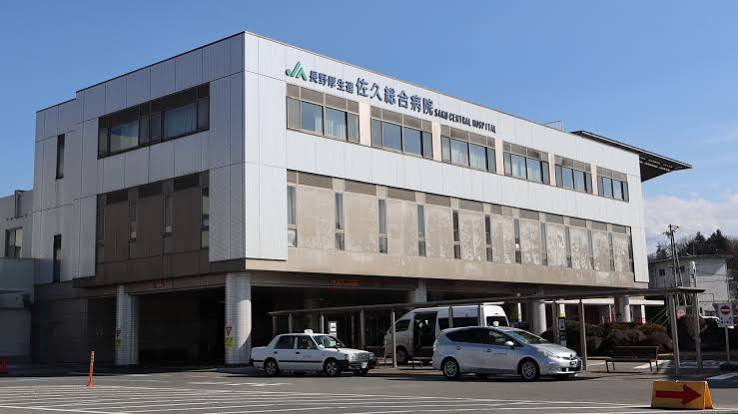
In Saku, a city of about 100,000 people nestled in the mountains of Nagano Prefecture, a pediatrician is redefining what it means to treat a child. Instead of just prescribing medicine and sending families home, this doctor is handing out something more durable: knowledge. Through an initiative called “Teach me! Doctor” (Oshiete! Sensei), the pediatrician is on a mission to boost parents’ understanding of common childhood illnesses—so they can act with confidence, not panic, when their child spikes a fever or comes down with a stomach bug.
The need is real. In Japan, “fever phobia” is widespread: many parents rush to emergency rooms for low-grade fevers, leading to overcrowded clinics and needless anxiety. A 2020 survey by the Japan Pediatric Society found that a significant proportion of parents misused over-the-counter medications or misread fever thresholds. The result? Exhausted families, strained healthcare resources, and children who are often better off being monitored at home.
“Teach me! Doctor” is not about replacing doctors with Google searches. It’s about health literacy—giving parents the tools to know when to watch and wait, and when to seek help. It’s a modern twist on a local legacy: Saku Central Hospital, founded by Dr. Wakatsuki, pioneered community health education in the mid-20th century. Now, this pediatrician is carrying that torch into the 21st century, one workshop and one video at a time.
The Knowledge Gap: Why Parents Struggle
Parenting a young child is a crash course in uncertainty. A fever, a rash, a bout of vomiting—these are common, but they can be terrifying when you don’t know what they mean. For first-time parents especially, the line between “normal” and “dangerous” is blurry. The internet doesn’t help: conflicting advice from forums, blogs, and well-meaning relatives can leave even the most diligent parent confused.
Japanese parents face a particular cultural barrier. In Japan, there’s a strong deference to expert opinion, and many parents feel embarrassed to ask “basic” questions at the doctor’s office. They nod, go home, and then worry in silence. The result is a paradox: universal health insurance makes doctor visits cheap and accessible, but that very ease can breed over-reliance. Why learn to manage a mild cold at home when a clinic is just a short drive away? The downside is that clinics fill up with worried parents, while children with serious conditions may get lost in the crowd.
Fever: The Body’s Fire Alarm
One of the pediatrician’s key messages is about fever. Many parents treat fever as the enemy, but it’s actually a sign that the immune system is fighting an infection. The pediatrician uses a simple analogy: “Fever is the body’s fire alarm, not the fire itself.” The alarm tells you there’s smoke, but it doesn’t mean your house is burning down. Similarly, a fever signals that something is happening, but it doesn’t automatically mean danger.
The initiative teaches parents what fever thresholds actually mean. A temperature of 38°C (100.4°F) might feel alarming, but in a healthy child, it’s usually manageable at home with fluids and rest. The red flags are different: lethargy, difficulty breathing, a rash that doesn’t blanch under pressure, or a fever lasting more than a few days. These are signs to call a doctor. By learning these distinctions, parents can avoid unnecessary ER trips and also recognize when something is truly wrong.
Beyond Fever: What “Teach me! Doctor” Covers
The curriculum is practical and comprehensive. It covers the most common childhood illnesses: colds, gastroenteritis, ear infections, and rashes. Parents learn how to check for dehydration (the “tent test” on the skin, the number of wet diapers), how to manage vomiting (small, frequent sips of fluids), and how to tell a viral rash from a bacterial one. The sessions are hands-on, often using dolls or visual aids to demonstrate techniques.
But the teaching doesn’t stop at the workshop. The pediatrician has embraced digital media to reach more families. Short YouTube videos demonstrate everything from how to use a digital thermometer to how to spot the signs of respiratory distress. Social media posts answer common questions, and a website offers downloadable guides in simple, illustrated formats. For busy parents who can’t attend an in-person session, these resources are a lifeline.
A Local Mission with a Long History
Saku is not a random choice for this initiative. The city has a deep tradition of community health outreach, thanks to Saku Central Hospital and the work of Dr. Wakatsuki, a pioneer of community medicine. In the mid-20th century, Wakatsuki championed the idea that health education should be available to everyone, not just patients in the exam room. He established a model of “health education for all” that emphasized prevention and empowerment.
The “Teach me! Doctor” initiative is a direct descendant of that philosophy. The pediatrician sees it as a continuation of Saku’s legacy: moving beyond treating illness to preventing it by empowering the community. This local connection gives the program authenticity and trust. Parents know the doctor is part of their community, not some distant expert.
What the Medical Community Thinks
Most doctors are supportive of the initiative, but some are cautious. The main worry is that parental self-management could delay care for rare but serious conditions like meningitis or sepsis. No amount of education can replace a doctor’s clinical judgment, and there’s a fine line between reassurance and red flags.
The pediatrician addresses this by emphasizing that the program is not teaching parents to diagnose—it’s teaching them when to call a professional. The workshops are explicit about the limitations of home care. “If you’re ever in doubt, call your doctor. That’s always the right answer,” the pediatrician says. This humility is crucial for maintaining trust with both parents and colleagues.
The Public Health Angle: Saving Resources, Improving Care
From a policy perspective, the initiative aligns with Japan’s national push toward community-based integrated care. By reducing unnecessary ER visits, it saves public health resources. A child with a mild fever who stays home doesn’t occupy a clinic slot or an emergency room bed. That means shorter wait times for the children who really need urgent care.
The model has potential for scalability. If it works in Saku, it could be replicated in other rural areas with similar challenges, or adapted for urban settings where parents face different pressures. The pediatrician’s approach—combining in-person workshops with digital content—is flexible enough to work in various contexts.
A Week in the Life: What Parents Learn
To get a sense of the program, consider what a typical workshop might cover. On a Saturday morning, a group of young parents gathers in a community center. The pediatrician starts with a simple question: “What scares you most about your child’s health?” The answers are predictable: fevers, seizures, not knowing if it’s serious. The doctor listens, then builds the session around those fears.
They practice how to measure temperature accurately, how to count a child’s breathing rate, and how to check for dehydration. They role-play what to say when calling a pediatrician at 2 a.m. They leave with a laminated card that lists red flags. The goal is not to make parents medical experts, but to give them the confidence to make informed decisions. One mother said, “I used to panic at the first sign of a cough. Now I know what to look for—and when to go to the hospital.” Another father added, “The best part is that the doctor never makes you feel stupid. You can ask anything.”
The Future of “Teach me! Doctor”
The initiative is still growing, but the early results are promising. Parents report lower anxiety and fewer unnecessary visits to the clinic. The pediatrician is now training other healthcare providers to lead similar workshops, spreading the model beyond Saku. There are plans to translate the materials into multiple languages to reach non-Japanese residents.
The doctor’s ultimate goal is simple: “I want parents to feel like they’re part of the healthcare team, not just bystanders.” In an era of information overload and medical anxiety, that’s a mission worth spreading.
In Saku, a pediatrician is teaching parents that they’re not alone in caring for their children. By demystifying common illnesses and giving clear guidance on when to seek help, “Teach me! Doctor” is turning fear into confidence. It’s a small initiative with big implications—for the families it serves, and for a healthcare system that could use a little more prevention and a little less panic.
Summary
- “Teach me! Doctor” is a pediatrician-led initiative in Saku, Japan, to improve parents’ health literacy about common childhood illnesses.
- The problem: Many parents suffer from “fever phobia” and overuse emergency rooms for minor issues, while lacking knowledge to manage self-limiting conditions at home.
- The approach: A mix of in-person workshops, YouTube videos, and social media content teaches parents how to assess symptoms, spot red flags, and when to call a doctor.
- The legacy: The initiative continues Saku Central Hospital’s tradition of community health education, emphasizing empowerment over dependency.
- The future: The model has potential to scale to other rural areas and adapt for urban settings, reducing healthcare burden while improving parental confidence.
FAQ
Q: What is “Teach me! Doctor”?
A: It’s an educational initiative by a pediatrician in Saku, Japan, designed to teach parents how to manage common childhood illnesses at home and recognize when to seek medical help.
Q: Does the program encourage treating children without a doctor?
A: No. It’s about health literacy, not DIY diagnosis. Parents learn when to watch and wait, and when to call a professional. The pediatrician always emphasizes that doubt means calling a doctor.
Q: Why focus on fever?
A: Fever is one of the most common and most feared childhood symptoms. The initiative uses the analogy “fever is the body’s fire alarm, not the fire itself” to help parents understand that fever is often a normal immune response, not a danger in itself.
Q: How is this connected to Saku’s history?
A: Saku Central Hospital, founded by Dr. Wakatsuki, has a long tradition of community health education. “Teach me! Doctor” is a modern continuation of that philosophy, emphasizing prevention and patient empowerment.
Q: Can this model work in other places?
A: Yes, it’s designed to be scalable. The combination of workshops and digital content can be adapted to other rural areas or urban settings, and there are plans to translate materials for non-Japanese speakers.