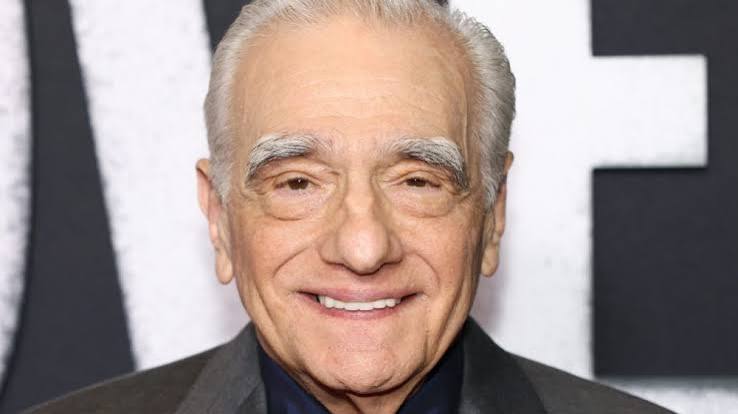
Martin Scorsese, the acclaimed filmmaker known for his deep ties to Italian cinema, has been appointed honorary president of the David di Donatello Academy, the organization behind Italy’s premier film awards. The appointment, announced recently, pairs Scorsese with the Academy’s new president, Gianluca Farinelli, and signals a renewed emphasis on film preservation and heritage.
The David di Donatello Academy, which operates under the Italian Ministry of Culture, has overseen the annual awards ceremony since 1956. The honorary presidency is a symbolic yet prestigious role, recognizing Scorsese’s lifelong dedication to cinema and his advocacy for film restoration. This move underscores Italy’s appreciation for Scorsese, who has frequently cited Italian neorealism and auteurs like Federico Fellini as major influences on his work.
A Symbolic Role with Cultural Weight
The honorary presidency of the David di Donatello Academy is not an administrative or creative position; rather, it is a mark of distinction. For Scorsese, it acknowledges his extensive contributions to film culture, particularly his efforts in preserving cinematic history. Scorsese founded The Film Foundation in 1990, a nonprofit dedicated to film restoration, and has collaborated with Italian archives on projects such as the restoration of Il Gattopardo (1963) and several Fellini films.
Gianluca Farinelli, the director of Il Cinema Ritrovato—a prestigious film festival in Bologna focused on classic and archival cinema—has been named the Academy’s president. The pairing of Scorsese and Farinelli suggests a strategic focus on film heritage, aligning with the Academy’s mission to celebrate and preserve Italy’s cinematic legacy.
A Longstanding Relationship with Italian Cinema
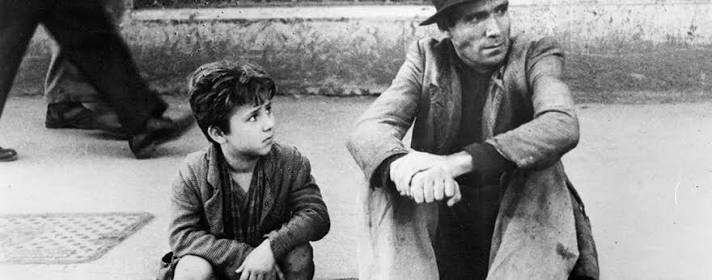
Scorsese’s connection to Italy runs deep. His grandparents emigrated from Sicily and Naples, and his films, from Mean Streets (1973) to The Irishman (2019), often explore Italian-American identity and immigrant experiences. He has been a vocal admirer of Italian neorealism and directors such as Roberto Rossellini, Vittorio De Sica, and Michelangelo Antonioni, crediting them as key influences.
Italy has honored Scorsese multiple times: he received the Golden Lion for Lifetime Achievement at the Venice Film Festival in 1995, the Premio Federico Fellini in 2004, and Italy’s Order of Merit (Cavaliere di Gran Croce) in 2019. This latest appointment further solidifies his standing as a cultural bridge between the U.S. and Italy.
Cultural Diplomacy and Prestige
The appointment carries diplomatic significance. It highlights the cultural ties between the United States and Italy, with Scorsese serving as a global ambassador for Italian cinema. By leveraging Scorsese’s international reputation, the Academy may also aim to elevate the profile of the David di Donatello Awards, often described as Italy’s equivalent of the Oscars.
Given that the Academy operates under the Italian Ministry of Culture, the appointment also has political dimensions. However, Scorsese’s work is largely apolitical, and his engagement with Italy has focused on artistic and preservation efforts rather than political statements.
A Homecoming for a Cinematic Son
For cinephiles, the honorary presidency is a heartfelt recognition of Scorsese’s lifelong devotion to cinema, especially Italian cinema. It represents a symbolic homecoming for a filmmaker whose artistic roots are deeply Italian. As Farinelli takes the helm and Scorsese joins as honorary president, the Academy appears poised to champion the preservation and celebration of film heritage in an increasingly digital age.
Martin Scorsese’s appointment as honorary president of the David di Donatello Academy is a fitting tribute to a filmmaker whose work and advocacy have consistently honored Italian cinema. It also signals a promising direction for the Academy under Gianluca Farinelli’s leadership, with a renewed emphasis on film preservation. As Scorsese once said, “Cinema is a matter of what’s in the frame and what’s out,” and this appointment places him firmly within a frame that celebrates Italy’s enduring cinematic legacy.
Summary
- Martin Scorsese has been appointed honorary president of the David di Donatello Academy, Italy’s premier film awards organization.
- The Academy operates under the Italian Ministry of Culture and has overseen the awards since 1956.
- Scorsese’s appointment pairs him with new Academy president Gianluca Farinelli, director of Il Cinema Ritrovato, signaling a focus on film preservation.
- Scorsese’s deep ties to Italian cinema, including his advocacy for restoration and his Italian-American heritage, make the honorary role a natural fit.
- The appointment underscores cultural diplomacy between the U.S. and Italy and may elevate the international prestige of the David di Donatello Awards.
FAQ
Q: What is the David di Donatello Academy?
A: It is the organization that administers Italy’s premier film awards, the David di Donatello Awards, often called Italy’s equivalent of the Oscars. It operates under the Italian Ministry of Culture.
Q: What does the honorary president do?
A: The honorary presidency is a symbolic role that recognizes an individual’s significant contributions to cinema. It does not involve administrative or creative duties.
Q: Why was Martin Scorsese chosen?
A: Scorsese was chosen for his lifelong dedication to cinema, his deep ties to Italian and Italian-American film culture, and his advocacy for film preservation through The Film Foundation.
Q: Who is Gianluca Farinelli?
A: Gianluca Farinelli is the director of Il Cinema Ritrovato, a prestigious film festival in Bologna, and has been named president of the David di Donatello Academy.
Q: How does this appointment impact the Academy?
A: The appointment signals a strategic emphasis on film preservation and heritage, and it may help raise the international profile of the David di Donatello Awards.