Imagine waking up in the middle of the night—not from a nightmare or a racing mind, but naturally, quietly, and then drifting back to sleep an hour or two later. For centuries, this was the norm. Before electric lights and 9-to-5 schedules, people across Europe and beyond slept in two distinct blocks, separated by a wakeful interval they used for prayer, conversation, or simply lying still in the dark.
This pattern, known as segmented or biphasic sleep, was so common that it had its own names: “first sleep” and “second sleep” in English, premier somme in French, erste Schlaf in German. But by the 20th century, it had all but vanished from industrial societies. Why did our ancestors sleep this way? And could understanding it change how we think about modern insomnia?
The Historical Evidence: A Night in Two Acts
References to two sleeps appear throughout medieval and early modern records. Geoffrey Chaucer’s The Canterbury Tales (late 14th century) mentions the “first sleep” in the Miller’s Tale. English physician Sir Thomas Elyot’s The Castel of Helth (1539) advised readers to sleep twice, using the middle period for digestion or contemplation. French physician Laurent Joubert’s Traité du Sommeil (1579) described the interval as a time for intimacy, prayer, or reflection.
These weren’t isolated mentions. Historian Roger Ekirch, in his 2005 book At Day’s Close: Night in Times Past, documented hundreds of references across Europe, the Americas, and parts of Asia. The wakeful interval was not a source of anxiety; it was a socially sanctioned pause. People used it to pray the Catholic vigils (Matins and Lauds), read, talk with bedfellows, have sex, or check on the fire and livestock. Church services were even timed to accommodate this natural break in the night.
The Biology: What Happens When Darkness Lasts 14 Hours
In the 1990s, psychiatrist Thomas Wehr at the National Institute of Mental Health ran a curious experiment. He asked volunteers to spend 14 hours in darkness every night for several weeks. The results were striking. Within a few weeks, participants naturally settled into a biphasic pattern: they slept about 4–5 hours, woke for 1–2 hours, then slept another 3–4 hours.
Crucially, the wakeful interval felt nothing like insomnia. Subjects described a calm, meditative state—a peaceful stillness, not the racing thoughts that plague many modern insomniacs. Wehr’s work suggests that under long-darkness conditions—which were the norm before artificial lighting—the human brain may be predisposed to split sleep into two blocks.
Why? Our circadian rhythms are not rigidly monophasic. There’s a natural dip in sleep pressure in the middle of the night, and melatonin secretion and body temperature follow a curve that aligns with a two-part sleep schedule. In other words, the two-shift night may be closer to our biological default than the single 7–9 hour block we now consider standard.
The Wakeful Interval: Not a Disorder, But a Feature
Historical accounts paint the middle-of-the-night waking as functional, even pleasant. People didn’t lie in bed wishing for sleep; they got up, did something useful or enjoyable, and then returned to bed for the “second sleep.” This was not considered pathological. It was simply how the night worked.
This has profound implications for how we view modern sleep problems. When someone wakes at 2 AM and can’t get back to sleep, they often panic. But if segmented sleep was the ancestral norm, then that 2 AM waking might be a vestige of an older pattern—not a disorder, but a natural rhythm that our artificial lighting and work schedules have suppressed.
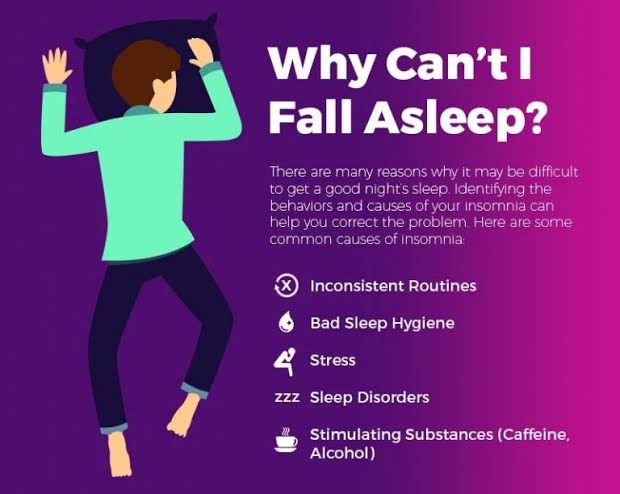
That said, sleep medicine draws a clear line. “Segmented sleep” is normal when it’s non-distressing and doesn’t impair daytime function. “Insomnia” is a disorder when the waking causes anxiety or leads to tiredness and poor performance the next day. The key difference is how you react to the waking. If you lie there feeling frustrated, that’s a problem. If you calmly read for an hour and then drift back off, that’s just your biology.
The Industrial Revolution and the Death of the Two-Shift Night
The shift to a single, consolidated sleep didn’t happen overnight. It was driven by several forces:
- Artificial lighting: Gas lamps in the 1800s and electric lights in the early 1900s extended the day. People could stay up later and didn’t need to sleep in two blocks to fill the dark hours.
- Standardized work schedules: Factory shift work and the 9-to-5 workday compressed the night into a fixed block. There was no time for a two-hour wakeful interval in the middle.
- Changing social norms: The Victorian era saw a rise in privacy and separate bedrooms for couples. The communal, intimate night-time waking became less common.
By the 20th century, the two-shift night was largely forgotten. But it didn’t disappear because it was unhealthy; it disappeared because the world changed around it.
What Segmented Sleep Means for Modern Insomnia
The idea of segmented sleep has sparked a popular reassessment of insomnia. If our ancestors naturally woke in the night, perhaps modern “middle-of-the-night insomnia” is not a malfunction but a ghost of an ancient pattern. Some researchers argue that our bodies are still adapted to a biphasic rhythm, and that the pressure to sleep 8 uninterrupted hours may be a cultural construct.
However, not everyone is convinced. Skeptics point out that historical records are biased toward literate, often wealthy adults—not a representative sample of all people. The two-shift pattern might have been a response to cold, discomfort, or overcrowding, rather than a biological default. Wehr’s experiment used extreme conditions (14 hours of darkness) that don’t match modern life. And for many people, waking in the night is genuinely distressing and disruptive.
The truth likely lies in nuance. Segmented sleep was common, but it wasn’t universal. Some people slept through the night even then. The wakeful interval was a cultural and practical response to long nights, not a universal biological imperative. But the evidence does suggest that a single, unbroken 8-hour sleep is not the only “natural” way to sleep.
Lessons for Today
What can we take from this? First, if you wake in the night and feel calm, you might be experiencing a vestige of the ancestral pattern. There’s no need to panic. Second, the history of sleep reminds us that our sleep habits are shaped by environment and culture, not just biology. The two-shift night survived for centuries because it worked. It declined because lighting and work changed.
For those who struggle with sleep, the lesson is not to force yourself into a monophasic mold. If you naturally wake after 4 hours and feel alert, embrace it. Use the time for quiet reading, meditation, or simply lying still. But if waking causes anxiety or daytime fatigue, that’s a different story—and a reason to consult a sleep specialist.
Ultimately, the two-shift night is a window into our past. It shows us that sleep is more flexible than we often assume. And it challenges the modern dogma that 8 uninterrupted hours is the only path to rest.
The two-shift night was not a quirk or a disorder; it was a way of life for centuries. As we grapple with modern sleep problems, the history of segmented sleep offers a valuable reminder: our bodies may be more adaptable than our schedules allow. The next time you find yourself awake at 2 AM, you might be closer to your ancestors than you think—and that’s not necessarily a bad thing.
Summary
- Segmented (biphasic) sleep—sleeping in two blocks with a 1–3 hour wakeful interval—was common in pre-industrial Europe, as documented in literature, medical texts, and diaries from 1200–1700 CE.
- References to “first sleep” and “second sleep” appear in Chaucer, Elyot, and Joubert, and the wakeful interval was used for prayer, reading, conversation, and sex—not considered pathological.
- Thomas Wehr’s 1990s experiment showed that under 14-hour darkness, subjects naturally adopted a biphasic pattern, experiencing calm wakefulness rather than anxiety.
- The decline of segmented sleep is linked to artificial lighting, industrial work schedules, and changing social norms around privacy, not to any health benefit of consolidated sleep.
- Modern “middle-of-the-night insomnia” may sometimes be a vestigial return to the ancestral pattern, but it’s considered a disorder only when it causes distress or daytime impairment.
FAQ
Q: What exactly is segmented sleep?
A: Segmented (or biphasic) sleep is a pattern where sleep is divided into two main blocks overnight, separated by a wakeful period of 1–3 hours. It’s different from a daytime siesta and from insomnia-related night waking.
Q: How do we know our ancestors slept this way?
A: Historical documents—including Chaucer’s Canterbury Tales, medical texts by Elyot and Joubert, and personal diaries—contain hundreds of references to “first sleep” and “second sleep.” Historian Roger Ekirch compiled extensive evidence in his book At Day’s Close.
Q: Is waking in the middle of the night a sign of insomnia?
A: Not necessarily. If you wake calmly and can fall back asleep without distress, it may be a normal variation. Insomnia is defined as waking that causes anxiety or daytime impairment. The key is how you react to the waking.
Q: Why did segmented sleep disappear?
A: The main drivers were artificial lighting (gas and electric), which made nights shorter and allowed people to stay awake later, and standardized work schedules that compressed sleep into a single block. Changing social norms, like separate bedrooms, also played a role.
Q: Should I try to adopt a two-shift sleep pattern?
A: You don’t need to force it. If you naturally wake at night and feel calm, embrace it. But if you’re sleeping well in a single block, there’s no reason to change. The takeaway is flexibility, not prescription.