Tag: injury

  • Bills Safety C.J. Gardner-Johnson Carted Off: What We Know and What It Means for Buffalo’s Rebuilt Secondary

    Tests reveal Bills safety C.J. Gardner-Johnson strained his right calf, AP sources say | AP News

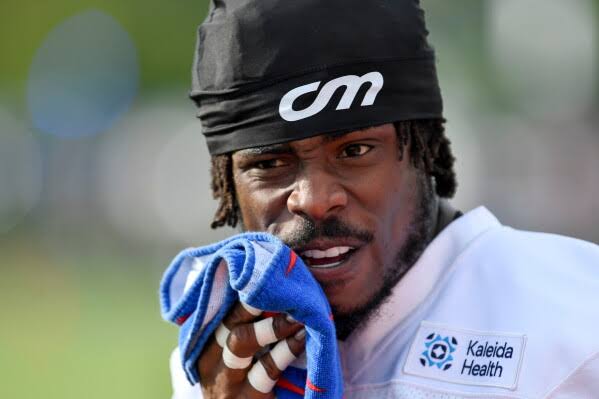
    A photo of C.J. Gardner-Johnson in a Buffalo Bills uniform, looking determined on the field.

    The Buffalo Bills’ revamped secondary hit an early scare on Saturday when veteran safety C.J. Gardner-Johnson was carted off the practice field with a lower right leg injury. The moment was enough to send a jolt through a fanbase already nervous about a defense in transition, but the reality is far more nuanced.

    Gardner-Johnson, who signed a one-year, $6.5 million ‘prove-it’ deal in March, was expected to be a cornerstone of a secondary that lost longtime starters Jordan Poyer and Micah Hyde this offseason. His versatility—able to play both safety and nickel—made him a critical piece of head coach Sean McDermott’s plans. Now, with the diagnosis still pending, the Bills must brace for a range of outcomes, from a minor setback to a season-altering blow.

    Here’s the breakdown of what happened, why it matters, and what the Bills might do next—without jumping to conclusions before the MRI results are in.

    The Incident and the Immediate Fallout

    Gardner-Johnson went down during a routine practice drill on Saturday, clutching his lower right leg before being helped onto a cart and driven off the field. The Bills have not released an official statement on the severity, and as of now, the specific diagnosis remains unknown. That hasn’t stopped speculation, but it’s important to note that ‘carted off’ doesn’t automatically mean ‘season-ending.’ Teams often err on the side of caution with players, especially during training camp when the stakes are lower and the recovery timeline is more forgiving.

    The 26-year-old safety has a history of injuries that have limited his availability in recent seasons—a lacerated kidney in 2022 with the Eagles and a torn pectoral muscle in 2023 with the Lions. But this lower leg issue is entirely new and unrelated to those previous setbacks. It could be anything from a calf strain to an Achilles injury, and the range of outcomes is vast. Until the imaging is done and the team speaks, any talk of timelines is pure guesswork.

    Why Gardner-Johnson Matters to the Bills

    The Bills’ secondary is in the middle of a significant rebuild. Poyer and Hyde, the dynamic duo that anchored the back end for years, are gone. In their place, the Bills have a mix of veterans and rookies, with Gardner-Johnson expected to be the leader of the group. His ability to line up at free safety or slide into the slot gives McDermott flexibility in coverage schemes, and his brash, vocal style brings an edge that the defense has lacked since Hyde’s departure.

    If Gardner-Johnson misses significant time, the Bills would likely turn to Taylor Rapp, who started 16 games last season, and rookie Cole Bishop, a second-round pick out of Utah. Damar Hamlin, who made an inspiring comeback last year, is also on the roster. That’s not a disastrous fallback, but it’s a downgrade in experience and playmaking ability. Gardner-Johnson has 15 career interceptions and 50 passes defended, and his presence on the field changes how opposing quarterbacks attack the middle of the field.

    The ‘Prove-It’ Deal and the Personal Stakes

    For Gardner-Johnson, this injury is more than just a football problem—it’s a financial one. He signed a one-year deal worth up to $8 million with incentives, a classic ‘prove-it’ contract designed to rebuild his market value after a disappointing 2023 season in Detroit. A serious injury would not only cost him games but also jeopardize his chance at a long-term deal in 2025 free agency. At 26, he’s still young enough to command a significant contract, but only if he can stay on the field.

    This context adds a layer of personal urgency to his recovery. Gardner-Johnson is known for his high-energy, sometimes polarizing personality, but his teammates and coaches have praised his work ethic and leadership. His absence, even short-term, would be felt in practice as much as in games.

    What the Bills Might Do Next

    The Bills have a few options depending on the severity of the injury. If it’s minor, they can simply wait and let him heal, with Rapp and Bishop holding down the fort in the meantime. If it’s more serious, they might look to the free agent market. Safety Justin Simmons, a two-time Pro Bowler, is still unsigned and would be an obvious fit. The Bills could also explore trades, though that would be a more drastic move this early in the season.

    Another angle: the Bills’ first preseason game is August 10 against the Bears, and the regular season opener is September 8 against the Cardinals. That gives them roughly six weeks to sort things out. Training camp injuries are common, and teams often have to adapt on the fly. The Bills’ front office, led by general manager Brandon Beane, has been proactive in addressing depth, so they’re not caught completely off guard.

    The Bigger Picture: A Defense in Transition

    The Bills are in a transition year on defense, with new faces across the secondary and a new defensive coordinator in Bobby Babich. The loss of Poyer and Hyde was already a major storyline, and Gardner-Johnson was supposed to be the stabilizing force. His injury amplifies the narrative that the Bills’ window might be closing, especially with the AFC East getting more competitive and the Chiefs still looming in the AFC.

    But it’s too early for doom-and-gloom. The Bills still have a strong roster, led by Josh Allen on offense, and the defense has young talent that could step up. The key is not to overreact to a single practice injury. As McDermott often says, ‘Next man up.’ The team has time to adjust, and the regular season is still weeks away.

    What to Watch For

    The most important thing now is the official diagnosis. Once the Bills release the MRI results, we’ll know whether this is a short-term issue or a season-ender. Until then, fans and analysts should resist the urge to speculate. The fact that he was carted off is concerning, but it’s not definitive. Many players have been carted off with what turned out to be minor injuries.

    For Gardner-Johnson, the road ahead is uncertain, but he’s faced adversity before. He’s bounced back from injuries and doubters throughout his career. If anyone can turn this into a comeback story, it’s him. The Bills, meanwhile, will do what they always do: adapt, prepare, and move forward.

    The Bills and their fans are holding their breath, but the situation is far from hopeless. Gardner-Johnson’s injury is a setback, but not necessarily a disaster. With a deep safety room and time before the season starts, Buffalo has options. The next few days will be crucial, but for now, the focus should be on the player’s health and a full recovery—whatever that timeline looks like.

    Summary

    • C.J. Gardner-Johnson was carted off the practice field with a lower right leg injury on Saturday; no official diagnosis yet.
    • The Bills are in a secondary rebuild after losing Poyer and Hyde, making Gardner-Johnson’s role critical.
    • His one-year ‘prove-it’ deal adds personal stakes to his recovery.
    • The Bills have depth with Taylor Rapp, Damar Hamlin, and rookie Cole Bishop, plus free agent options like Justin Simmons.
    • ‘Carted off’ doesn’t mean season-ending; wait for MRI results before speculating.

    FAQ

    Q: What exactly happened to C.J. Gardner-Johnson?
    A: He injured his lower right leg during a Bills practice on Saturday and was carted off the field. The team has not released a specific diagnosis or severity yet.

    Q: Is this injury related to his past injuries?
    A: No. His previous injuries were a lacerated kidney (2022) and a torn pectoral muscle (2023). This is a lower leg issue, which is unrelated.

    Q: Who will replace Gardner-Johnson if he misses time?
    A: The Bills have Taylor Rapp, Damar Hamlin, and rookie Cole Bishop. They could also sign a free agent like Justin Simmons if the injury is serious.

    Q: When will we know more about the injury?
    A: The Bills are expected to provide an update after imaging (MRI) is completed. Typically, teams announce within a few days.

    Q: Does being carted off mean the injury is season-ending?
    A: Not necessarily. Many players are carted off as a precaution and return within weeks. The severity depends on the specific diagnosis, which hasn’t been announced.
  • Chiefs Rookie WR Cyrus Allen Carted Off: What It Means for the Super Bowl Champs’ Receiver Room

    Chiefs Rookie WR Cyrus Allen Carted Off After Training Camp Injury

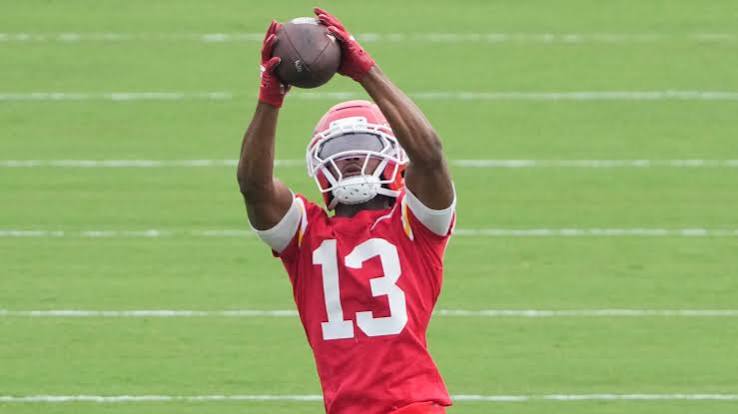
    A wide receiver in a Chiefs practice jersey being helped off the field by trainers, with a cart nearby.

    The Kansas City Chiefs’ training camp took a somber turn on Saturday when rookie wide receiver Cyrus Allen was carted off the practice field with an apparent leg injury. The collision during drills sent a ripple through a fanbase that knows all too well how quickly a Super Bowl run can be complicated by an injury to a skill player. For Allen, a promising undrafted free agent from Louisiana Tech, the moment was a stark reminder of how fragile an NFL dream can be.

    While the team has yet to release an official diagnosis, the sight of a cart on the practice field is always unsettling. For the Chiefs, who are chasing a third consecutive Super Bowl title, the injury raises immediate questions about depth at a position where competition is already fierce. But as any seasoned observer knows, ‘carted off’ doesn’t always mean ‘season over.’ The next few days will be critical for Allen and the team’s roster calculus.

    The Incident: A Collision That Stopped Practice

    Saturday’s practice at Missouri Western State University in St. Joseph, Missouri, was underway when Allen went down after colliding with a teammate. The rookie receiver remained on the ground as trainers rushed over, and within minutes, the cart was brought out. Players from both sides of the ball gathered around, a sign of the camaraderie and concern that defines training camp. Allen was taken to the facility for further evaluation, but no official word on the nature or severity of the injury has been released.

    For a player like Allen, every rep in camp is a chance to prove he belongs. The Chiefs’ wide receiver room is headlined by Rashee Rice, Xavier Worthy, Marquise ‘Hollywood’ Brown, and Justin Watson, but there are always spots for a rookie who can contribute on special teams or show flashes in the passing game. Allen had been doing exactly that, reportedly turning heads with his route running and hands, earning reps with the second team and occasionally getting a look with the starters. Now, those reps are on hold.

    The Roster Reality: A Crowded Receiver Room

    The Chiefs have historically kept five or six wide receivers on the active roster, and the competition for those spots is intense. Rice is the established No. 1, Worthy is the speedster coming off a strong rookie year, Brown is the veteran free-agent addition, and Watson provides reliable depth. Beyond that, the likes of Justin Ross, Nikko Remigio, and others are fighting for a roster spot or a place on the practice squad.

    Allen’s injury doesn’t just affect his own chances; it shifts the calculus for the entire position group. If he’s out for an extended period, the Chiefs may need to look at free-agent options or waiver claims to ensure they have enough bodies for preseason games and the early part of the regular season. The team has been here before—last year, injuries to Rice and Brown tested their depth, and they managed to navigate it. But every injury to a promising young player is a reminder that the margin for error is thin.

    What ‘Carted Off’ Really Means

    It’s easy to panic when you see a player being carted off, but the reality is that teams often err on the side of caution. A player with a cramp or a minor sprain might get a cart ride to the locker room just to keep weight off the leg. The Chiefs have been notoriously tight-lipped about injuries under Andy Reid, and they won’t provide specifics until they have a full picture. That means fans and media alike are left to speculate, but the range of possibilities is wide: from a minor strain that sidelines Allen for a week to a season-ending tear that would put him on injured reserve.

    For a rookie, even a short absence can be costly. Missed practices mean missed opportunities to build chemistry with Patrick Mahomes and the coaching staff. If the injury is serious, Allen faces a long road to recovery, and his roster spot could be in jeopardy. The Chiefs could place him on injured reserve, which would end his season, or they might reach an injury settlement and release him, allowing him to sign elsewhere once healthy. Neither outcome is ideal for a player who was just starting to make his mark.

    The Bigger Picture: Chiefs’ Super Bowl Aspirations

    The Chiefs are the defending Super Bowl champions, and their goal is clear: a third consecutive title. Every decision made in training camp is with that goal in mind. Injuries to key players can derail a season, but the Chiefs have built a roster with depth and flexibility. The receiver room is a prime example—they have a mix of proven veterans and young talent, and they’ve shown they can adapt.

    Still, the loss of a promising rookie like Allen is a blow, even if it’s not a catastrophic one. It reduces the competition that makes everyone better, and it forces the front office to consider whether they need to add another body. The waiver wire and free-agent market are always options, but the Chiefs have historically been selective about who they bring in. They trust their coaching staff to develop the players they have, and they believe in their system.

    For Allen, the next few days will be filled with uncertainty. He’ll undergo further tests, meet with doctors, and wait for a diagnosis. His teammates will rally around him, and the coaching staff will offer support, but ultimately, the injury is his to overcome. Whether he’s back on the field in a week or facing a long rehab, his journey is a reminder of the physical toll of professional football and the resilience required to make it in the NFL.

    What to Watch For

    In the coming days, the Chiefs will likely provide an update on Allen’s condition, either through Andy Reid’s press conference or an official injury report. Beat reporters like Nate Taylor of The Athletic and Adam Teicher of ESPN will be on the lookout for any details. Until then, the speculation will continue, but it’s important to remember that ‘carted off’ is not a diagnosis. It’s a precaution. For now, all we can do is wait, hope for the best, and recognize that in the NFL, injuries are an unfortunate part of the game.

    Cyrus Allen’s injury is a sobering moment in an otherwise optimistic training camp for the Chiefs. It’s a reminder that every player, from the stars to the rookies fighting for a roster spot, is one play away from a setback. For Allen, the road ahead is uncertain, but his determination and the support of his team will be crucial. For the Chiefs, the show must go on, and they’ll adjust as needed. As fans, we can only hope for a speedy recovery and a return to the field for a player who was just beginning to chase his dream.

    Summary

    • Chiefs rookie WR Cyrus Allen was carted off the practice field on Saturday with an apparent leg injury after a collision with a teammate.
    • The injury occurred during training camp at Missouri Western State University; no official diagnosis has been released.
    • Allen, an undrafted free agent from Louisiana Tech, was having a strong camp and competing for a depth spot in a crowded receiver room.
    • ‘Carted off’ doesn’t necessarily mean season-ending; the team may be taking precautions.
    • The Chiefs will monitor the situation and may need to adjust their roster plans if Allen is out for an extended period.

    FAQ

    Q: What happened to Cyrus Allen?
    A: Cyrus Allen, a rookie wide receiver for the Kansas City Chiefs, was carted off the practice field on Saturday after colliding with a teammate during drills. He suffered an apparent leg injury, but the team has not disclosed the specific diagnosis.

    Q: Is the injury season-ending?
    A: It’s too early to tell. ‘Carted off’ is often a precautionary measure, and the injury could range from a minor strain to something more serious. The Chiefs will provide an update once they have more information.

    Q: What is Cyrus Allen’s background?
    A: Allen played college football at Louisiana Tech, where he was a productive receiver. He signed with the Chiefs as an undrafted free agent and was impressing coaches with his play in training camp.

    Q: How does this affect the Chiefs’ receiver depth?
    A: The Chiefs have a solid group of receivers led by Rashee Rice, Xavier Worthy, Marquise Brown, and Justin Watson. Allen was competing for a depth role, so his injury could impact the team’s roster decisions, but it’s not a major blow to their starting lineup.

    Q: When will we know more about the injury?
    A: The Chiefs typically provide updates through head coach Andy Reid’s press conferences or official injury reports. Beat reporters will be monitoring the situation, and an update could come within the next few days.

  • 49ers’ Ricky Pearsall to Miss 2026 Season: A Cruel Twist in a Promising Career

    This Doesn't Look Good' — 49ers Insider Shares Devastating News That Ricky Pearsall Could 'Miss the Season' - Yahoo Sports

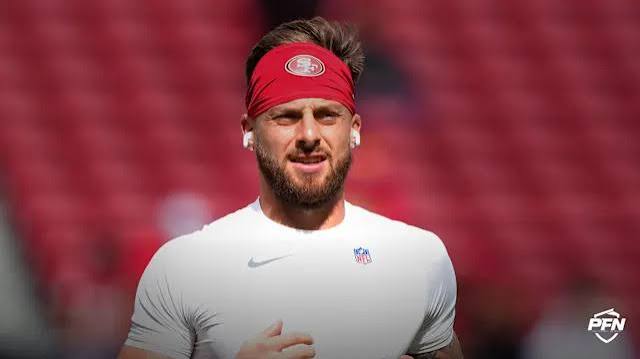
    A somber photo of San Francisco 49ers wide receiver Ricky Pearsall sitting on the sidelines in street clothes, looking dejected, with the team’s stadium in the background.

    Just when it seemed Ricky Pearsall’s story was turning a corner, fate delivered another gut punch. The San Francisco 49ers’ first-round wide receiver will miss the entire 2026 NFL season after undergoing surgery on his right knee, as confirmed by General Manager John Lynch on Saturday. For a player who already overcame a gunshot wound in 2024, this news lands with a heavy thud—not just for Pearsall, but for a 49ers offense that has been decimated by injuries and roster turnover.

    The timing couldn’t be worse. Pearsall was poised to step into a primary role following the departures of Deebo Samuel and Brandon Aiyuk, with expectations of a breakout campaign alongside quarterback Brock Purdy. Instead, the 49ers must now recalibrate their entire receiving corps, while Pearsall faces a long road to recovery—and a future clouded by uncertainty. This isn’t just a setback; it’s a seismic shift for a team already navigating a treacherous NFC West.

    The Injury and Its Immediate Impact

    John Lynch’s confirmation on Saturday sent shockwaves through the 49ers’ fanbase, but the specifics remain frustratingly vague. The team has not disclosed the exact nature of the knee injury—whether it’s an ACL tear, meniscus damage, or a patellar issue—nor the precise timeline for recovery. What is clear: Pearsall will not play a single snap in 2026, and the 49ers will likely place him on injured reserve with a season-ending designation.

    For a player who appeared in all 17 games in 2025, recording 51 receptions for 620 yards and four touchdowns, this is a devastating blow. Pearsall had finally established himself as a reliable target after a rookie year marred by the shooting incident that cost him valuable development time. Now, just as he was entering his prime at age 25, his momentum has been halted—again.

    A Career Marked by Adversity

    Pearsall’s NFL journey has been anything but ordinary. Selected 31st overall in the 2024 draft out of Florida, he arrived in San Francisco with high expectations. But in September 2024, he was shot in the chest during an attempted robbery—a bullet grazing his chest—an ordeal that sidelined him for the first few games of his rookie season. He returned to play 12 games, finishing with 28 receptions, 400 yards, and three touchdowns.

    His 2025 season was a step forward, showcasing the route-running and hands that made him a first-round pick. But now, this knee injury threatens to define his narrative as one of what-ifs. The 49ers’ decision on his fifth-year option, due after the 2027 season, will now be complicated. A lost season at age 25 isn’t catastrophic, but it raises questions about his durability and long-term ceiling.

    The 49ers’ Receiving Corps in Flux

    The timing of Pearsall’s injury is particularly brutal for the 49ers’ offense. The team has already undergone significant turnover at wide receiver: Deebo Samuel was traded to Washington in 2025, and Brandon Aiyuk’s departure—whether via release or trade—has left a void. Pearsall was expected to be the No. 1 option, with Jauan Jennings and George Kittle as complementary pieces. Now, the 49ers must scramble.

    Internally, the depth chart is thin. Jennings, a reliable but not explosive option, becomes the de facto top receiver. Kittle remains a safety valve, but he’s not a true outside threat. The 49ers will likely explore free agency or trades, but the market in 2026 is uncertain. Names like Tyler Lockett or Odell Beckham Jr. could surface, but neither is a long-term solution. The front office, led by Lynch, must now decide whether to patch the hole with a veteran or trust unproven young players.

    The Injury Curse Narrative

    This injury adds to a growing narrative that the 49ers are cursed when it comes to player health. Over the past several seasons, the team has ranked among the league leaders in injuries, with key players missing significant time. From Nick Bosa’s ACL tear in 2020 to Trey Lance’s ankle injury in 2022, the list is long. Pearsall’s knee issue—occurring during offseason workouts or training camp—raises questions about the team’s training and medical staff. Is it bad luck, or is there a systemic problem?

    While correlation isn’t causation, the pattern is hard to ignore. The 49ers’ aggressive practice schedules and physical style of play may contribute to the toll. For a team with Super Bowl aspirations, losing a key piece before the season even starts is a familiar, frustrating refrain.

    Cap and Roster Strategy

    From a salary cap perspective, Pearsall’s injury has minimal impact. As a first-round pick on a rookie contract, his 2026 cap hit is modest—likely around $3-4 million. Placing him on IR frees up a roster spot but doesn’t provide significant relief. The real question is how the 49ers will replace his production. They have options: sign a free agent, swing a trade, or promote from within. Given Lynch’s history of aggressive moves, a trade isn’t out of the question, but the asking price for a proven receiver in 2026 could be steep.

    Pearsall’s Road to Recovery

    The recovery timeline depends entirely on the surgical procedure. If it’s an ACL tear, expect a 9-12 month recovery, meaning Pearsall could be ready for training camp in 2027. Meniscus or cartilage damage might have a shorter timeline, but the team’s decision to rule him out for the entire season suggests a more significant injury. The 49ers will be cautious, prioritizing his long-term health over a rushed return.

    For Pearsall, the mental toll is just as significant as the physical. He’s faced adversity before and emerged stronger, but this is a different kind of challenge—a quiet, grinding rehabilitation with no guarantee of returning to his previous form. His age (25) works in his favor, as does his work ethic, but the NFL is unforgiving. History is full of receivers who never fully recovered from knee injuries.

    The Bigger Picture

    This injury doesn’t just affect the 49ers’ 2026 season; it has ripple effects for the franchise’s future. With Purdy’s contract status looming, the team needs to surround him with weapons. Losing Pearsall for a year could impact Purdy’s development and the team’s ability to evaluate him. It also puts more pressure on the 2026 draft class and any free-agent signings to contribute immediately.

    For fans, this is another chapter in the 49ers’ recent history of heartbreak. The team has been close to a Super Bowl multiple times but has been undone by injuries at the worst moments. Pearsall’s absence is a reminder that in the NFL, success is fragile, and one play can change everything.

    Ricky Pearsall’s lost 2026 season is a cruel twist for a player who has already overcome so much. For the 49ers, it’s a test of their depth and resilience—a chance to prove they can weather the storm. But for Pearsall, the road ahead is long and uncertain. His career is far from over, but this injury will define his trajectory. The 49ers and their fans can only hope that this is another chapter in a comeback story, not the beginning of the end.

    Summary

    • Ricky Pearsall will miss the entire 2026 NFL season due to a right knee injury requiring surgery, confirmed by GM John Lynch.
    • The injury strikes just as Pearsall was expected to become the 49ers’ top receiver after the departures of Deebo Samuel and Brandon Aiyuk.
    • Pearsall’s career has been marked by adversity, including a gunshot wound in 2024, making this setback particularly cruel.
    • The 49ers must now rely on Jauan Jennings and George Kittle, with potential free-agent or trade additions to fill the void.
    • The injury raises questions about the 49ers’ injury woes and Pearsall’s long-term future, including his fifth-year option decision.

    FAQ

    Q: What is the exact nature of Ricky Pearsall’s knee injury?
    A: The 49ers have not disclosed the specific diagnosis, but it requires surgery and will sideline him for the entire 2026 season. It could be an ACL tear, meniscus damage, or another structural issue.

    Q: How does this affect the 49ers’ salary cap?
    A: Minimal impact. Pearsall is on a rookie contract, so his 2026 cap hit is modest. Placing him on IR frees a roster spot but doesn’t provide significant cap relief.

    Q: Who will replace Pearsall in the 49ers’ offense?
    A: Jauan Jennings and George Kittle will see increased targets, but the team may sign a veteran free agent or make a trade to bolster the receiving corps.

    Q: When could Pearsall return to play?
    A: Depending on the surgery, recovery could take 9-12 months for an ACL tear, potentially clearing him for training camp in 2027. The team will prioritize his long-term health.

    Q: Does this injury affect the 49ers’ decision on Pearsall’s fifth-year option?
    A: Yes, the decision, due after the 2027 season, will be complicated by the lost year. The team will need to weigh his potential against his injury history.