Tag: immune system

  • The Hidden Heroes of Your Immune System: How Gut Microbes Keep You Healthy

    The Hidden Heroes of Your Immune System: How Gut Microbes Keep You Healthy

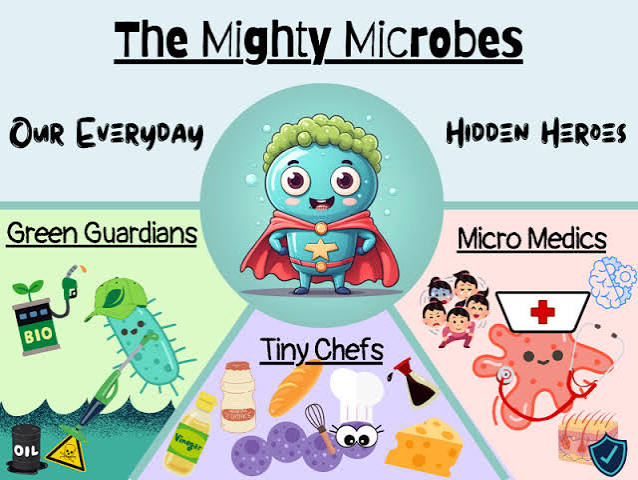
    Inside your gut, a teeming metropolis of bacteria, viruses, and fungi works around the clock. They are not invaders; they are partners. About 70-80% of your immune cells live in your gut, and these microbes train them to fight real threats while tolerating the harmless stuff like food. This relationship is so crucial that scientists now call the gut microbiome a ‘forgotten organ.’

    Your Gut: A Microbial Frontier

    Your large intestine is home to trillions of microorganisms — bacteria, viruses, fungi, and archaea. This collection, called the gut microbiome, contains about 1,000 known species of bacteria. Most belong to two major groups, Firmicutes and Bacteroidetes, which together make up about 90% of the population. Each person’s microbial fingerprint is unique, shaped by how you were born, what you eat, where you live, and the antibiotics you’ve taken.

    These microbes aren’t just passengers. They form a vital barrier along your gut lining, which is a single layer of cells — the largest surface your body exposes to the outside world, covering roughly 30-40 square meters. This is where your immune system meets the world, and it’s where your microbes play a critical role.

    The Immune Training Ground

    Imagine your immune system as a security force. It needs to know who to let in and who to keep out. Your gut microbes are the trainers. They constantly interact with your immune cells, teaching them to distinguish between harmful pathogens and harmless food particles or your own tissues.

    One key way they do this is through short-chain fatty acids (SCFAs). When you eat dietary fiber, your gut microbes ferment it into butyrate, acetate, and propionate. Butyrate is the primary fuel for the cells lining your colon. It also helps regulate T-regulatory cells, which are immune cells that calm down inflammation. This is how your gut microbes keep your immune system from overreacting to things like food or your own body.

    Another mechanism involves microbial-associated molecular patterns (MAMPs). These are specific molecules on bacteria that pattern recognition receptors on your immune cells recognize. This interaction calibrates your immune response — deciding when to attack and when to stand down.

    When the Balance Tips: Dysbiosis

    When your gut microbiome becomes imbalanced — a state called dysbiosis — problems can arise. This is linked to conditions like inflammatory bowel disease, type 2 diabetes, obesity, allergies, and even autoimmune diseases like rheumatoid arthritis and multiple sclerosis. Observational studies also connect dysbiosis with depression and anxiety, though cause-and-effect is still being untangled.

    One of the clearest examples of the microbiome’s power is fecal microbiota transplantation (FMT). For people with recurrent Clostridioides difficile infections, FMT — transferring stool from a healthy donor — has a cure rate of about 90%. This is the strongest evidence we have that the microbiome directly influences health.

    The Gut-Brain Axis: A Two-Way Street

    The gut and brain are in constant conversation. The vagus nerve, a major nerve running from your brain to your abdomen, is one route. Your gut microbes also produce metabolites that can affect brain function. For instance, some microbes produce serotonin precursors. This gut-brain axis is now a hot research area, especially for conditions like Parkinson’s disease, where abnormal protein clumps may start in the gut and spread to the brain.

    Probiotics and Prebiotics: What Actually Works?

    You’ve likely seen probiotics — live beneficial bacteria like Lactobacillus and Bifidobacterium — in yogurt or supplements. Prebiotics are non-digestible fibers that feed these good bacteria. Both have evidence for specific strains and conditions, but they are not universal cure-alls. For example, probiotics can help with antibiotic-associated diarrhea or irritable bowel syndrome in some people, but they often fail to permanently colonize the gut.

    A more reliable way to support your microbiome is to eat a diverse, plant-rich diet. The Mediterranean diet and traditional Japanese diets are linked to higher microbial diversity. On the flip side, ultra-processed foods and some artificial sweeteners may reduce diversity. The bottom line: feed your microbes well, and they’ll take care of you.

    Your gut microbiome is not just a passive collection of bugs; it’s an active organ that shapes your immune responses, your metabolism, and even your mood. While scientists are still unraveling the complexities, one thing is clear: a diverse microbiome is a healthy microbiome. So, eat your fiber, consider fermented foods, and treat your gut microbes like the hidden heroes they are.

    Summary

    • 70-80% of your immune cells reside in your gut, where microbes train them to fight real threats and tolerate harmless ones.
    • Short-chain fatty acids like butyrate, produced from fiber, fuel colon cells and regulate inflammation.
    • Dysbiosis, or microbial imbalance, is linked to many conditions, from IBD to depression.
    • Fecal microbiota transplantation shows a 90% cure rate for recurrent C. diff infections, proving the microbiome’s causal role.
    • A plant-rich diet with fiber supports microbial diversity, while ultra-processed foods may harm it.

    FAQ

    Q: What is the gut microbiome?
    A: It’s the collection of trillions of microorganisms living in your large intestine, including bacteria, viruses, fungi, and archaea. They play a crucial role in digestion, immunity, and overall health.

    Q: How does the gut microbiome affect the immune system?
    A: Gut microbes interact with immune cells in the gut-associated lymphoid tissue, training them to distinguish between harmful pathogens and harmless substances. They produce short-chain fatty acids that regulate inflammation and help maintain a balanced immune response.

    Q: What is dysbiosis?
    A: Dysbiosis is an imbalance in the gut microbiome, where harmful microbes may outnumber beneficial ones. It’s associated with various diseases, but it’s not always clear if it’s a cause or a consequence.

    Q: Are probiotics beneficial?
    A: Probiotics can be helpful for specific conditions, like antibiotic-associated diarrhea, but they are not a one-size-fits-all solution. Their effects are strain-specific and may not persist long-term. It’s better to focus on a diverse diet.

    Q: How can I improve my gut health?
    A: Eat a diet rich in fiber from fruits, vegetables, legumes, and whole grains. Include fermented foods like yogurt, kefir, and sauerkraut. Limit ultra-processed foods and unnecessary antibiotics.

  • Why Your Gut Microbiome Is the Hidden Boss of Your Immune System

    Why Your Gut Microbiome Is the Hidden Boss of Your Immune System

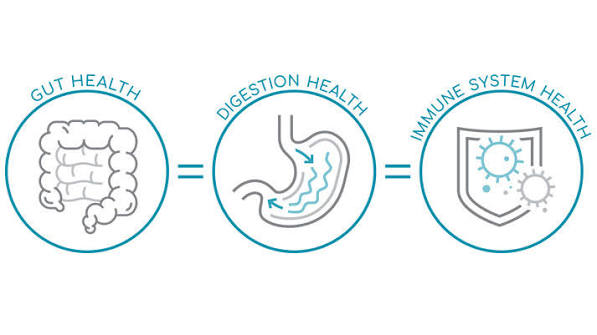
    Imagine a bustling city of trillions of tiny residents living inside your colon. They outnumber your own cells, hold 150 times more genes than your entire genome, and most surprisingly they act as a training ground for your immune system. This is your gut microbiome, and it’s not just a passive passenger; it’s a hidden boss that influences how your body fights off illness, from the common cold to chronic conditions like allergies and autoimmune diseases.

    For decades, we thought of the immune system as a standalone army, ready to attack any invader. But research has flipped that idea: about 70–80% of your immune cells reside in your gut, and they’re constantly talking to the microbes that live there. In this article, we’ll break down how this microscopic community runs the show, what happens when things go wrong, and what you can do to keep your microbial boss happy.

    Meet Your Microbial Inhabitants

    Your gut is home to roughly 100 trillion microorganisms bacteria, viruses, fungi, and archaea mostly in your large intestine. In a healthy adult, you’ll find 500 to 1,000 different species, with two major groups dominating: Firmicutes and Bacteroidetes, which together make up about 90% of the population. These microbes aren’t just freeloaders; they help digest food, produce vitamins, and most critically train your immune system.

    The collective genetic material of these microbes, called the metagenome, contains about 150 times more genes than your human genome. That’s a lot of extra instruction manuals, and your body uses them to fine-tune its defenses.

    The Gut-Immune Connection: How the Boss Works

    Barrier Integrity: The First Line of Defense

    Your intestinal lining is a single layer of cells that separates your insides from the outside world. Gut microbes help maintain this barrier, ensuring that harmful pathogens and toxins can’t slip through into your bloodstream. When this barrier breaks down—a condition often called ‘leaky gut’—the immune system goes on high alert, potentially leading to chronic inflammation.

    Immune Cell Education: Teaching Friend from Foe

    Deep within your gut, in areas called gut-associated lymphoid tissue (GALT), your immune cells learn their job. The microbiome acts as a teacher, showing T-cells and B-cells which bacteria are harmless and which are dangerous. This training is crucial; without it, your immune system might attack harmless food particles or your own tissues, leading to allergies or autoimmune diseases.

    Short-Chain Fatty Acids: The Chemical Messengers

    When gut bacteria ferment dietary fiber, they produce short-chain fatty acids (SCFAs), including butyrate, propionate, and acetate. Butyrate is particularly important: it regulates regulatory T-cells (Tregs), which are like the peacekeepers of the immune system, calming down excessive inflammation. Think of SCFAs as the boss’s email updates, keeping your immune cells informed and balanced.

    Microbial Signals: The Molecular Whispers

    Bacteria have unique molecular patterns on their surfaces, called microbe-associated molecular patterns (MAMPs). Your immune cells recognize these via pattern recognition receptors (like TLRs and NLRs), which trigger inflammatory responses when needed. This constant communication ensures your immune system is ready to fight real threats but doesn’t overreact to harmless ones.

    The Gut-Brain Axis: A Direct Line to the Boss

    The vagus nerve connects your gut to your brain, and microbial metabolites, like serotonin precursors, travel along this pathway. This gut-brain axis means your gut microbiome doesn’t just affect your immune system—it also influences your mood, stress levels, and even neurological function. So when your gut is happy, your brain and immune system feel it too.

    The Numbers: Why Your Gut Matters

    • 70–80% of your immune cells live in your gut-associated lymphoid tissue.
    • Antibiotic use can slash microbial diversity by 30–50% within days, and recovery is often incomplete.
    • Fecal microbiota transplantation (FMT) has a success rate of over 80% for recurrent Clostridioides difficile infection, a potentially deadly gut infection. This is the strongest proof that restoring a healthy microbiome can treat disease.

    When the Boss Goes Rogue: Microbiome Disruption and Disease

    Modern life is tough on your gut microbiome. Western diets high in fat and low in fiber, overuse of antibiotics, and even C-section births can reduce microbial diversity. This disruption is linked to a rise in chronic inflammatory diseases—allergies, autoimmune conditions, inflammatory bowel disease (IBD), and metabolic syndrome. The ‘hygiene hypothesis’ and its follow-up, the ‘old friends’ hypothesis, suggest that our immune systems evolved to expect a diverse microbial community, and when we don’t provide it, they misfire.

    Research shows strong correlations between microbiome composition and immune outcomes. For example, specific gut bacteria are associated with how patients respond to cancer immunotherapy (checkpoint inhibitors). But it’s crucial to note: most human studies show correlation, not causation. Much of the causal evidence comes from germ-free mouse experiments, which don’t perfectly mimic human physiology.

    Practical Steps: How to Keep Your Microbial Boss Happy

    You can’t change your genetics, but you can influence your gut microbiome. Here are evidence-based strategies:

    • Eat more fiber: Fiber is the fuel for SCFA-producing bacteria. Aim for a diverse range of plant foods—fruits, vegetables, legumes, whole grains.
    • Include fermented foods: Yogurt, kefir, sauerkraut, and kimchi introduce beneficial bacteria (probiotics). However, strain-specific effects are modest, so don’t expect miracles.
    • Consider prebiotics: These are non-digestible fibers that feed good bacteria. Examples include garlic, onions, and bananas.
    • Use antibiotics wisely: Only take them when necessary, as they can damage your microbial diversity.
    • Be skeptical of over-the-counter microbiome tests: Many lack clinical validation. Focus on general lifestyle changes instead.

    The Future: Personalized Microbiome Medicine

    We’re not yet at the point of personalized microbiome therapies, but the field is moving fast. Advances in sequencing and metabolomics are shifting research from ‘who’s there’ to ‘what are they doing.’ In the future, doctors might use your microbiome profile to tailor treatments for IBD, allergies, or even cancer. But until then, a balanced diet and mindful antibiotic use are your best bets.

    Your gut microbiome isn’t just a passive resident; it’s a dynamic force that shapes your immune system’s every move. By understanding this hidden boss, you can make informed choices to support it. The science is clear: a diverse, fiber-fed microbiome is key to a resilient immune system. So next time you plan a meal, think of your microbial residents—they’re working hard to keep you healthy.

    Summary

    • Your gut is home to 100 trillion microbes, with 70–80% of your immune cells residing there.
    • Gut microbes maintain the intestinal barrier, train immune cells, and produce short-chain fatty acids that regulate inflammation.
    • Antibiotic use can cut microbial diversity by 30–50%, and a disrupted microbiome is linked to chronic inflammatory diseases.
    • A diet rich in fiber and fermented foods supports a healthy microbiome; FMT is a highly effective treatment for C. diff infection.
    • Research is moving from correlational studies to functional, metabolomic analysis, paving the way for personalized therapies.

    FAQ

    Q: What is the gut microbiome exactly?
    A: The gut microbiome is the collection of trillions of microorganisms—bacteria, viruses, fungi, and archaea—living in your large intestine. They outnumber your cells and contain 150 times more genes than your genome, playing a vital role in digestion, immunity, and even brain function.

    Q: How does the gut microbiome affect immunity?
    A: It maintains the intestinal barrier to keep pathogens out, trains immune cells in the gut to distinguish friend from foe, and produces short-chain fatty acids like butyrate that regulate inflammation. Essentially, it acts as a teacher and modulator for your immune system.

    Q: Can I change my gut microbiome?
    A: Yes, through diet and lifestyle. Eating a variety of fiber-rich plants, consuming fermented foods, and avoiding unnecessary antibiotics can increase microbial diversity and support a healthy gut. Probiotics and prebiotics can help, but effects are modest and strain-specific.

    Q: Are commercial microbiome tests worth it?
    A: Most at-home tests lack clinical validation and can’t tell you much beyond broad trends. They might offer insights into your microbial composition, but they don’t provide medically actionable information. Focus on general healthy habits instead of chasing specific numbers.

    Q: What is fecal microbiota transplantation (FMT)?
    A: FMT is a procedure where stool from a healthy donor is transplanted into a patient’s gut to restore a balanced microbiome. It has a success rate of over 80% for recurrent Clostridioides difficile infection and is the strongest evidence that restoring the microbiome can cure disease.

  • 7 Science-Backed Hacks to Boost Your Immune System

    7 Science-Backed Hacks to Boost Your Immune System

    If you’ve ever searched for ways to “boost your immune system,” you’ve probably seen endless ads for supplements, special teas, and mysterious superfoods. But here’s what immunologists actually mean when they talk about immune health: your immune system is a complex network of cells, tissues, and organs that works best when it’s balanced, not hyperactive. Overstimulating it can lead to autoimmune problems, so the goal is to support optimal function.

    The good news? The most powerful tools for immune support aren’t in a pill bottle—they’re everyday habits backed by solid research. From sleep to stress management, here are seven science-backed strategies that can help your immune system do its job effectively.

    1. Prioritize Sleep: The Non-Negotiable Reset

    Your immune system works hard while you snooze. Studies show that even one night of less than six hours of sleep can reduce the activity of T-cells, which are crucial for fighting infections, and increase inflammation markers like IL-6 and TNF-α. Adults need 7–9 hours per night to keep immune defenses sharp. Think of sleep as your body’s maintenance shift—skipping it leaves your immune system running on fumes.

    2. Move Your Body, But Don’t Overdo It

    Moderate exercise—about 150 minutes per week of brisk walking, cycling, or swimming—boosts immune surveillance and lowers your risk of upper respiratory infections. But here’s the twist: intense, prolonged workouts without adequate recovery can temporarily suppress immunity. So aim for consistency over intensity. A daily 30-minute walk is better than a marathon once a month.

    3. Eat Like Your Immune Cells Depend on It

    A Mediterranean-style diet rich in fruits, vegetables, whole grains, lean protein, and healthy fats provides the key micronutrients your immune system craves: Vitamin C, Vitamin D, Zinc, Selenium, Iron, and protein. These nutrients help produce and regulate immune cells. Instead of popping supplements, focus on a colorful plate—think berries, leafy greens, nuts, fish, and legumes. Food first, supplements only if you’re deficient.

    4. Manage Stress: Cortisol Is an Immune Suppressant

    Chronic stress elevates cortisol, a hormone that can dampen immune function. Mindfulness, meditation, and even regular social connection have measurable benefits. One study found that people who meditated for eight weeks had stronger antibody responses to a flu vaccine. So take a deep breath—your immune system will thank you.

    5. Stay Hydrated for Mucosal Defense

    Your mucous membranes—the linings of your nose, mouth, and lungs—are the first physical barrier against pathogens. When they’re dry, they’re less effective. Adequate fluid intake keeps these membranes moist and functioning. Aim for water throughout the day; you don’t need to chug a gallon, just listen to your thirst.

    6. Quit Smoking and Limit Alcohol

    Both habits impair immune responses. Smoking damages the cilia in your airways, tiny hair-like structures that sweep out pathogens. Alcohol disrupts your gut microbiome and white blood cell function. Cutting back—or quitting entirely—gives your immune system a fighting chance.

    7. Nurture Your Gut: Where 70–80% of Immune Cells Live

    Your gut is a major immune hub, housing 70–80% of your immune cells. A diverse microbiome, fed by fiber and fermented foods, supports immune regulation. Eat plenty of fruits, vegetables, whole grains, yogurt, kefir, and other fermented foods to keep your gut bacteria happy. A healthy gut means a balanced immune response.

    Vaccines: The Only True Immune “Boost” for Specific Diseases

    While lifestyle habits support overall function, vaccination is the only intervention that trains your immune system to produce specific, protective antibodies against a particular pathogen. It’s the most effective immune boost we have—so stay up to date on recommended vaccines.

    Forget the magic pills. The real science of immune health comes down to consistent, everyday choices: sleep, exercise, nutrition, stress management, hydration, and avoiding harmful substances. And when you want targeted protection, vaccines are your best ally. Your immune system is a smart, adaptable network—give it the support it needs, and it will take care of you.

    Summary

    • Sleep 7–9 hours nightly to maintain T-cell function and reduce inflammation.
    • Exercise moderately (150 min/week) to boost immune surveillance without overtraining.
    • Eat a Mediterranean-style diet rich in vitamins C, D, zinc, and selenium.
    • Manage stress through mindfulness and social connection to lower cortisol.
    • Stay hydrated to keep mucous membranes effective as a barrier.
    • Avoid smoking and limit alcohol to protect immune function.
    • Nurture gut health with fiber and fermented foods, and rely on vaccines for targeted protection.

    FAQ

    Q: Can supplements boost my immune system?
    A: Most supplements have mixed evidence. They’re only useful if you’re deficient in a specific nutrient, like Vitamin D or zinc. A balanced diet is the best source.

    Q: Is it possible to boost your immune system too much?
    A: Yes. An overactive immune system can lead to autoimmune diseases or allergies. The goal is balance, not hyperactivation.

    Q: How does stress affect immunity?
    A: Chronic stress raises cortisol, which suppresses immune function. Meditation and social connection can help counteract this.

    Q: Does exercise help or hurt immunity?
    A: Moderate exercise helps, but intense, prolonged workouts without rest can temporarily suppress immunity. Aim for consistency, not extremes.

    Q: What’s the best way to protect against specific infections?
    A: Vaccination. It trains your immune system to produce specific antibodies, offering the most reliable protection.

  • Bats’ Hidden Antibody Arsenal: A Second Immune System May Explain Their Viral Tolerance

    Bats’ Hidden Antibody Arsenal: A Second Immune System May Explain Their Viral Tolerance

    Bats are nature’s viral reservoirs, hosting deadly pathogens like Ebola, Nipah, and SARS-CoV-2 without falling ill. For decades, scientists have puzzled over this remarkable tolerance. Now, a groundbreaking discovery in vesper bats reveals a unique antibody system that may hold the key.

    Researchers have found that these bats possess two distinct sets of antibody genes—a rare evolutionary arrangement that could allow them to mount effective immune responses while avoiding the harmful inflammation that makes viruses deadly in humans. This finding not only deepens our understanding of bat immunology but also offers potential insights for human medicine.

    The Antibody System in Most Mammals

    To appreciate the bat discovery, it helps to understand how antibodies work in typical mammals, including humans. Our immune system generates a vast array of antibodies through a process called V(D)J recombination. This involves shuffling variable (V), diversity (D), and joining (J) gene segments to create millions of unique antibodies from a single genetic locus. Humans have one primary heavy chain locus and two light chain loci, producing a diverse repertoire that can recognize virtually any pathogen.

    The Bat Discovery: Two Sets of Antibody Genes

    In vesper bats (family Vespertilionidae), researchers identified two distinct sets of immunoglobulin genes—a duplication that is extremely rare among mammals. This means these bats have an additional, independently functioning antibody locus. The two systems may serve different roles: one likely produces the conventional antibody response (IgM, IgG, etc.), while the other may generate antibodies with unique properties, potentially less inflammatory or more broadly neutralizing.

    This dual system could be a game-changer. It suggests that bats can fight off viruses without triggering the excessive inflammation that causes severe disease in humans. For example, when humans contract SARS-CoV-2, our immune system can overreact, leading to cytokine storms and tissue damage. Bats, by contrast, seem to control viral replication while keeping inflammation in check.

    Why Bats Are Such Efficient Viral Reservoirs

    Bats are the only mammals capable of sustained flight, a feat that demands high metabolic rates and elevated body temperatures. This physiological stress likely shaped their immune systems to avoid damaging inflammatory responses. Previous research has shown that bats have dampened STING and NLRP3 inflammasome pathways, and they constitutively express interferons—their antiviral defenses are ‘always on’ at a low level.

    The new finding adds another layer: a second antibody locus that may produce antibodies with distinct effector functions. This could allow bats to neutralize viruses without the collateral damage seen in human infections. It’s a delicate balance that enables them to carry viruses like Ebola and Nipah without showing symptoms.

    Evolutionary and Medical Implications

    The duplication of antibody genes likely arose through a gene duplication event, driven by selective pressures from flight, longevity, and viral exposure. Vesper bats are the largest bat family, with over 400 species, including common pipistrelles and big brown bats. Understanding how this system evolved could shed light on the broader evolutionary arms race between hosts and pathogens.

    From a medical perspective, this discovery is tantalizing. Could bat-derived antibodies be used as broadly neutralizing agents against emerging viruses? Could we engineer human antibodies with similar properties to reduce inflammation during infections? These are questions that researchers are eager to explore. The dual antibody system might also explain why some bat viruses spill over into humans with devastating effect—our immune systems overreact to pathogens that bats tolerate.

    Clearing Up Misconceptions

    It’s important to note that bats are not ‘immune’ to viruses. They do get infected and can shed viruses, but they rarely show clinical disease. They tolerate, not eliminate, many viruses. The dual antibody system is just one piece of a complex puzzle, alongside other mechanisms like dampened inflammasome pathways and constitutive interferon expression.

    This research underscores the unique biology of bats and argues for their conservation. By studying bats, we may learn how to better prepare for and treat viral outbreaks in humans. Far from being villains, bats are a treasure trove of evolutionary adaptations that could benefit human health.

    The discovery of a dual antibody system in vesper bats is a fascinating glimpse into the evolutionary ingenuity of these creatures. It not only helps explain their remarkable viral tolerance but also opens new avenues for medical research. As we continue to face emerging infectious diseases, understanding how bats coexist with viruses could be key to developing new therapies and vaccines. This research reminds us that sometimes the most profound lessons come from the most unexpected teachers.

    Summary

    • Vesper bats have two distinct sets of antibody genes, a rare evolutionary duplication.
    • One set likely produces conventional antibodies, while the other may generate antibodies with unique, less inflammatory properties.
    • This dual system may help bats tolerate viruses without severe disease, unlike humans who often overreact.
    • The discovery adds to known bat immune adaptations like dampened inflammasome pathways and constitutive interferon expression.
    • Understanding bat antibodies could inform human vaccine design and therapeutic antibody engineering.

    FAQ

    Q: Are bats immune to viruses?
    A: No, bats can be infected and shed viruses, but they rarely show clinical disease. They tolerate viruses rather than eliminate them.

    Q: What is the dual antibody system in vesper bats?
    A: Vesper bats have two separate sets of immunoglobulin genes, likely resulting from a gene duplication. One set functions conventionally, while the other may produce antibodies with distinct properties.

    Q: How does this discovery help explain bat viral tolerance?
    A: The second antibody system may allow bats to mount effective antiviral responses without triggering harmful inflammation, contributing to their ability to carry viruses asymptomatically.

    Q: Could this research lead to new human treatments?
    A: Potentially, yes. Insights from bat antibodies could inform vaccine design or therapeutic antibodies that reduce inflammation during infections.

    Q: Do all bats have this dual antibody system?
    A: The discovery was made in vesper bats, the largest bat family. It’s not yet known if other bat families share this trait.