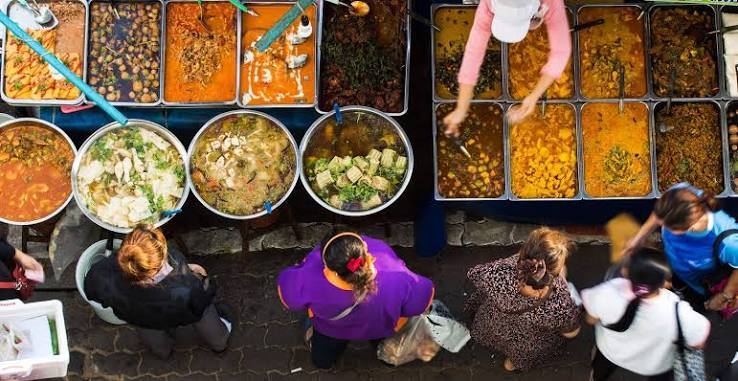
Every day, an estimated 2.5 billion people eat street food. From the bustling night markets of Bangkok to the food carts of New York City, street food is more than just a quick bite—it’s a window into a culture’s soul. It’s affordable, accessible, and often made with recipes passed down through generations. In this article, we’ll take you on a culinary journey across the globe, exploring 20 iconic street foods that you absolutely must try. Whether you’re a seasoned traveler or an armchair foodie, these dishes represent the heart and hustle of their cities.
Asia: The Street Food Epicenter
Asia is often considered the street food capital of the world, with vibrant markets and hawker stalls serving up an incredible variety of flavors. Here are some of the most iconic dishes from the region.
Banh Mi (Vietnam)
A perfect fusion of French colonialism and Vietnamese ingredients, banh mi is a baguette sandwich filled with pâté, pickled vegetables, cilantro, and your choice of meat. The crispy bread, savory fillings, and tangy pickles create a symphony of textures and tastes. You’ll find it everywhere in Vietnam, from street corners to dedicated shops.
Takoyaki (Japan)
Originating in Osaka, takoyaki are spherical snacks made of a wheat-flour batter filled with octopus, pickled ginger, and green onion. They’re cooked in special molded pans, brushed with takoyaki sauce, and topped with bonito flakes and mayonnaise. These piping hot balls are a beloved street food, especially at festivals.
Pad Thai (Thailand)
Perhaps Thailand’s most famous export, pad Thai is a stir-fried rice noodle dish with tamarind, fish sauce, shrimp or tofu, eggs, and peanuts. It’s a balance of sweet, sour, and salty flavors, often served with lime and chili flakes. Street vendors in Bangkok whip it up in minutes over high flames, making it a must-try.
Momo (Nepal/Tibet/India)
These steamed dumplings are a staple in the Himalayan regions. Filled with minced meat or vegetables and served with a spicy chutney, momos are a comforting snack that’s both simple and satisfying. They’re often enjoyed with a side of clear soup.
Satay (Indonesia/Malaysia)
Satay consists of skewered, grilled meat—usually chicken, beef, or lamb—served with a rich peanut sauce. The meat is marinated in spices like turmeric and lemongrass, giving it a distinctive flavor. It’s a popular street food in Southeast Asia, often sold by vendors grilling over charcoal.
Xiaolongbao (China)
These soup dumplings from Shanghai are a marvel of culinary engineering. The filling includes pork and a gelatinized broth that melts when steamed, creating a burst of soup in every bite. They’re typically served in bamboo steamers and eaten with black vinegar and ginger.
Khao Man Gai (Thailand)
This Thai version of Hainanese chicken rice is a simple yet flavorful dish: poached chicken served on fragrant rice cooked in chicken broth, with a side of ginger sauce. It’s a beloved street food in Bangkok, often sold at dedicated stalls that have perfected their recipe over decades.
Middle East: A Melting Pot of Flavors
The Middle East offers a rich tapestry of street foods, influenced by ancient trade routes and diverse cultures.
Falafel (Egypt/Levant)
Falafel are deep-fried balls or patties made from ground chickpeas or fava beans, mixed with herbs and spices. They’re often served in pita bread with salad, tahini, and pickles. Crispy on the outside, fluffy on the inside, falafel is a vegetarian favorite that’s both filling and delicious.
Shawarma (Turkey/Levant)
Shawarma is a popular Middle Eastern dish where marinated meat (chicken, lamb, or beef) is stacked on a vertical rotisserie and slowly roasted. It’s shaved off and wrapped in pita or flatbread with garlic sauce, pickles, and sometimes fries. The combination of juicy meat and tangy sauces makes it irresistible.
Africa: Bold and Spicy
African street food is known for its bold spices and hearty ingredients.
Bunny Chow (South Africa)
Originating in Durban, bunny chow is a hollowed-out loaf of bread filled with curry. It’s a portable meal that’s both filling and flavorful. The curry can be made with chicken, beef, or vegetables, and is often served with a side of sambal (a spicy condiment).
Suya (Nigeria)
Suya is a spicy grilled meat skewer, typically beef, coated in a peanut-based spice mix. The meat is grilled over open flames and served with sliced onions and tomatoes. It’s a popular street food in Nigeria, known for its fiery kick and smoky flavor.
Europe: Classic Comforts
Europe’s street food scene is a mix of traditional snacks and modern innovations.
Crepes (France)
Crepes are thin pancakes made from wheat flour, eggs, and milk. They can be filled with sweet ingredients like Nutella, strawberries, and sugar, or savory options like ham, cheese, and eggs. You’ll find crepe stands all over France, especially in Paris, where they’re a beloved treat.
Churros (Spain)
Churros are fried dough pastries coated in cinnamon sugar, often served with a thick hot chocolate for dipping. They’re a popular breakfast or late-night snack in Spain, and you’ll see them at fairs and street stalls across the country.
Poutine (Canada)
Though not European, poutine is a Canadian classic that deserves a spot on this list. It consists of French fries topped with cheese curds and smothered in gravy. It’s a hearty, indulgent dish that originated in Quebec and has become a national icon.
North America: Bold and Diverse
North American street food is as diverse as its population, with influences from all over the world.
Tacos al Pastor (Mexico)
Tacos al pastor are a Mexican favorite, featuring thinly sliced pork marinated in achiote and spices, then roasted on a vertical spit. The meat is served on small corn tortillas with pineapple, onion, and cilantro. The combination of sweet and savory flavors is a true delight.
Hot Dog (USA)
The hot dog is an American classic, a grilled or steamed sausage served in a bun with a variety of condiments like mustard, ketchup, onions, and relish. It’s a staple at baseball games, street carts, and backyard barbecues across the country.
South America: Flavorful and Filling
South American street food is known for its hearty portions and vibrant flavors.
Arepas (Colombia/Venezuela)
Arepas are cornmeal cakes that are grilled, baked, or fried. They can be split and filled with cheese, meat, beans, or avocado. They’re a versatile and satisfying street food that’s a staple in both Colombia and Venezuela.
Empanadas (Argentina/Chile)
Empanadas are pastries filled with meat, cheese, or vegetables, then baked or fried. They’re a popular snack throughout Latin America, with each country having its own variation. In Argentina, they’re often filled with beef, onions, and spices, while Chilean versions might include seafood.
Caribbean: Island Spice
The Caribbean offers a unique blend of African, European, and indigenous influences.
Jerk Chicken (Jamaica)
Jerk chicken is a Jamaican specialty, where chicken is marinated in a spicy mixture of scotch bonnet peppers, allspice, thyme, and other spices, then grilled over pimento wood. The result is a smoky, fiery, and incredibly flavorful dish. It’s often served with rice and peas or festival (a type of fried dough).
Oceania: Down Under Delights
Oceania’s street food scene is a mix of British influences and local ingredients.
Meat Pie (Australia/New Zealand)
The meat pie is a beloved snack in Australia and New Zealand. It’s a flaky pastry filled with minced meat and gravy, often eaten on the go. It’s a comforting, savory treat that’s perfect for a quick lunch or a snack at a sporting event.
Conclusion
Street food is more than just food—it’s a cultural experience that connects us to the people, history, and soul of a place. From the bustling streets of Bangkok to the quiet corners of Paris, these 20 iconic dishes represent the best of what the world has to offer. So next time you travel, skip the fancy restaurants and head to the street stalls. You’ll not only taste incredible food but also support local economies and immerse yourself in the local culture.
Summary
- Street food is a global phenomenon, with 2.5 billion people eating it daily.
- It provides affordable, accessible nutrition and supports millions of entrepreneurs.
- Iconic dishes like banh mi, tacos al pastor, and jerk chicken offer unique cultural insights.
- Street food is a major draw for food tourism, with tours in cities like Bangkok and Mexico City.
- Trying street food is a way to connect with local culture and history.
FAQ
Q: Is street food safe to eat?
A: Generally, yes, if you choose vendors with high turnover and food cooked to order. Look for stalls that are busy with locals, as that’s a good sign of freshness.
Q: What are some common street food ingredients?
A: Ingredients vary by region, but common ones include rice, noodles, bread, meats, vegetables, and spices. Many dishes are fried or grilled, making them flavorful and portable.
Q: Can street food be healthy?
A: Some street foods can be healthy, like fresh fruit, grilled meats, or vegetable-based dishes. However, many are fried or high in sodium, so it’s best to enjoy them in moderation.
Q: How can I find the best street food?
A: Ask locals, look for long lines, and explore markets. Often, the best street food is found where locals eat, not in tourist-heavy areas.
Q: Are there any famous street food markets?
A: Yes, some famous ones include the night markets in Bangkok, the hawker centers in Singapore, and the street food stalls in Mexico City’s Mercado de San Juan.