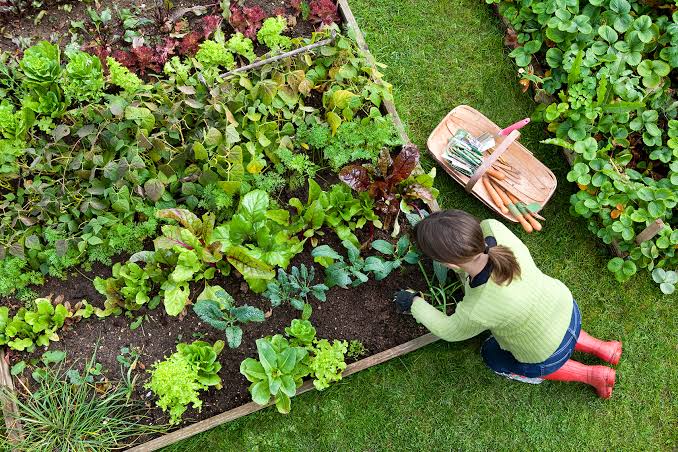
In recent years, the humble home garden has experienced a remarkable renaissance. What began as a wartime necessity—when Victory Gardens supplied up to 40% of America’s produce—has evolved into a modern movement driven by desires for sustainability, food security, and mental well-being. Whether you have a sprawling backyard or a sun-drenched balcony, growing your own food and flowers is more accessible than ever.
This guide will walk you through everything you need to know, from selecting the perfect site to harvesting your first crop. We’ll debunk common myths, explore different gardening styles, and provide practical tips for beginners and seasoned gardeners alike. By the end, you’ll be equipped to start your own garden, no matter your space or experience level.
Why Garden? The Benefits Beyond the Harvest
Gardening is more than just a hobby—it’s an investment in your health, wallet, and the planet. Here’s why millions are digging in:
- Food Security and Savings: A well-managed 100-square-foot vegetable garden can yield 100–200 pounds of produce per season. While startup costs (soil, tools, seeds) may exceed your first grocery bill, the savings compound over time, especially with high-value crops like herbs and salad greens.
- Health and Wellness: Gardening burns about 300 calories per hour and is linked to reduced stress and improved mental health. The therapeutic benefits are so recognized that ‘ecotherapy’ is now a formal practice.
- Environmental Stewardship: Home gardens support pollinators, reduce food miles, and can even sequester carbon. By composting and avoiding synthetic chemicals, you’re contributing to a healthier ecosystem.
Getting Started: The Six Core Components
1. Site Selection
Most edible plants crave sunlight—aim for 6–8 hours of direct sun daily. Observe your space throughout the day to identify the sunniest spots. Also consider drainage (avoid low-lying areas where water pools), wind exposure (sheltered spots are better), and proximity to a water source.
2. Soil: The Foundation of Your Garden
Healthy soil is alive. For most plants, you want a loamy texture—a balance of sand, silt, and clay—with a pH between 6.0 and 7.0. Enrich your soil with compost to boost organic matter and improve drainage. If you’re gardening in containers, use a high-quality potting mix rather than garden soil, which can compact and suffocate roots.
3. Water: Quality Over Quantity
A common beginner mistake is overwatering. Most plants prefer deep, infrequent watering—about 1 to 1.5 inches per week, depending on climate and plant type. Drip irrigation or soaker hoses deliver water directly to the roots, reducing waste and preventing fungal diseases. Always check soil moisture before watering; if the top inch is dry, it’s time to water.
4. Plant Selection: Choose What You Love
Your local hardiness zone (USDA zones in the U.S.) determines what will thrive in your climate. Start with easy, high-yield crops like lettuce, radishes, herbs, and tomatoes. Consider companion planting—for example, basil near tomatoes can improve flavor and deter pests. And practice crop rotation each year to prevent soil-borne diseases.
5. Maintenance: The Ongoing Care
Gardening is a relationship. Regular weeding, mulching (to retain moisture and suppress weeds), pruning, and monitoring for pests are essential. For pest control, start with the least toxic options: handpicking, neem oil, or insecticidal soap. Fertilize with compost or organic amendments, and don’t forget to deadhead flowers to encourage more blooms.
6. Harvesting and Storage
Timing is everything. Harvest leafy greens when young and tender, and pick tomatoes at peak color. Many vegetables store well—root crops in a cool, dark place, and herbs can be dried or frozen. Enjoy the fruits of your labor, and consider preserving excess to enjoy year-round.
Choosing Your Gardening Style
In-Ground Gardens
Traditional and cost-effective, in-ground gardens allow plants to spread their roots freely. However, you’re at the mercy of your native soil, which may need significant amendment. They’re ideal for large spaces and perennial plants.
Raised Beds
Raised beds offer superior soil control, better drainage, and easier access—no more kneeling on the ground. They warm up faster in spring, extending your growing season. The initial cost is higher, but they’re perfect for poor native soil or limited mobility.
Container Gardening
Perfect for balconies, patios, and small yards. Containers give you flexibility to move plants for optimal sunlight and can be quite productive. Choose pots with drainage holes, use quality potting mix, and be prepared to water more frequently, as containers dry out faster.
Vertical Gardening
Maximize space by growing upward. Trellises, wall-mounted planters, and hanging baskets are great for vining crops like cucumbers, beans, and strawberries. Vertical gardens also create a stunning visual display.
Organic vs. Conventional: What’s the Difference?
Organic gardening isn’t about avoiding all pesticides—it’s about using approved natural ones like neem oil and insecticidal soap. It emphasizes building healthy soil, encouraging beneficial insects, and working with nature rather than against it. Conventional methods may use synthetic chemicals, which can be effective but may harm beneficial organisms and the environment. For most home gardeners, an organic approach is both sustainable and rewarding.
Season Extension: Grow Beyond the Limits
With a few simple tools, you can extend your harvest well into fall and even winter. Cold frames—bottomless boxes with transparent lids—protect plants from frost. Row covers are lightweight fabrics that trap heat and keep pests out. A small greenhouse can turn a hobby into a year-round passion.
Urban and Small-Space Gardening
Don’t have a yard? No problem. Balcony and rooftop gardens are thriving in cities worldwide. Use vertical structures, railing planters, and self-watering containers. Community gardens offer shared plots and a sense of community. Even a sunny windowsill can support herbs and microgreens.
Common Myths, Debunked
- “Gardening saves money immediately.” Not true. Initial setup costs can exceed your first harvest’s value. But over time, with high-yield crops, you’ll see savings.
- “More water equals healthier plants.” Overwatering is a leading cause of plant death. Deep, infrequent watering is the key.
- “Organic means no pesticides.” Organic gardeners do use pesticides—just natural ones. It’s about the type, not the absence.
- “You need a big yard to garden.” Containers, vertical gardens, and community plots make gardening possible anywhere.
Conclusion
Home gardening is a journey of discovery—each season brings new lessons and rewards. Start small, be patient with yourself, and don’t fear failure; it’s the best teacher. Whether you’re growing a single basil plant or a full vegetable patch, you’re participating in a tradition that nourishes body, mind, and planet. So grab a trowel, get your hands dirty, and watch your garden—and yourself—flourish.
Summary
- Start small and choose easy crops like lettuce, radishes, and herbs to build confidence.
- Sunlight is key: most edibles need 6–8 hours of direct sun daily.
- Water deeply but infrequently to avoid overwatering and root rot.
- Invest in soil health with compost and organic matter; it’s the foundation of a thriving garden.
- Gardening saves money over time, not immediately; focus on high-value crops for the best return.
FAQ
Q: How much time does gardening require each week?
A: Expect to spend 2–5 hours per week on a small garden, including watering, weeding, and harvesting. Container gardens may need more frequent watering, especially in hot weather.
Q: What are the easiest vegetables for beginners?
A: Lettuce, radishes, green beans, zucchini, and cherry tomatoes are forgiving and productive. Herbs like basil, mint, and rosemary are also great starting points.
Q: Can I garden indoors?
A: Absolutely! Many herbs and leafy greens thrive on sunny windowsills. For more ambitious indoor gardening, consider hydroponics or grow lights.
Q: How do I know if my soil is healthy?
A: Healthy soil is dark, crumbly, and full of earthworms. You can also test pH and nutrient levels with a home kit. Adding compost annually is the best way to maintain soil health.
Q: What should I do about pests without using harsh chemicals?
A: Start with prevention: healthy plants resist pests. Encourage beneficial insects like ladybugs, use row covers, and handpick pests. If needed, apply neem oil or insecticidal soap, which are organic-approved.