
Tag: hacking

  • Why Municipal Water Systems Are Sitting Ducks for Hackers

    Why Municipal Water Systems Are Sitting Ducks for Hackers

    In February 2021, an attacker at the Oldsmar, Florida water treatment plant remotely accessed the system’s HMI via TeamViewer and briefly boosted sodium hydroxide levels from 100 parts per million to 11,100 ppm a jump that could have turned the water supply into a caustic hazard. A plant operator spotted the cursor moving on screen and reversed the change before anyone was harmed. The attack was trivial: a shared password, an internet-exposed remote access tool, and no multi-factor authentication.

    Oldsmar wasn’t a one-off. Across the U.S., municipal water utilities rely on industrial control systems (ICS) and SCADA networks that were designed decades ago for reliability, not security. Many of these systems run on legacy firmware, communicate over protocols with no authentication, and are increasingly connected to the internet for convenience. The result: a critical infrastructure sector that is uniquely vulnerable to cyberattacks, with consequences that could threaten public health.

    The Anatomy of a Water Utility’s Control System

    To understand the vulnerabilities, you need to know the hardware. Municipal water systems use Supervisory Control and Data Acquisition (SCADA) systems to monitor and control everything from water treatment to distribution. The key components are Programmable Logic Controllers (PLCs) and Remote Terminal Units (RTUs)—small, specialized computers that open and close valves, start and stop pumps, and read sensors for pressure, flow, chlorine levels, and water levels.

    These devices are the workhorses of the water system. They run on firmware that often hasn’t been updated in years, and they communicate over protocols like Modbus and DNP3 that were designed in an era when no one imagined they’d be connected to the internet. These protocols have zero authentication and no encryption. Anyone who can reach the network can send commands as if they were the operator.

    In the past, that was okay because these systems were air-gapped—physically isolated from other networks. But that’s eroded. Utilities now connect their OT networks to IT networks for remote monitoring, billing, and compliance. The air gap has become a porous membrane, and attackers have found the holes.

    How Attackers Get In

    Attackers use a variety of vectors to breach water utilities, and many of them are embarrassingly simple.

    Internet-exposed devices. Shodan, a search engine for internet-connected devices, routinely shows HMIs and PLCs accessible to anyone. Many have default credentials like “admin/admin” or no password at all. In one 2023 incident reported by CISA, an attacker changed a pump’s operational parameters after finding the HMI exposed online.

    Phishing and lateral movement. A classic approach: phish an employee in the IT department, get a foothold in the corporate network, then pivot to the OT network. The 2015 Ukraine power grid attack used this technique, and water utilities share similar architectures.

    VPN and remote access vulnerabilities. Utilities often use VPNs for remote access, but these appliances may be unpatched. In 2021, a ransomware group hit a water treatment plant in California by exploiting a known vulnerability in a VPN appliance.

    Supply chain and third-party access. Vendors and contractors often have standing remote access to multiple utilities. If an attacker compromises a vendor, they can reach any utility that trusts that vendor’s credentials. This is a single point of failure that affects many small utilities.

    Physical access. USB drops, direct connection to serial ports, or engineering workstations left unsecured. It’s not glamorous, but it works.

    Water-specific protocol attacks. Attackers can inject false sensor readings—telling the system a tank is full when it’s empty—or send direct commands to valves and pumps. The Oldsmar attack was a direct command to increase lye dosage.

    Real-World Incidents: From Sewage to Lye

    The threat isn’t theoretical. Here are some notable cases:

    • Oldsmar, Florida (2021): As described, an attacker used TeamViewer to access the HMI and tried to poison the water supply. It was stopped by a sharp-eyed operator.
    • Maroochy Shire, Australia (2000): A disgruntled former contractor used radio equipment and stolen software to release 800,000 liters of raw sewage into waterways over three months. This is the classic insider attack.
    • Ukraine (2015/2016): Though primarily power grids, the BlackEnergy and Industroyer malware demonstrated how OT systems can be remotely manipulated. Water utilities run on similar architectures.
    • Israel (2020): State actors attempted attacks on water infrastructure, targeting chlorine dosing and other control systems.
    • Multiple U.S. incidents (2023–2024): CISA reported intrusions at water facilities via internet-exposed HMIs and default passwords, including one where an attacker changed a pump’s operational parameters.

    These incidents show a range of attackers—from disgruntled insiders to nation-states—and a common theme: the systems are vulnerable because they were never designed with security in mind.

    Why Water Utilities Are Uniquely Vulnerable

    There are about 150,000 public water systems in the U.S. alone. The vast majority serve small populations with tiny IT budgets and no dedicated security staff. A town of 2,000 people doesn’t have a CISO.

    Legacy infrastructure is another factor. Pumps and pipes can last 50 years, and the control systems are often just as old. It’s not uncommon to find Windows XP machines running a treatment plant’s SCADA system. These unsupported operating systems are riddled with known vulnerabilities that will never be patched.

    Safety vs. security trade-offs are baked into the design. Water systems are engineered for reliability and fail-safe operation. If a sensor fails, the system should default to a safe state. But that also means availability trumps confidentiality and integrity. Attackers can exploit this by forcing the system into unsafe states.

    The human factor is huge. Operators often share passwords, use default credentials, and leave remote access tools like TeamViewer and AnyDesk installed for vendor convenience. Vendors may have standing access to dozens of utilities, creating a single point of compromise. Turnover and lack of documentation mean accounts are rarely deactivated when employees leave.

    Cost constraints make it hard to fix these problems. Small utilities can’t afford modern SCADA upgrades, network segmentation, or 24/7 monitoring. The result is a sector that is underfunded, understaffed, and under attack.

    The Threat Landscape: Who’s Attacking and Why

    The attackers range from nation-state actors to cybercriminals. Nation-states target water infrastructure for espionage, disruption, or retaliation. Israel’s 2020 attacks were attributed to state actors. Cybercriminals have also hit water utilities with ransomware—in 2021, a ransomware attack on a California water facility forced operators to switch to manual control.

    These attacks can have real consequences. An attacker who manipulates chlorine levels could cause a public health crisis. One who opens a valve could flood a town. The potential for physical harm distinguishes water utilities from typical data breaches.

    The Regulatory Landscape: Gaps and Progress

    In the U.S., CISA and the EPA oversee water sector cybersecurity. The America’s Water Infrastructure Act (AWIA) requires utilities to conduct risk assessments and prepare emergency response plans, but it doesn’t mandate cybersecurity standards. Many incidents go unreported—utilities fear reputational damage or fines.

    CISA has issued emergency directives requiring action for known exploited vulnerabilities, and the Biden administration has proposed cybersecurity requirements for public water systems. The EPA has even taken enforcement actions against non-compliant utilities. But progress is slow, and the gap between large and small utilities remains wide.

    What Can Be Done

    The fixes are known but require investment and political will. Network segmentation can isolate OT networks from IT networks. Multi-factor authentication would have stopped Oldsmar. Regular patching of known vulnerabilities closes the most common attack paths. And training operators to recognize phishing attempts could prevent initial compromise.

    But for the thousands of small utilities, these solutions may seem out of reach. That’s where federal assistance and sector-wide initiatives come in. The threat is real, and the time to act is now—before an attack succeeds.

    Municipal water systems are critical infrastructure, yet they remain dangerously exposed. The technology is old, the budgets are thin, and the attackers are sophisticated. But the fixes are known: segment networks, require multi-factor authentication, patch vulnerabilities, and train staff. The next Oldsmar might not have a quick-thinking operator to stop it.

    Summary

    • Municipal water systems rely on legacy SCADA and ICS systems that lack modern security features.
    • Attack vectors include internet-exposed devices, phishing, VPN exploits, and third-party access.
    • Real-world incidents like Oldsmar, Florida and Maroochy Shire show the potential for physical harm.
    • Fragmented ownership, legacy infrastructure, and cost constraints make utilities uniquely vulnerable.
    • Regulatory gaps persist, but CISA and EPA are taking steps to enforce better security.

    FAQ

    Q: What is SCADA and why is it used in water systems?
    A: SCADA (Supervisory Control and Data Acquisition) systems monitor and control water treatment, storage, and distribution. They use PLCs and RTUs to automate valves, pumps, and sensors.

    Q: How did the Oldsmar attack happen?
    A: The attacker accessed the plant’s HMI via TeamViewer using a shared password and increased sodium hydroxide levels. An operator spotted it and reversed it.

    Q: Why are water utilities so vulnerable?
    A: They have legacy equipment, lack cybersecurity budgets, and often rely on default credentials and unpatched systems. The OT networks are increasingly connected to IT networks, creating attack paths.

    Q: What can a hacker do to a water system?
    A: They can change chemical dosing, manipulate valve positions, or disrupt pumps, potentially causing contamination, flooding, or service outages.

    Q: Is there regulation for water system cybersecurity?
    A: The America’s Water Infrastructure Act requires risk assessments, but mandatory cybersecurity standards are still being developed. CISA and EPA are increasing oversight.

  • We Were Never Supposed to See This GTA 6 Footage

    We Were Never Supposed to See This GTA 6 Footage

    In September 2022, a teenager with a stolen Amazon Fire Stick and a hotel TV pulled off one of the most audacious heists in video game history. He breached Rockstar Games’ internal systems and leaked 90 videos of unfinished Grand Theft Auto VI footage to the world. The gaming community was stunned not just by the content, but by the sheer scale of the leak.

    For a company as secretive as Rockstar, it was a nightmare scenario. GTA 6 had been in development for years with almost no official information released. The leak exposed raw gameplay, debug menus, and internal tools, offering an unprecedented glimpse behind the curtain. But it also raised serious questions about security, the ethics of leaks, and the pressure on developers.

    The Leak That Shook the Gaming World

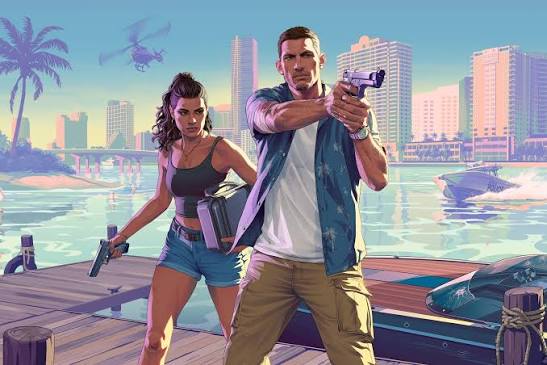
    On September 18, 2022, a user named “teapotuberhacker” posted a link on GTAForums. The link led to a trove of 90 videos and screenshots from an early build of GTA 6. The footage showed a female protagonist (later confirmed as Lucia) and a male protagonist (Jason) in a modern-day Vice City. It was raw, unpolished, and littered with debug overlays and placeholder assets.

    Fans were ecstatic. After years of waiting, they finally had something even if it wasn’t meant for their eyes. But for Rockstar, it was a disaster. The leak included internal development tools and source code, exposing the company’s proprietary technology.

    The Hacker: A 17-Year-Old with a Fire Stick

    The culprit was Arion Kurtaj, a 17-year-old from Oxford, England. He was already on bail for hacking Uber and Nvidia as part of the Lapsus$ group. While staying at a hotel, he used a stolen Amazon Fire Stick and the hotel TV to access Rockstar’s internal Slack and steal the data.

    Kurtaj’s methods were more social engineering than sophisticated hacking. He reportedly sent a Slack message to a Rockstar employee, tricking them into granting access. It was a simple, effective attack that bypassed the company’s security.

    Rockstar’s Response: Damage Control

    Rockstar confirmed the leak was real in a statement, calling it a “network intrusion.” The company expressed disappointment but assured fans that development would not be delayed. They also took down the leaked videos from YouTube and other platforms.

    Despite the setback, Rockstar pressed on. In December 2023, they released the first official trailer for GTA 6, which broke records with over 90 million views in 24 hours. The game is slated for Fall 2025, though delays are possible.

    Why the Leak Was So Devastating

    The footage was from a build circa 2021-2022, meaning it was years from completion. But the leak’s impact went beyond the unfinished visuals. It exposed Rockstar’s internal processes, including debug menus and code, which could be used by competitors or malicious actors.

    For developers, the leak was a gut punch. They had poured years of work into a project they weren’t ready to show. Seeing it leaked in a rough state was embarrassing and demoralizing. One anonymous developer described it as “having your diary published without your permission.”

    The Legal Aftermath: A Landmark Case

    Kurtaj was arrested and, in 2023, found guilty of hacking offenses. In a 2024 ruling, a UK judge ordered him to remain in a secure hospital indefinitely, citing his continued intent to commit cybercrime. A co-defendant was acquitted.

    Kurtaj’s case raised questions about how to handle juvenile cybercriminals. Some argued he was a vulnerable teenager exploited by others; others pointed to the massive damage he caused. The judge ultimately decided that he posed a significant risk to society.

    The Community’s Reaction: Excitement and Anxiety

    The leak divided the gaming community. Some fans were thrilled to see any glimpse of the game, analyzing every frame for clues about the map, characters, and mechanics. Others worried the unpolished footage meant the game would be bad—a concern quickly dismissed by those familiar with game development.

    There was also a moral dimension. Some argued that leaks are a form of theft, harming the developers and the creative process. Others saw it as a way to hold corporations accountable, though Rockstar’s secrecy is hardly a crime.

    The Bigger Picture: Security and Secrecy

    The GTA 6 leak is a cautionary tale about the fragility of corporate security. Even a company like Rockstar, with vast resources, can be brought to its knees by a determined teenager with a social engineering trick.

    It also highlights the culture of secrecy in game development. Rockstar is notoriously tight-lipped about its projects, which makes leaks all the more tantalizing. But the cost of that secrecy is high: when a leak does happen, it’s explosive.

    What’s Next for GTA 6?

    Despite the leak, GTA 6 is still on track for a Fall 2025 release. The official trailer has generated massive hype, and fans are eagerly awaiting more details. The leaked footage, while rough, confirmed that the game will feature a modern-day Vice City, a female protagonist, and a dynamic duo.

    In the end, the leak may have inadvertently built even more anticipation. It showed that Rockstar is taking risks and pushing boundaries. But it also served as a reminder that in the digital age, nothing is truly secret.

    The GTA 6 leak was a watershed moment in gaming history. It exposed the vulnerabilities of a multi-billion-dollar company, sparked a legal battle over cybercrime, and gave fans an unprecedented look at a highly anticipated game. While the footage was never meant to be seen, it has become a part of gaming lore. As we await the game’s release, the leak serves as a reminder of the delicate balance between secrecy, security, and the insatiable appetite of fans.

    Summary

    • In September 2022, a hacker leaked 90 videos of unfinished GTA 6 footage, including gameplay of protagonists Lucia and Jason in Vice City.
    • The hacker was Arion Kurtaj, a 17-year-old from the Lapsus$ group, who used social engineering to breach Rockstar’s security.
    • Rockstar confirmed the leak, stated development wouldn’t be delayed, and released an official trailer in December 2023, setting records.
    • The leak exposed internal tools and source code, causing significant reputational and financial damage.
    • Kurtaj was found guilty and ordered to remain in a secure hospital indefinitely, raising questions about juvenile cybercrime.

    FAQ

    Q: What was in the GTA 6 leak?
    A: The leak contained approximately 90 videos and screenshots from an early development build of GTA 6, showing two protagonists (Lucia and Jason) in a modern-day Vice City, along with debug menus and internal tools.

    Q: Who was the hacker behind the GTA 6 leak?
    A: Arion Kurtaj, a 17-year-old from Oxford, England, part of the Lapsus$ hacking group. He used social engineering, including a fake Slack message, to gain access to Rockstar’s systems.

    Q: Did the leak delay GTA 6 development?
    A: Rockstar stated that development would not be delayed. The game is still planned for a Fall 2025 release, though delays are possible.

    Q: How did Rockstar respond to the leak?
    A: Rockstar confirmed the leak was real, called it a “network intrusion,” and expressed disappointment. They also worked to remove the leaked content from platforms.

    Q: What happened to the hacker?
    A: Kurtaj was found guilty of hacking offenses and, in 2024, was ordered to remain in a secure hospital indefinitely due to his continued intent to commit cybercrime.

  • Inside the GTA 6 Leak: What Really Happened and What It Means for the Game’s 2025 Release

    Inside the GTA 6 Leak: What Really Happened and What It Means for the Game’s 2025 Release

    In September 2022, a teenager in the UK flipped a switch that sent shockwaves through the gaming world. Arion Kurtaj, an 18-year-old associated with the Lapsus$ hacking group, breached Rockstar Games’ internal systems and released roughly 90 videos and screenshots of an early, unfinished build of Grand Theft Auto VI. The footage—grainy, raw, full of placeholder animations was unmistakably real. Within hours, it was everywhere: Discord, Twitter, YouTube, Reddit. Rockstar confirmed the leak’s authenticity, calling it a ‘network intrusion’ that wouldn’t affect development.

    But the leak was more than a spoiler or a security breach. It was a rare, unfiltered look at one of the most secretive development processes in entertainment history. It confirmed years of rumors: a female protagonist named Lucia, a return to Vice City, and a modern-day setting. It also exposed the sheer scale of Rockstar’s ambition dynamic NPCs, a living world, and systems that could make GTA V look like a tech demo.

    Now, as GTA 6 prepares for its planned Fall 2025 release on PS5 and Xbox Series X/S, the leak feels both distant and relevant. It shaped fan expectations, forced Rockstar’s hand (the official trailer dropped in December 2023, likely earlier than intended), and raised enduring questions about security, ethics, and the cost of hype.

    The Leak Itself: What Was Actually Revealed?

    The leaked footage was not a polished trailer. It was raw development footage, likely from 2021 or earlier, showing a game in a state that would normally never see the light of day. Characters moved with jerky animations, textures popped in and out, and the voice acting was placeholder. Yet for fans, it was gold.

    Key details confirmed:

    • A female protagonist named Lucia – visible in several clips, including a scene where she and a male companion rob a diner. This was the first playable female lead in the mainline GTA series.
    • Vice City setting – the neon-soaked streets, palm trees, and Art Deco buildings were unmistakable. The map appeared to be a modern reimagining of the 1980s classic.
    • Dynamic NPC interactions – clips showed NPCs reacting to player actions in ways that hinted at advanced AI systems. One scene showed a character being dragged from a car while NPCs shouted and ran for cover.
    • Raw gameplay mechanics – driving, shooting, and stealth sections were all present, though in an unpolished state.

    But the leak also had its limits. The footage was from an early build, and much of it was visually unimpressive. Textures were flat, lighting was inconsistent, and many elements were clearly placeholders. Anyone who thought they were seeing the final game was mistaken. As one developer anonymously told Kotaku, ‘Leaks like this are like seeing a movie’s storyboard and thinking you’ve watched the film.’

    The Fallout: Rockstar’s Response and the Legal Wreckage

    Rockstar’s response was swift and stoic. In a statement, the company confirmed the leak, expressed disappointment, and assured fans that ‘the development of the next Grand Theft Auto game will continue as planned.’ They also issued DMCA takedowns across platforms, scrubbing the footage from YouTube and Twitter within days.

    But the legal aftermath was far more complicated. Kurtaj, who was 17 at the time of the hack, was arrested in September 2022. He was already on bail for previous hacking offenses, including attacks on Uber and Nvidia. During the GTA 6 hack, he reportedly used an Amazon Fire Stick to access Rockstar’s Slack channels and exfiltrate files, taunting Rockstar in the process.

    In 2023, Kurtaj was found guilty of hacking offenses. The court heard that he was assessed as a danger, with autism and violent tendencies, and that he showed no remorse—he continued hacking attempts even while in custody. His sentence was an indefinite hospital order, meaning he will remain in a secure psychiatric facility until doctors deem him safe to release. Another teenager involved received a youth rehabilitation order.

    The sentencing sparked debate. Some argued that a hospital order for a minor was disproportionate, while others pointed to his lack of remorse and the scale of the damage—Rockstar reportedly spent millions on security and incident response. But the deeper issue was the breach itself: how had a teenager with a Fire Stick accessed one of the most valuable unreleased games in history?

    The Security Failure: How Did It Happen?

    Rockstar’s cybersecurity was exposed as woefully inadequate. The Lapsus$ group, known for social engineering and SIM-swapping attacks, used a simple tactic: convincing a Rockstar employee to provide multi-factor authentication codes. Once inside, Kurtaj found a Slack channel where developers shared links to internal builds. He then scraped video files from the company’s servers.

    The incident was a wake-up call for the industry. In the years since, other studios have suffered similar breaches—CD Projekt Red, Insomniac Games—but the GTA 6 leak remains the most high-profile due to the franchise’s cultural footprint. It highlighted a persistent vulnerability: even the biggest companies can be felled by a phishing email or a lax employee.

    The Fan Reaction: Hype vs. Spoilage

    The leak was a double-edged sword for the GTA community. On one hand, it confirmed decades of speculation. Fans had been debating the setting, protagonist, and release date since GTA V launched in 2013. Suddenly, they had answers—or at least, early glimpses of answers.

    On the other hand, the leak spoiled surprises. The official trailer, released in December 2023, confirmed Lucia and Vice City, but the surprise was already diluted. Some fans actively avoided the leaked footage to preserve the experience. Others dissected every frame, creating fan theories about the map’s size, the story’s tone, and the game’s mechanics.

    There was also a sense of empathy for the developers. Many fans recognized that the leaked footage was not representative of the final product and that the team had been working under immense pressure. The leak forced Rockstar to respond, and their decision to release a trailer earlier than planned was seen by some as damage control.

    What the Leak Means for GTA 6’s 2025 Release

    Despite the leak, Rockstar has maintained that the development timeline was unaffected. The official trailer, which dropped in December 2023, confirmed a Fall 2025 release for PS5 and Xbox Series X/S, with a PC release expected later. The trailer showed significantly improved graphics and polished animations compared to the leaked footage, suggesting that the game had evolved dramatically since the 2021 build.

    The question now is whether the leak will have any lasting impact. Some developers have suggested that leaks can demoralize teams and force them to change plans. Rockstar has reportedly increased security measures, but the culture of secrecy that defined the studio for years has been permanently breached.

    For fans, the leak may actually have been a blessing in disguise. It set realistic expectations: the game was still in development, and the final product would look much better. It also generated hype that no marketing campaign could have matched. The leak made GTA 6 feel real, even if it was unfinished.

    The Bigger Picture: Security, Ethics, and the Cost of Hype

    The GTA 6 leak is a case study in the dark side of internet culture. It raises uncomfortable questions about the ethics of consuming leaked content. By clicking on those videos, fans were complicit in a crime—though most would argue that the onus was on Rockstar to protect its assets.

    It also highlights the fragility of corporate security. If a teenager with a Fire Stick can breach Rockstar, what does that say about the safety of our data, our games, and our infrastructure? The Lapsus$ group was eventually dismantled, but their methods remain a blueprint for future hackers.

    As GTA 6 approaches its release, the leak will be remembered as a footnote—a strange, chaotic moment that preceded one of the biggest launches in entertainment history. But it also serves as a reminder of the human cost behind the games we love: the developers who pour years of work into a project only to have it exposed prematurely.

    The GTA 6 leak was a seismic event in gaming culture. It confirmed long-standing rumors, exposed Rockstar’s security flaws, and sparked debates about ethics, justice, and the price of hype. But as the game moves toward its 2025 release, the leak has faded into the background. The footage was a snapshot of an early build, and the final product will likely be vastly different—and far more polished. The leak didn’t ruin GTA 6; it merely gave fans a taste of what was to come. The real question is whether Rockstar’s security has learned the lesson, and whether the game can live up to the impossible expectations it now carries.

    Summary

    • In September 2022, a hacker leaked 90+ videos of an early GTA 6 build, confirming a female protagonist (Lucia), Vice City, and modern setting.
    • The leak was authentic but showed unfinished gameplay, not the final product.
    • The hacker, Arion Kurtaj, was sentenced to an indefinite hospital order; another teen got a youth rehabilitation order.
    • Rockstar confirmed the leak wouldn’t affect development and released the official trailer in December 2023, confirming Fall 2025 release.
    • The leak raised security concerns and sparked debates about ethics and spoilers, but ultimately built hype for the game.

    FAQ

    Q: Was the leaked GTA 6 footage real?
    A: Yes, Rockstar Games confirmed the leak was authentic, saying it was the result of a ‘network intrusion.’

    Q: Who was the hacker?
    A: Arion Kurtaj, an 18-year-old from the UK associated with the Lapsus$ hacking group. He was found guilty and sentenced to an indefinite hospital order.

    Q: Will the leak affect the release date?
    A: Rockstar said it would not affect development, and the official trailer confirmed a Fall 2025 release for PS5 and Xbox Series X/S.

    Q: Did the leak reveal the full game?
    A: No, it showed an early development build from around 2021, with placeholder animations and unfinished graphics. The final game will be significantly different.

    Q: How did the hacker get the footage?
    A: Through social engineering, convincing a Rockstar employee to provide multi-factor authentication codes, then accessing internal Slack channels and servers.