Tag: gut health

  • Could ‘Poop Pills’ Cure Insomnia? Early Study Hints at a Gut-Brain Connection

    Frontiers | Targeting the microbiota-gut-brain axis in post-stroke insomnia: a phase-dependent therapeutic framework

    Imagine treating your insomnia not with a pill that sedates your brain, but with one that changes the bacteria living in your gut. That’s the provocative idea behind a new study on fecal microbiota transplantation (FMT), colloquially known as ‘poop pills.’ The early research hints that transplanting gut bacteria from a healthy donor could reduce nighttime wakefulness in people with insomnia, offering a potential root-cause approach to a condition that affects millions.

    Insomnia is more than just a nuisance; it’s a public health burden linked to depression, heart disease, and impaired cognition. Current treatments like cognitive behavioral therapy (CBT-I) and sleep medications work for many, but not everyone, and drugs often come with side effects. The gut-brain axis—a bidirectional communication system between your digestive tract and your brain—has emerged as a new frontier in mental health, and sleep is no exception. This study adds to a growing body of evidence that the trillions of microbes in your gut might hold the key to a good night’s rest.

    The Study: A Small Step, Not a Giant Leap

    The study, described as early-stage and preliminary, focused on a specific measure called wake-after-sleep-onset (WASO)—the time you spend awake after initially falling asleep. Participants with insomnia who received FMT capsules showed a reduction in WASO compared to those who didn’t, suggesting that the bacterial transplant had a real effect on sleep continuity.

    However, it’s crucial to temper enthusiasm. This was likely a pilot or proof-of-concept trial, meaning it involved a small number of participants and may not have included a rigorous control group. Insomnia is notoriously susceptible to the placebo effect, and blinding in FMT studies is tricky—participants might guess whether they received donor or placebo capsules. The results are ‘hints,’ not definitive proof, and larger, more robust trials are needed before we can draw firm conclusions.

    The Gut-Brain Axis: How Your Microbiome Talks to Your Brain

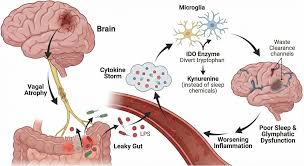
    The rationale behind FMT for insomnia lies in the gut-brain axis, a complex network of neural, immune, and metabolic signals. Your gut bacteria produce and influence a host of neuroactive compounds, including serotonin (a precursor to melatonin, the sleep hormone), GABA (an inhibitory neurotransmitter that promotes relaxation), and dopamine. These molecules can travel to the brain via the vagus nerve, enter the bloodstream, or modulate immune signaling through cytokines.

    Circadian rhythms—your body’s internal clock—are also tightly linked to gut microbes. The composition of your microbiome fluctuates in a daily rhythm, and disruptions like shift work or jet lag can throw both your bacteria and your sleep out of sync. Animal studies have shown that transplanting fecal matter from sleep-deprived mice into healthy mice induces sleep disturbances in the recipients, and vice versa, suggesting a causal relationship. This study in humans is a natural next step, though the exact mechanism—whether it’s specific bacterial strains, metabolites, or an immune response—remains unclear.

    Why FMT? From C. diff to a Potential Sleep Aid

    FMT is not new. It’s a highly effective treatment for recurrent Clostridioides difficile infection, with cure rates exceeding 90%. The procedure involves transferring stool from a healthy donor into a patient’s gut, and it’s now being explored for a range of conditions, from inflammatory bowel disease to depression. The ‘poop pill’ form—freeze-dried fecal material in oral capsules—is a more patient-friendly alternative to colonoscopy or enema delivery, though it may require taking many capsules.

    For insomnia, the appeal is a potential root-cause approach. Instead of sedating the brain with drugs, FMT aims to correct an underlying microbial imbalance that might be driving sleep problems. This resonates with patients seeking ‘natural’ or non-drug options, and the oral capsules are relatively non-invasive and low-cost to produce.

    The Skeptic’s View: Why We Should Be Cautious

    Despite the promise, there are good reasons for caution. First, pilot studies often show encouraging results that fail to replicate in larger trials. The placebo effect in insomnia is powerful, and without rigorous blinding, results can be misleading. Second, the microbiome is resilient; ‘reprogramming’ it is an oversimplification. Transplanted bacteria may not colonize permanently, and the microbiome often returns to baseline within weeks. Third, safety is a major concern. FMT carries risks of transmitting pathogens or antibiotic resistance genes, and there have been documented cases of serious infections. Regulatory agencies like the FDA treat FMT as an investigational drug, requiring strict donor screening and oversight.

    Finally, the mechanistic uncertainty is a red flag. Even if sleep improves, we don’t know if it’s due to specific bacterial strains, their metabolic products, or a broader immune-mediated effect. Without understanding the ‘active ingredient,’ it’s hard to develop a standardized, reliable treatment.

    The Road Ahead: What Would It Take to Prove It?

    To move from ‘hint’ to ‘treatment,’ we need larger, randomized, double-blind, placebo-controlled trials with diverse populations. Researchers must also track long-term outcomes and safety, including whether the microbiome changes persist. Standardizing donor selection and capsule preparation will be critical, as will developing biomarkers to identify who might benefit most.

    If confirmed, FMT could join the ranks of microbiome-based therapies for mental health, but it’s still early days. For now, the study is a fascinating glimpse into a future where a pill might not just treat the symptoms of insomnia, but address its microbial roots.

    The idea of treating insomnia with ‘poop pills’ is both intriguing and, for some, off-putting, but it underscores a broader shift in medicine: recognizing the gut as a key player in brain health. While this early study offers a tantalizing hint, it’s not yet a green light. We need more research to confirm the effect, understand the mechanism, and ensure safety. Until then, proven treatments like CBT-I and sleep hygiene remain the gold standard. But the gut-brain axis is a frontier worth watching—it might just lead to a revolution in how we approach sleep.

    Summary

    • Fecal microbiota transplantation (FMT), or ‘poop pills,’ may reduce nighttime wakefulness in insomnia, according to an early study.
    • The gut-brain axis—communication between gut bacteria and the brain—is the proposed mechanism, involving neurotransmitters, immune signals, and circadian rhythms.
    • The study is preliminary, with small sample sizes and potential placebo effects, so results are not definitive.
    • FMT is established for C. diff infections but is investigational for sleep, with safety and regulatory concerns.
    • Larger, rigorous trials are needed to confirm efficacy and understand how the microbiome affects sleep.

    FAQ

    Q: What are ‘poop pills’?
    A: They are oral capsules containing freeze-dried fecal material from a healthy donor, used in fecal microbiota transplantation (FMT) to transfer gut bacteria into a patient’s digestive tract.

    Q: How could gut bacteria affect sleep?
    A: Through the gut-brain axis, bacteria produce neuroactive compounds like serotonin and GABA, which influence sleep. They also interact with circadian rhythms and immune signaling, all of which can impact sleep quality.

    Q: Is FMT approved for insomnia?
    A: No. FMT is only approved for recurrent C. difficile infection. For insomnia, it’s experimental and under investigation in clinical trials.

    Q: What are the risks of FMT?
    A: Risks include transmission of pathogens or antibiotic resistance genes, and unknown long-term effects. Strict donor screening is essential but not foolproof.

    Q: Should I try ‘poop pills’ for my insomnia?
    A: Not yet. The evidence is preliminary, and FMT is not available as a standard treatment for insomnia. Consult a healthcare provider for evidence-based options like CBT-I.

  • The Art of Fermentation: How Ancient Preservation Techniques Became Global Cuisine

    Umami Culture around the World | Umami Information Center

    Before refrigerators hummed in every kitchen, before pasteurization and preservatives, there was fermentation—a quiet, microbial magic that transformed perishable foods into lasting staples. For thousands of years, humans unknowingly harnessed the power of yeast, bacteria, and molds to keep food edible through harsh winters, long voyages, and arid summers. What began as a survival necessity evolved into a cornerstone of global cuisine, giving us everything from tangy kimchi to crusty sourdough, from effervescent kombucha to complex soy sauce.

    Today, fermentation is experiencing a renaissance. Chefs at world-renowned restaurants treat it as an art form, scientists study its profound impact on gut health, and home cooks are rediscovering the joy of bubbling crocks and sourdough starters. This ancient technique, once a humble means of preservation, has become a symbol of culinary creativity and a bridge between tradition and innovation. Let’s dive into the fascinating story of how fermentation shaped human history and why it’s more relevant than ever.

    The Ancient Roots of Fermentation

    Fermentation is one of humanity’s oldest food technologies, predating written history. Archaeological evidence suggests that as early as 7000 BCE, people in China’s Jiahu village were fermenting a concoction of rice, honey, and fruit—likely the world’s first known alcoholic beverage. By 6000 BCE, wine was being produced in the Caucasus region, and around 4000 BCE, Egyptians were leavening bread with wild yeast. These early innovations were not accidental; they were deliberate attempts to solve a fundamental problem: how to store food for future use.

    Without refrigeration, fresh foods spoiled quickly. Fermentation offered a solution by creating an environment where beneficial microorganisms thrived and harmful ones perished. The production of lactic acid, alcohol, or acetic acid lowered pH and inhibited spoilage, allowing foods to last for months or even years. This preservation power enabled civilizations to survive seasonal scarcity, support long-distance trade, and sustain armies on the march. For example, sauerkraut provided German sailors with vitamin C during long voyages, preventing scurvy long before the vitamin was understood.

    The Science Behind the Magic

    At its core, fermentation is a metabolic process where microorganisms like bacteria, yeast, and molds convert carbohydrates (sugars and starches) into alcohols, acids, or gases. The key players include Lactobacillus (lactic acid bacteria), Saccharomyces cerevisiae (brewer’s and baker’s yeast), Aspergillus oryzae (koji mold), and Acetobacter (acetic acid bacteria). Each microbe produces distinct flavors and textures, leading to the vast array of fermented foods we enjoy today.

    There are several primary types of fermentation:

    • Lactic acid fermentation: This process produces yogurt, sauerkraut, kimchi, and pickles. Lactic acid bacteria convert sugars into lactic acid, giving these foods their characteristic tang and preserving them.
    • Ethanol fermentation: Yeast converts sugars into alcohol and carbon dioxide, creating beer, wine, and the airy crumb of bread.
    • Acetic acid fermentation: This turns ethanol into vinegar, adding a sharp, sour note to dressings and condiments.
    • Alkaline fermentation: Less common but important in some African and Asian cuisines, this process uses bacteria to break down proteins, as seen in natto (fermented soybeans) and certain condiments.

    For most of history, fermentation was practiced empirically—people knew it worked, but not why. It wasn’t until 1857 that Louis Pasteur demonstrated that fermentation was caused by living microorganisms, and later, in 1905, Elie Metchnikoff linked yogurt consumption to longevity, planting the seeds of the modern probiotic concept. This scientific understanding transformed fermentation from a folk art into a controlled industrial process, enabling mass production of consistent, safe fermented foods.

    A World of Fermented Flavors

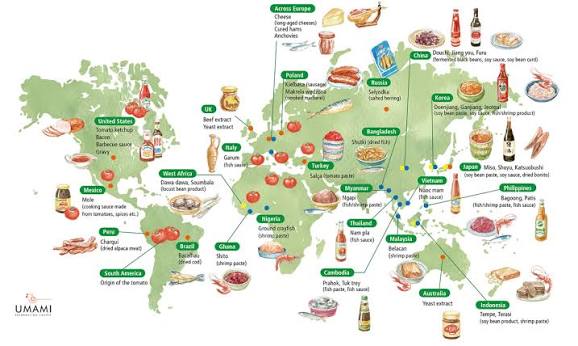
    Fermentation is a global phenomenon, with every culture developing its own unique fermented staples. In Asia, miso, soy sauce, kimchi, kombucha, tempeh, natto, and fish sauce are essential to daily cooking. Europe contributes cheese, yogurt, sauerkraut, sourdough bread, beer, wine, and kefir. Africa boasts injera (a spongy teff flatbread), ogi (fermented cereal porridge), and garri (fermented cassava). The Americas have sourdough, pickles, fermented hot sauces, and even chocolate and vanilla, which undergo fermentation during processing.

    These foods are more than just sustenance; they carry cultural identity and history. Kimchi is a symbol of Korean heritage, with hundreds of regional varieties. Sourdough bread has been a staple of San Francisco since the Gold Rush. The Silk Road facilitated the spread of soy sauce and other fermented condiments, while wine and beer were traded across the Mediterranean and Mesopotamia, sometimes even used as currency. Fermentation also holds religious significance—wine in Christian and Jewish rituals, kefir in Caucasus folklore, and miso in Japanese Zen temple cuisine.

    The Health Benefits: More Than Just Flavor

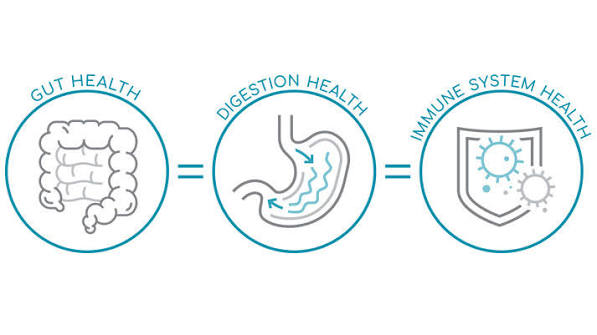
    Fermented foods are renowned for their health benefits, which have been documented in numerous studies. They are rich in probiotics—live beneficial bacteria that support gut health. A healthy gut microbiome is linked to improved digestion, a stronger immune system, and even better mental health. Fermentation also increases the bioavailability of nutrients: it can boost B vitamins, make minerals like iron and zinc easier to absorb, and reduce anti-nutrients like phytic acid in grains and legumes, which can block nutrient absorption.

    Moreover, the organic acids produced during fermentation (like lactic acid and acetic acid) have antimicrobial properties and can help maintain a balanced gut environment. While the scientific debate continues over whether probiotics survive digestion and pasteurization, the evidence overwhelmingly supports the inclusion of fermented foods in a healthy diet.

    The Modern Revival: From Noma to Your Kitchen

    The 20th century saw a decline in traditional fermented foods in Western diets, replaced by pasteurized, shelf-stable processed products. But since the 2010s, a fermentation renaissance has taken hold. The gut microbiome research boom has sparked public interest in foods that support digestive health. The “slow food” and artisanal movements have rekindled appreciation for traditional techniques. And celebrity chefs like René Redzepi of Noma have elevated fermentation to haute cuisine, with dedicated fermentation labs exploring new flavors and textures.

    This revival is also driven by the rise of plant-based eating. Fermentation is used to create umami-rich, meat-like flavors in vegan products, from fermented tofu to mycoprotein-based alternatives. Additionally, fermentation is a powerful tool for sustainability: it can reduce food waste by preserving surplus vegetables, lower energy use compared to refrigeration, and create protein-rich foods from legumes and grains, like tempeh and miso.

    Fermentation as a Creative and Sustainable Tool

    Today, fermentation is not just about preservation—it’s about transformation. Chefs use koji (the mold behind miso and sake) to cure meats, create unique marinades, and develop complex sauces. Home fermenters experiment with everything from fermented hot sauce to water kefir, finding joy in the alchemy of microbes. Fermentation allows us to connect with our food on a deeper level, understanding the living processes that create flavor.

    Moreover, fermentation aligns with a more sustainable food system. By preserving seasonal produce, we reduce waste and extend the life of fresh foods without energy-intensive refrigeration. Fermenting plant-based proteins can enhance their nutritional profile and palatability, making sustainable eating more delicious. As we face global challenges like climate change and food security, fermentation offers a low-tech, high-impact solution rooted in ancient wisdom.

    Conclusion

    From accidental discoveries in ancient villages to the cutting-edge labs of modern restaurants, fermentation has journeyed through human history as a vital preservation technique and a source of culinary delight. It has shaped cultures, fueled trade, and nourished generations. Today, as we rediscover the importance of gut health, sustainability, and artisanal craftsmanship, fermentation stands as a testament to the ingenuity of our ancestors and a beacon for a more flavorful, healthier future. Whether you’re savoring a spoonful of kimchi or nurturing a sourdough starter, you’re participating in a tradition that spans millennia—and that’s something worth celebrating.

    Summary

    • Fermentation is an ancient preservation technique that uses microorganisms to convert carbohydrates into alcohols, acids, or gases, extending shelf life and transforming flavors.
    • It has shaped global cuisine, with staples like kimchi, miso, sauerkraut, cheese, beer, and bread emerging from diverse cultures.
    • Scientific breakthroughs in the 19th century (Pasteur, Metchnikoff) turned fermentation into a controlled science, leading to industrial production.
    • Modern interest is driven by gut-health research, the artisanal food movement, and the need for sustainable food practices.
    • Fermentation offers health benefits, including probiotics, improved nutrient absorption, and reduced anti-nutrients, while also reducing food waste and supporting plant-based diets.

    FAQ

    Q: What is fermentation?
    A: Fermentation is a metabolic process where microorganisms like yeast, bacteria, or molds convert carbohydrates (sugars and starches) into alcohols, acids, or gases. In food, it’s used for preservation and flavor transformation.

    Q: What are the main types of fermentation?
    A: The primary types are lactic acid fermentation (yogurt, sauerkraut, kimchi), ethanol fermentation (beer, wine, bread), acetic acid fermentation (vinegar), and alkaline fermentation (natto, some African condiments).

    Q: Are fermented foods good for you?
    A: Yes, fermented foods are rich in probiotics, which support gut health. They also increase nutrient bioavailability, reduce anti-nutrients, and produce beneficial organic acids. However, pasteurized fermented foods may lack live probiotics.

    Q: Why did fermentation decline in the 20th century?
    A: The rise of refrigeration, pasteurization, and processed foods led to a decline in traditional fermented foods in Western diets, as they were replaced by shelf-stable, industrially produced alternatives.

    Q: How is fermentation used in modern cuisine?
    A: Chefs use fermentation to create unique flavors, such as koji-cured meats, fermented hot sauces, and umami-rich plant-based alternatives. It’s also a tool for reducing food waste and promoting sustainability.