Tag: Golden Age

  • The Golden Age of Mexican Cinema: How 1940s and 1950s Films Forged a Nation’s Identity

    The Golden Age of Mexican Cinema

    In 1944, a film called María Candelaria won the Grand Prix at the Cannes Film Festival, putting Mexican cinema on the global map. But this wasn’t just a triumph for a single movie—it was the culmination of a decade-long boom that would produce over 700 films and transform how Mexicans saw themselves. The Golden Age of Mexican cinema, roughly spanning the 1940s and 1950s, wasn’t just a commercial success story; it was a cultural project that defined a nation’s identity after decades of revolution and upheaval.

    This era gave us the swaggering charros of Jorge Negrete, the tender everymen of Pedro Infante, the fierce glamour of María Félix, and the linguistic acrobatics of Cantinflas. It produced genres that became deeply Mexican—the comedia ranchera, the urban melodrama, the revolutionary epic—and it did so with the backing of a government that saw cinema as a tool for national unity. But why did this golden age happen, and what made it so pivotal? The answer lies in a unique combination of wartime economics, state patronage, and a generation of artists who turned the camera on their own country.

    The Wartime Boom: How WWII Made Mexico a Film Powerhouse

    Before World War II, Mexican cinema was a minor player, dominated by Hollywood imports and low-budget local productions. But the war changed everything. European film industries were crippled, and Hollywood shifted its focus to war propaganda, leaving a massive gap in Spanish-language entertainment. Mexico, with its stable government and geographic proximity to the U.S., stepped in.

    The U.S. government, through the Office of the Coordinator of Inter-American Affairs led by Nelson Rockefeller, actively promoted Mexican cinema as a cultural ally against Axis influence in Latin America. This support wasn’t just rhetorical—it included technical assistance and financing. Meanwhile, the Mexican government established the Banco Nacional Cinematográfico in 1942 to fund productions, and the Secretaría de Gobernación controlled censorship, ensuring films aligned with state interests.

    The result was an industry that went from producing a handful of films a year to over 100 annually by the late 1940s. Mexico became the largest Spanish-language film producer in the world, and its movies were exported across Latin America. This wasn’t just about making money—it was about projecting a specific image of Mexico, one that was modern yet traditional, revolutionary yet stable.

    The Comedia Ranchera: Rural Myths and National Pride

    The genre that launched the Golden Age was the comedia ranchera, starting with Allá en el Rancho Grande (1936). These films were set in the countryside, featuring singing charros (horsemen) and idealized haciendas. They romanticized rural life and the Mexican Revolution, presenting a folkloric version of mexicanidad that was both nostalgic and aspirational.

    Jorge Negrete’s ¡Ay, Jalisco, no te rajes! (1941) cemented the archetype of the aristocratic, operatic charro—proud, macho, and deeply Mexican. Pedro Infante, on the other hand, offered a working-class charro with a heart of gold, as seen in Nosotros los pobres (1948). These films weren’t just entertainment; they were a form of nation-building, projecting an image of a unified Mexico rooted in its rural past.

    But the comedia ranchera also sanitized history. The Revolution was portrayed as a heroic struggle, not the bloody civil war it was. Rural life was shown as idyllic, ignoring the poverty and inequality that drove millions to cities. This was deliberate—the state used cinema to promote social cohesion and suppress dissent, and the censorship board made sure films didn’t get too political.

    The Star System: Icons of Masculinity and Femininity

    No Golden Age would exist without its stars, and Mexico produced some of the most iconic in Latin American history. The female stars offered contrasting models of womanhood. Dolores del Río, already a Hollywood star, returned to Mexico and played the graceful, tragic heroine in María Candelaria (1944), which won the Grand Prix at Cannes. María Félix, known as “La Doña,” became the fierce, independent woman who dominated her male co-stars in films like Doña Bárbara (1943).

    On the male side, Jorge Negrete and Pedro Infante competed for the title of Mexico’s favorite heartthrob. Negrete was the polished, operatic singer with aristocratic airs; Infante was the down-to-earth charro who seemed like one of the audience. Their rivalry was legendary, and their deaths—Infante in a 1957 plane crash, Negrete in 1953—marked the beginning of the era’s decline.

    Then there was Cantinflas, played by Mario Moreno, who offered something completely different. In Ahi está el detalle (1940), Cantinflas created a character who was a linguistic genius of nonsense, a pelado (street urchin) who mocked authority and pretension through rapid-fire wordplay. He became a symbol of the urban poor, using humor to subvert the establishment—a uniquely Mexican form of social satire that still resonates today.

    Beyond the Ranchera: Urban Melodramas and Neorealism

    The Golden Age wasn’t all ranchera comedies. Directors like Emilio “El Indio” Fernández and cinematographer Gabriel Figueroa crafted visually stunning films that explored Mexican identity more complexly. María Candelaria is a prime example, using Figueroa’s dramatic black-and-white photography to tell a tragic story of an indigenous woman. This visual style—with its stark contrasts and painterly compositions—became the defining look of the era, influencing filmmakers worldwide.

    Luis Buñuel, the Spanish exile, brought a darker vision. Los olvidados (1950) is a brutal neorealist portrait of Mexico City slums, showing the poverty and violence that official films ignored. It won Best Director at Cannes in 1951, but it was initially controversial in Mexico, where critics accused Buñuel of portraying the country in a bad light. Today, it’s considered one of the greatest films of the era, a reminder that the Golden Age wasn’t just about escapism—it also confronted uncomfortable truths.

    Urban melodramas like Nosotros los pobres by Ismael Rodríguez also explored city life, focusing on the struggles of working-class characters. These films were hugely popular, connecting with audiences who had migrated to cities and saw their own experiences reflected on screen.

    Government Patronage and Censorship: The State Behind the Camera

    The Mexican government wasn’t just a passive observer—it was an active participant in the Golden Age. The Banco Nacional Cinematográfico provided financing, while the Secretaría de Gobernación reviewed scripts and final films, imposing censorship that shaped content. The goal was to promote “family values” and national unity, suppressing overt political critique.

    This patronage had a downside. Films often avoided controversial topics, and genres became formulaic as producers repeated what worked. By the mid-1950s, the industry was churning out predictable ranchera comedies and melodramas, losing the creative spark of the 1940s. The government’s control also meant that when the political climate changed, the industry was slow to adapt.

    The Decline: What Ended the Golden Age?

    The Golden Age didn’t end with a single event but with a slow fade. Hollywood returned aggressively after WWII, squeezing Mexican productions. The government imposed screen quotas and import restrictions to protect local industry, but these weren’t enough. Production costs rose, and genres became repetitive. The deaths of Pedro Infante and Jorge Negrete deprived the industry of its biggest stars, and audiences began to drift toward the new medium of television.

    By the late 1950s, the industry shifted to low-budget exploitation films, and the Golden Age was over. But its legacy endured. The films of this era remain beloved in Mexico and beyond, and they shaped how Mexicans understand themselves. They created archetypes—the charro, the tragic heroine, the pelado—that still appear in Mexican culture today. And they proved that cinema could be a powerful tool for national identity, a lesson that resonates far beyond Mexico.

    The Golden Age of Mexican cinema was a brief but brilliant moment when a nation’s identity was forged on screen. It was a product of unique circumstances—war, government support, and extraordinary talent—but its impact was lasting. The films of this era didn’t just entertain; they told Mexicans who they were. And even as the industry declined, the images and stories it created continued to shape how Mexico saw itself and how the world saw Mexico. Today, when we watch a Cantinflas comedy or a Pedro Infante melodrama, we’re not just watching old movies—we’re witnessing the birth of a modern national consciousness.

    Summary

    • The Golden Age of Mexican cinema (roughly 1936–1956) produced over 700 films and made Mexico the leading Spanish-language film industry globally.
    • WWII created a vacuum in Latin American markets, which Mexico filled with government and U.S. support.
    • Genres like the comedia ranchera romanticized rural life and the Revolution, projecting an idealized version of mexicanidad.
    • Stars like Pedro Infante, Jorge Negrete, María Félix, and Cantinflas became cultural icons, embodying different aspects of Mexican identity.
    • The era declined in the late 1950s due to Hollywood competition, formulaic films, the deaths of key stars, and the rise of television.

    FAQ

    Q: What started the Golden Age of Mexican cinema?
    A: The success of Allá en el Rancho Grande (1936) is often credited as the trigger, but the boom really took off during WWII when Hollywood and European films were scarce in Latin America, creating a demand that Mexican studios filled.

    Q: Who were the most iconic stars of the Golden Age?
    A: The biggest stars included Pedro Infante, Jorge Negrete, María Félix, Dolores del Río, and Cantinflas. Each represented different archetypes: the working-class hero, the aristocratic singer, the fierce diva, the tragic beauty, and the subversive comedian.

    Q: How did the government influence Golden Age films?
    A: The government provided financing through the Banco Nacional Cinematográfico and enforced censorship via the Secretaría de Gobernación, ensuring films promoted family values and national unity rather than political critique.

    Q: Why is Los olvidados significant?
    A: Directed by Luis Buñuel in 1950, it offered a stark neorealist depiction of poverty in Mexico City, contrasting with the era’s romanticized films. It won Best Director at Cannes and is now considered a masterpiece, though it was initially criticized in Mexico.

    Q: When and why did the Golden Age end?
    A: It faded in the late 1950s due to Hollywood’s return, rising costs, genre fatigue, the deaths of Pedro Infante and Jorge Negrete, and the rise of television, which drew audiences away from cinemas.
  • The Golden Age of Hollywood: How the Studio System Shaped Modern Cinema

    The Golden Age of Hollywood: How the Studio System Shaped Modern Cinema

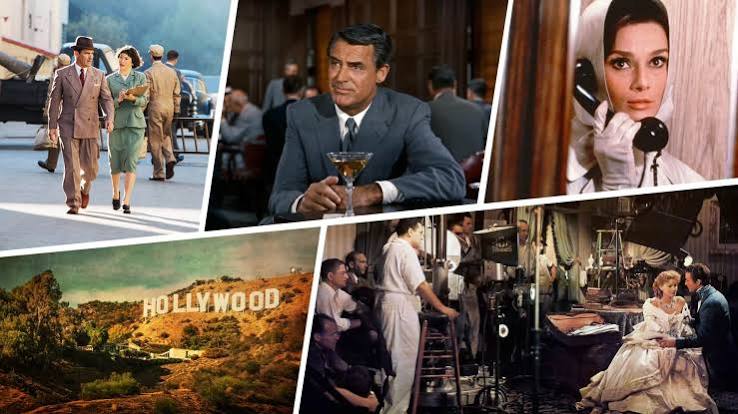
    When we think of Hollywood’s Golden Age, we picture glamorous stars, sweeping epics, and timeless classics like Casablanca and Singin’ in the Rain. But behind the silver screen was a powerful machine: the studio system. This vertically integrated model—where a single company controlled production, distribution, and exhibition—didn’t just create movies; it invented modern cinema as we know it.

    From the late 1920s to the early 1960s, the Big Five studios (MGM, Paramount, Warner Bros., 20th Century Fox, and RKO) operated like factories, churning out films with assembly-line precision. They built stars from scratch, enforced strict moral codes, and shaped the way stories were told. While the system eventually crumbled under antitrust laws and the rise of television, its DNA remains embedded in today’s blockbuster culture, franchise filmmaking, and even the way we talk about directors and actors.

    In this article, we’ll explore how the studio system worked, why it fell, and how its legacy continues to influence the movies we watch today.

    The Birth of the Studio System

    The studio system didn’t emerge overnight. In the early 1900s, cinema was a chaotic free-for-all, with independent producers, exhibitors, and distributors battling for control. Thomas Edison’s Motion Picture Patents Company (MPPC) tried to monopolize the industry with patents, but it collapsed by 1918. The void was filled by ambitious entrepreneurs who saw the potential in vertical integration—owning every step of the movie-making process.

    By the 1920s and 1930s, the Big Five had consolidated their power. They bought up theater chains, locked talent into long-term contracts, and built massive studio lots in Hollywood. This wasn’t just about making movies; it was about controlling the entire pipeline. A film would be conceived, written, shot, edited, and distributed—all under one roof. The studios even owned the theaters where the films played, guaranteeing an audience and a steady revenue stream.

    The Assembly Line of Dreams

    Inside the studio walls, movies were produced like cars on an assembly line. Scripts were developed in-house, sets were reused across productions, and genres were standardized to maximize efficiency. MGM became known for its glamorous musicals, Warner Bros. for gritty crime dramas, and Universal for horror. This specialization gave each studio a distinct identity, a “house style” that audiences came to recognize.

    The star system was the engine of this machine. Actors were signed to seven-year contracts with options, giving studios complete control over their careers. Publicity departments manufactured their images, dictating everything from their hairstyles to their personal lives. Stars like Humphrey Bogart, Katharine Hepburn, and Marilyn Monroe were not just performers—they were products, carefully packaged and marketed to the public. The system could be brutal: actors were overworked, underpaid, and often trapped in roles that typecast them for life. Judy Garland’s struggles with pills and Bette Davis’s legal battles with Warner Bros. are stark reminders of the human cost.

    The Hays Code: Censorship and Creativity

    From 1934 to 1968, the Hays Code (officially the Motion Picture Production Code) dictated what could and couldn’t be shown on screen. Enforced by Joseph Breen, the code banned explicit violence, sexual content, and any depiction of “immorality.” Crime couldn’t pay, couples had to sleep in separate beds, and villains always got their comeuppance.

    While the code was restrictive, it also forced filmmakers to be creative. Directors like Alfred Hitchcock and Billy Wilder used innuendo and suggestion to imply what they couldn’t show, creating a sophisticated language of subtext. The code also shaped narrative conventions: the classic three-act structure, with its clear moral resolution, became the standard. When the code finally loosened in the late 1960s, it paved the way for a new era of cinematic freedom—but its influence on storytelling persists.

    The Paramount Decree and the Fall

    The studio system’s downfall began with the Paramount Decree of 1948. The U.S. Supreme Court ruled that the majors’ vertical integration violated antitrust laws, forcing them to sell their theater chains. Without guaranteed exhibition, the economic foundation crumbled. At the same time, television was stealing audiences, and the Hollywood blacklist (from the HUAC hearings) was silencing creative voices.

    By the early 1960s, the Golden Age was over. Studios shifted to financing independent productions and selling off their backlots. But the legacy of the system was far from dead. The studios adapted, and their influence can still be felt in every corner of modern cinema.

    The Legacy: How the Studio System Lives On

    Today, the studio system has evolved into the franchise era. The Big Five (now including Disney, Universal, Warner Bros., Sony, and Paramount) still dominate, but instead of owning theaters, they own intellectual property. The assembly-line approach is now applied to superhero movies and sequels, with interconnected universes and formulaic structures. The star system has been replaced by the influencer economy, but studios still carefully craft public images for their actors.

    Even the auteur theory—the idea that the director is the author of a film—was born as a reaction to the studio system. French critics in the 1950s championed directors like Hitchcock and Ford, arguing that their personal vision shone through despite the constraints of the system. This debate continues today: are blockbusters the work of a single visionary or a corporate committee?

    The Hays Code’s legacy is visible in the ratings system (G, PG, PG-13, R) that replaced it, and in the ongoing culture wars over representation and censorship. And the studio system’s emphasis on genre and spectacle still shapes what gets greenlit. When you watch a Marvel movie or a Netflix original, you’re seeing the ghost of the Golden Age—a system that, for all its flaws, created the language of modern cinema.

    The Golden Age of Hollywood was a paradox: a factory that produced art, a machine that created magic. The studio system was exploitative, censorious, and monopolistic, yet it gave us some of the most beloved films of all time. Its collapse didn’t erase its influence; it merely transformed it. Today’s studios, streaming platforms, and filmmakers still operate in the shadow of that era, using its techniques, conventions, and star-making machinery. Understanding the studio system isn’t just a history lesson—it’s a key to understanding how movies are made, marketed, and remembered.

    Summary

    • The studio system (1920s–1960s) was a vertically integrated model where studios controlled production, distribution, and exhibition.
    • The Big Five (MGM, Paramount, Warner Bros., 20th Century Fox, RKO) dominated, creating assembly-line films and manufactured stars.
    • The Hays Code (1934–1968) imposed strict moral censorship, shaping narrative conventions and forcing creative subtext.
    • The 1948 Paramount Decree broke up the system by forcing studios to sell their theaters, leading to its decline.
    • The system’s legacy persists in franchise filmmaking, the star system, genre conventions, and the ongoing debate over authorship.

    FAQ

    Q: What was the studio system?
    A: The studio system was a business model in Hollywood from the 1920s to the 1960s where a few major studios controlled every aspect of a film’s life—production, distribution, and exhibition (theaters). This vertical integration allowed them to dominate the industry and produce films efficiently.

    Q: Why did the studio system end?
    A: The system ended primarily due to the 1948 Paramount Decree, a Supreme Court ruling that declared the studios’ ownership of theaters a violation of antitrust laws. Combined with the rise of television and the Hollywood blacklist, this dismantled the economic foundation of the system.

    Q: What was the Hays Code?
    A: The Hays Code was a set of moral guidelines enforced from 1934 to 1968 that dictated what could be shown in films. It banned explicit violence, sex, and “immorality,” and required that crime be punished and marriage respected. It shaped the content and storytelling of Golden Age films.

    Q: How did the studio system affect actors?
    A: Actors were signed to long-term contracts (often seven years) that gave studios control over their roles, public image, and even personal lives. While this created stars, it also led to exploitation, typecasting, and personal struggles for many performers.

    Q: Does the studio system still exist today?
    A: Not in its original form, but its legacy lives on. Modern studios still dominate the industry, but they focus on owning intellectual property (like franchises) rather than theaters. The star system, genre conventions, and corporate control of filmmaking all trace back to the Golden Age.

  • How the Studio System Forged Modern Cinema: Lessons from Hollywood’s Golden Age

    How the Studio System Forged Modern Cinema: Lessons from Hollywood’s Golden Age

    When you settle into a movie theater today, you’re experiencing a legacy shaped by an era when Hollywood operated like a dream factory—literally. From the late 1920s to 1960, a handful of studios controlled nearly every aspect of filmmaking, from the scripts to the stars to the theaters where audiences watched. This vertical integration, known as the studio system, produced an astonishing volume of films and defined genres, visual styles, and storytelling norms that still underpin modern cinema.

    But the Golden Age wasn’t just about business efficiency. It was a cultural phenomenon that turned actors into icons, perfected genres like film noir and the musical, and created a visual language that became the global standard. Understanding this era isn’t just a history lesson—it’s a key to decoding why movies look and feel the way they do today. In this article, we’ll explore how the studio system’s innovations, constraints, and eventual collapse left an indelible mark on filmmaking, from the assembly-line production model to the rise of the blockbuster.

    The Machinery of the Dream Factory

    At its peak, the studio system operated like a well-oiled machine. The Big Five—MGM, Warner Bros., Paramount, 20th Century-Fox, and RKO—owned production studios, distribution networks, and theater chains. This vertical integration meant a film made in Hollywood was guaranteed a nationwide release, creating a captive audience. The Little Three—Universal, Columbia, and United Artists—operated on a smaller scale but still thrived within the system.

    This assembly-line approach allowed studios to churn out 400–500 films per year combined. Weekly attendance hit 90 million Americans in 1946, roughly 65% of the population. To keep up with demand, studios employed in-house writers, directors, technicians, and actors under exclusive contracts. Stars like Judy Garland and Humphrey Bogart were groomed for specific roles, their public images meticulously managed by studio publicity departments. The system was efficient, but it also stifled creative freedom—actors often had little say in their projects, and directors worked within strict genre conventions.

    Genre Codification: Templates That Endure

    One of the most enduring legacies of the Golden Age is the codification of genres. Studios perfected the western, the musical, the screwball comedy, and film noir, establishing narrative formulas that remain templates today. For instance, the western’s classic structure—the lone hero, the frontier setting, the moral showdown—was refined in films like Stagecoach (1939) and The Searchers (1956). Musicals like Singin’ in the Rain (1952) set the standard for integrating song and dance into storytelling, a formula still used in modern hits like La La Land.

    Film noir, with its shadowy visuals and cynical protagonists, emerged in the 1940s as a distinct genre, influenced by German Expressionism and hardboiled fiction. Its visual style—low-key lighting, skewed camera angles—was a direct result of studio constraints, where directors had to work with limited sets and artificial lighting. This aesthetic, born of necessity, has been revived countless times in neo-noir films like Chinatown (1974) and Blade Runner (1982).

    The Invisible Style: How Classical Hollywood Shaped Storytelling

    The Golden Age also established the “invisible style” of filmmaking—a set of conventions designed to make the audience forget they’re watching a movie. Continuity editing, which ensures smooth, logical transitions between shots, became the norm. Cause-and-effect plotting, motivated lighting, and seamless sound design all worked together to create a immersive, realistic experience. This classical Hollywood narrative became the global default, influencing filmmakers from Japan to Italy to India.

    Directors like Orson Welles pushed the boundaries of this style with deep-focus cinematography in Citizen Kane (1941), allowing multiple planes of action to remain in sharp focus. This technique, along with innovative sound and editing, demonstrated that the studio system could foster artistic experimentation, even within its constraints.

    The Hays Code: Censorship and Creativity

    The Production Code, enforced from 1934 to 1968, imposed strict moral guidelines on content. No nudity, no “sympathetic” criminals, and a mandate for “compensating moral values” meant that films had to uphold a certain ethical standard. This censorship was a response to scandals like the Fatty Arbuckle trial and was designed to avoid government regulation.

    While the Code restricted subject matter, it also forced filmmakers to be creative. Directors used innuendo, visual metaphor, and clever dialogue to suggest what couldn’t be shown. For example, the famous “cigarette scene” in Now, Voyager (1942) conveys a sexual relationship through a shared smoke. This indirect approach gave Golden Age films a sophistication that modern audiences still admire.

    The Decline: What Broke the System?

    The studio system began to unravel with the Paramount Decree of 1948, when the Supreme Court ruled that vertical integration violated antitrust laws. Studios were forced to sell their theater chains, breaking the guaranteed distribution model. This, combined with the rise of television—by 1955, over half of American homes had a TV—eroded the industry’s dominance.

    Studios responded with spectacle: widescreen formats like CinemaScope, Technicolor, and epic productions like Ben-Hur (1959) to lure audiences away from the small screen. But the contract system was already crumbling. Stars and directors began forming independent production companies, seeking creative control and a share of profits. By 1960, the Golden Age was over, replaced by a more fragmented, risk-averse industry that would eventually give rise to the blockbuster era.

    Lasting Legacy: From Golden Age to Modern Cinema

    Despite its decline, the studio system’s influence is everywhere. The genres it codified—from the superhero movie (a modern-day western) to the romantic comedy (a descendant of the screwball)—still dominate box offices. The invisible style remains the default for mainstream filmmaking, even as auteurs like Christopher Nolan and Quentin Tarantino play with its conventions.

    The star system, too, has evolved but persists. Today’s actors are brands, managed by PR teams and social media, much like the contract players of old. And the studio model, while no longer vertically integrated, has seen a resurgence in the form of conglomerates like Disney, which own production, distribution, and streaming platforms—a modern echo of the Big Five.

    Conclusion

    The Golden Age of Hollywood was more than a nostalgic era; it was a crucible that forged the language of cinema. The studio system’s assembly-line efficiency, genre codification, and visual innovations created a foundation that filmmakers still build upon. While the system’s constraints were often criticized, they also bred creativity, and its collapse paved the way for new voices and independent visions. Understanding this history helps us appreciate the movies we watch today—and the invisible hand of the dream factory that still shapes them.

    The Golden Age of Hollywood wasn’t just a period of glitz and glamour—it was a transformative era that established the very grammar of filmmaking. From the assembly-line production model to the codification of genres and the invisible style, the studio system’s innovations continue to influence how stories are told on screen. As we watch modern blockbusters and indie gems alike, we’re seeing the echoes of a system that, despite its flaws, created an enduring legacy. The dream factory may have closed its doors, but its dreams still play on.

    Summary

    • The studio system (1927–1960) was a vertically integrated model where studios controlled production, distribution, and exhibition, enabling a high volume of films and a captive audience.
    • Genres like film noir, the musical, and the screwball comedy were codified during this era, providing templates that modern films still follow.
    • The “invisible style” of classical Hollywood—continuity editing, cause-and-effect plotting, and seamless sound—became the global standard for narrative filmmaking.
    • The Hays Code imposed strict moral censorship, but it also forced filmmakers to use innuendo and metaphor, adding sophistication to Golden Age films.
    • The Paramount Decree (1948) and the rise of television led to the system’s decline, but its legacy persists in modern studio conglomerates, star branding, and genre conventions.

    FAQ

    Q: What exactly was the studio system?
    A: The studio system was a business model where a few major studios (MGM, Warner Bros., Paramount, 20th Century-Fox, RKO) controlled every stage of filmmaking—production, distribution, and exhibition—through vertical integration. This allowed them to produce films efficiently and guarantee their release in theaters they owned.

    Q: How did the Hays Code affect filmmaking?
    A: The Hays Code, enforced from 1934 to 1968, imposed strict moral guidelines, banning nudity, sympathetic criminals, and requiring “compensating moral values.” This censorship forced filmmakers to use innuendo and visual metaphor, which often added a layer of sophistication to films.

    Q: Why did the Golden Age end?
    A: The Golden Age ended due to a combination of factors: the Paramount Decree (1948) forced studios to sell their theater chains, breaking their monopoly; the rise of television in the 1950s reduced movie attendance; and the contract system collapsed as stars and directors sought independence.

    Q: What are some enduring innovations from this era?
    A: Key innovations include genre codification (westerns, musicals, noir), the invisible style of editing and narrative, Technicolor and widescreen formats, and the star system, which evolved into modern celebrity branding.

    Q: How does the studio system influence today’s movies?
    A: Modern studios like Disney use a similar model of vertical integration, owning production, distribution, and streaming platforms. Genres and storytelling conventions from the Golden Age remain the foundation of mainstream cinema, and the star system persists in the form of actor branding and franchise casting.