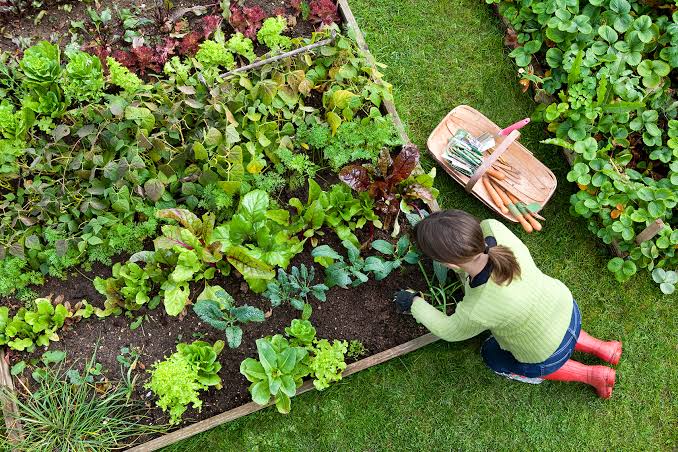
Dreaming of a lush, verdant backyard but worried about the cost? You’re not alone. The average American household spends between $500 and $1,000 a year on lawn and garden care. But here’s the secret: a stunning garden doesn’t have to drain your wallet. With a little creativity and some resourcefulness, you can cultivate a thriving oasis for a fraction of the price.
In this guide, we’ll share 13 practical, science-backed hacks that can cut your gardening costs by 40–60%—without sacrificing beauty or yield. From turning kitchen scraps into nutrient-rich compost to making your own drip irrigation from recycled bottles, these strategies are perfect for first-time homeowners, renters with balconies, and anyone who wants a gorgeous garden on a budget. Let’s dig in!
1. Save Seeds from Your Best Plants
Why buy new seed packets every year when your garden is already producing? Seed saving is a time-honored practice that costs nothing and preserves the traits you love. Simply let a few of your healthiest plants go to seed, harvest the seeds, dry them, and store them in a cool, dark place. This can save you $3–$8 per packet annually. Just be cautious: hybrid (F1) seeds won’t produce true-to-type offspring, and some patented varieties are legally restricted. Stick with open-pollinated or heirloom varieties for best results.
2. Multiply Plants with Cuttings
Propagation via cuttings is one of the most rewarding budget hacks. Many popular plants—like pothos, mint, rosemary, and hydrangeas—can be rooted in water or soil with minimal effort. Take a 4–6 inch cutting from a healthy stem, remove the lower leaves, and place it in water or moist potting mix. Within weeks, you’ll have a new plant. This technique lets you expand your garden for free, and it’s incredibly satisfying to watch roots develop.
3. Build a Simple Compost Bin
Composting is the ultimate zero-waste hack. By recycling kitchen scraps (fruit and vegetable peels, coffee grounds, eggshells) and yard waste (leaves, grass clippings), you create rich, free fertilizer that eliminates the need to buy commercial products. The key is maintaining the right carbon-to-nitrogen ratio—roughly 3 parts browns (dry leaves, cardboard) to 1 part greens (food scraps, grass). Avoid meat, dairy, and oily foods, which attract pests and slow decomposition. A simple bin made from wood pallets or wire fencing works perfectly.
4. Mulch with Free Materials
Mulching is essential for retaining moisture, suppressing weeds, and regulating soil temperature. Instead of buying bagged mulch, look around your property. Fallen leaves, grass clippings, and even cardboard (as a weed barrier) are excellent, free options. Spread a 2–3 inch layer around your plants, and you’ll reduce watering needs and keep weeds at bay. It’s a win-win for your garden and your wallet.
5. Create DIY Drip Irrigation with Recycled Bottles
Watering can be a significant expense, especially in dry climates. But you can make your own drip irrigation system using recycled plastic bottles. Poke small holes in the cap or sides, bury the bottle next to a plant, and fill it with water. The water will slowly seep into the soil, delivering moisture directly to the roots. This method conserves water and ensures your plants get a steady supply, even when you’re away.
6. Repurpose Containers for Gardening
You don’t need expensive pots and planters. Almost anything can become a container: buckets, tin cans, wooden pallets, even old tires. Just ensure proper drainage by drilling holes in the bottom. For a cohesive look, paint or wrap them in burlap. Container gardening is especially useful for renters or those with limited space—you can grow herbs, vegetables, and flowers on a balcony or patio.
7. Practice Companion Planting for Natural Pest Control
Companion planting is a time-tested method that pairs plants to benefit each other. For example, marigolds deter nematodes and aphids when planted near tomatoes, while basil enhances the flavor of peppers and repels flies. By strategically placing these partnerships, you reduce the need for chemical pesticides, saving money and promoting a healthier ecosystem. It’s a simple, effective hack that any gardener can use.
8. Reuse Greywater for Watering
Why let perfectly good water go down the drain? Greywater from your dehumidifier, rain barrel, or cooled cooking water (like pasta water) can be used to hydrate your plants. Just avoid water from washing machines or dishwashers that may contain harsh chemicals. This eco-friendly practice reduces your water bill and conserves a precious resource. It’s a small change with a big impact.
9. Buy Bare-Root or Small Starter Plants
When you do need to purchase plants, opt for bare-root or small starter specimens instead of mature, potted ones. Bare-root plants are typically 50–70% cheaper and establish quickly once planted. Small starters also cost less and adapt to your soil better than larger transplants. The initial investment is lower, and your garden will still flourish within a season.
10. Tap into Free Local Resources
Many communities offer free gardening resources you might not know about. Municipal compost giveaways, seed libraries, plant swaps, and Facebook “Buy Nothing” groups are goldmines for budget gardeners. You can score free soil amendments, seeds, cuttings, and even pots. Building connections with local gardeners also provides valuable advice and support. It’s a community-driven way to save money and grow your garden.
11. Invest in Perennials for Long-Term Savings
Perennials are the gift that keeps giving. Unlike annuals, which need replanting each year, perennials like asparagus, rhubarb, and many herbs return year after year. While they may cost more upfront, the long-term savings are substantial. Over time, you’ll spend less on plants and enjoy a more established, resilient garden. It’s a smart investment for any budget-conscious gardener.
12. Make Your Own Pest Control Sprays
Commercial pesticides can be pricey and harsh on the environment. Instead, whip up effective DIY sprays using household items. A simple soap spray (1 tablespoon of mild dish soap per quart of water) tackles aphids and mites. Neem oil, diluted with water, works wonders on a variety of pests. Diatomaceous earth, available at garden centers, is an inexpensive, non-toxic powder that kills insects by dehydrating them. These homemade solutions are gentle on your garden and your wallet.
13. Go Vertical to Maximize Space and Yield
Vertical gardening is a brilliant way to grow more in less space. Use trellises, wall-mounted planters, or hanging baskets to cultivate climbing plants like beans, cucumbers, and tomatoes. This not only maximizes your yield per square foot but also adds visual interest to your backyard. You can even repurpose pallets into vertical gardens, creating a stunning green wall. It’s a space-saving hack that pays off in abundance.
Bonus Hack: The Time-Investment Trade-Off
Some of these hacks require more time and effort than money. Building a compost bin, hand-watering with DIY systems, or propagating cuttings all take labor. But that’s part of the joy of gardening—getting your hands dirty and watching your efforts bloom. Remember, “free” doesn’t mean no cost; it’s a trade-off of time for savings. Choose the hacks that fit your schedule and energy level, and you’ll reap the rewards.
Gardening on a budget isn’t about sacrificing beauty or productivity—it’s about being resourceful and intentional. By implementing these 13 hacks, you can create a lush, thriving backyard while saving up to 60% on gardening costs. Whether you’re growing your own food, cultivating a serene retreat, or simply enjoying the process, these strategies empower you to garden smarter, not harder. Start with a few that resonate with you, and watch your garden—and your savings—grow.
Summary
- Save seeds and take cuttings to propagate plants for free.
- Compost kitchen scraps to create nutrient-rich fertilizer without spending a dime.
- Mulch with free materials like leaves and grass clippings to retain moisture and suppress weeds.
- DIY drip irrigation from recycled bottles conserves water and cuts costs.
- Repurpose containers and go vertical to maximize space and minimize expenses.
- Companion planting and homemade pest sprays reduce the need for costly chemicals.
- Invest in perennials and tap into free community resources for long-term savings.
FAQ
Q: Are all these gardening hacks scientifically proven?
A: Most are backed by horticultural science, such as composting principles, companion planting benefits, and propagation techniques. However, some DIY pest sprays and greywater reuse require careful application—always research and test a small area first.
Q: What’s the biggest mistake to avoid when gardening on a budget?
A: Trying every hack at once. Start with 2–3 that fit your space and time, and gradually incorporate more. This prevents overwhelm and reduces the risk of costly failures.
Q: Can I really save 40–60% on gardening costs?
A: Yes, according to extension service estimates, a well-executed budget garden can reduce annual expenses by that range. The key is consistency—like composting regularly and saving seeds each year.
Q: Is it safe to use greywater on edible plants?
A: Only use greywater from dehumidifiers, rain barrels, or cooled cooking water. Avoid water from washing machines or dishwashers that may contain chemicals harmful to plants or humans.
Q: Do I need a large backyard to benefit from these hacks?
A: No, many hacks are perfect for container or vertical gardening on balconies and patios. Even small spaces can yield herbs, vegetables, and beautiful flowers.