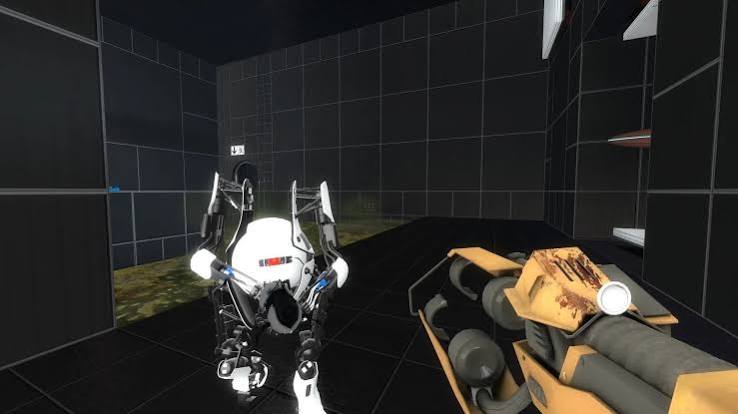
In early August 2026, a data dump of approximately 12 terabytes hit the internet, and the PC gaming community is still reeling. Dubbed the ‘Teraleak,’ this massive release contains what appears to be over a decade of Steam-related content—game builds, source code, internal assets, and possibly unreleased titles from numerous developers and publishers. For preservationists, it’s a goldmine; for rights holders, a nightmare; for the rest of us, a fascinating glimpse into gaming’s hidden corners.
This isn’t the first time a leak has shaken the gaming world. In 2020, the ‘Gigaleak’ exposed Nintendo’s early Pokémon and Mario source code, becoming a landmark event for historians. But the Teraleak dwarfs that in sheer volume—12 terabytes is roughly 200 times larger. The scale alone makes it unprecedented, and what it contains could rewrite parts of PC gaming’s fragile history.
How Did This Happen?
Steam, Valve’s digital distribution platform, has long relied on a system where developers upload ‘depots’—essentially builds of their games—to Valve’s servers for distribution to players. Access to these depots is tightly controlled, usually restricted to the owning developer or publisher accounts. So how did 12TB of this content end up public?
The leak is believed to have originated from a compromised third-party developer or partner account with access to Steam’s backend build distribution system, often referred to as ‘SteamPipe.’ This isn’t a direct breach of Valve’s core infrastructure—the company’s own servers appear untouched. Instead, it’s a credential compromise, possibly involving phishing or a rogue employee, that gave the leaker access to multiple partners’ content. This distinction matters: Valve didn’t get hacked, but their partner ecosystem did.
The exact method remains unclear, and security researchers are poring over the technical details. Did the leaker exploit a single account with broad permissions? Or did they piece together access from several? The post-mortem will be of high interest to the cybersecurity community, as it highlights a vulnerability in any platform that relies on third-party trust.
What’s Inside the Teraleak?
The contents are still being catalogued, but early reports paint a picture of decades of PC gaming history. Here’s what’s been spotted so far:
- Build versions of games: This includes early alpha and beta builds, some dating back over a decade. For example, there are reportedly builds of games that were never released, or versions that differ significantly from what players eventually saw.
- Source code: Proprietary code for games and engines is present, which could be a goldmine for modders but a legal minefield for rights holders. Trade secrets like anti-cheat implementations are also reportedly in there.
- Internal development assets: Concept art, design documents, and even internal emails are included. For fans, this is like opening a time capsule to see what developers were thinking years ago.
- Unreleased or cancelled titles: The most tantalizing aspect. There are whispers of games that were announced and then vanished, or projects that never got past early development. Names are trickling out, but the community is still verifying what’s real.
The leak isn’t limited to Valve’s own games—it spans content from numerous third-party developers and publishers who use Steam. This breadth is what makes it a ‘teraleak’ rather than just a Valve-specific dump.
Why PC Gaming History Is So Fragile
To understand why this leak matters, you need to understand how PC gaming history is often lost. Unlike consoles, which have physical cartridges or discs that can be preserved and archived, PC games are increasingly distributed online. When a game is delisted from a storefront—say, because of licensing issues or a studio closure—its digital builds can vanish permanently. No physical copy exists to fall back on.
DRM and online-only requirements compound the problem. A game that requires a server check to run might become unplayable if that server goes down. This fragility means that ‘lost’ PC games are a real phenomenon, not just a nostalgic myth.
The Teraleak, then, is a potential treasure trove of content that was thought to be gone forever. For preservationists, it’s an unmitigated win—a chance to archive builds and code that would otherwise be lost to time. They’re racing to download and catalogue as much as possible before it’s taken down.
The Gigaleak Precedent
The most comparable event is the 2020 ‘Gigaleak’ of Nintendo data. That leak exposed early Pokémon and Mario source code, design documents, and prototypes, and it became a watershed moment for gaming historians. It proved that leaks could be a legitimate source of historical material, even if the means were illegal.
The Teraleak is being compared to the Gigaleak in significance, but it’s far larger in raw data volume. The Gigaleak was measured in gigabytes; this is terabytes. The sheer scale means that cataloguing will take months, if not longer, and the full picture of what’s inside won’t be known for a while.
However, the Gigaleak also set a precedent for how rights holders respond. Nintendo was aggressive with takedowns and legal action, and we can expect publishers and developers to follow suit here. DMCA notices are likely already flying, and major distributors of the data may face legal consequences.
The ‘Lost Media’ Community Takes the Lead
Behind much of the initial cataloguing effort is the ‘lost media’ community—a loose network of enthusiasts on forums like Reddit’s r/lostmedia and various archival Discord servers. These are people who actively seek out deleted, cancelled, or unreleased games, and they’ve been waiting for a moment like this.
They treat the Teraleak as a major event, and they’re driving the effort to identify what’s inside. Their work is painstaking: verifying files, checking hashes, and cross-referencing with known game histories. They’re also the ones spreading the word about what’s been found, which is how the rest of us are learning about it.
But their enthusiasm also puts them at odds with rights holders. Downloading and redistributing copyrighted material is illegal, even if the motives are preservationist. The community walks a fine line between archiving history and pirating content.
What Rights Holders Think
For publishers and developers, the Teraleak is a massive IP violation. The leaked content includes proprietary code, trade secrets, and unreleased material—things they never intended to be public. They’re likely to pursue DMCA takedowns and legal action against the leaker and anyone hosting the data.
There’s also a practical concern: some of the code might contain vulnerabilities or anti-cheat implementations that, if exposed, could be exploited. This isn’t just about embarrassment; it’s about security.
However, not all developers will see it that way. Some might be nostalgic about old builds or even happy to see cancelled projects get attention. But the official stance will almost certainly be legal and defensive.
Valve’s Response (or Lack Thereof)
As of the article’s writing, Valve has not issued a public statement. This silence is characteristic of the company, which has a reputation for being hands-off about content on its platform. But the Teraleak presents a reputational and security challenge that they can’t ignore forever.
Valve will need to reassure developers that their content is safe, even if the breach was in a partner account rather than their own servers. They may be forced to implement new security measures—mandatory two-factor authentication for partners, stricter access controls, or more granular permissions for depot access.
The response will shape both the legal handling of the leak and the long-term security of Steam’s ecosystem. For now, the community waits.
The General Public’s Curiosity
Beyond the legal and historical angles, many gamers are simply curious. They want to see cut content from their favorite games, or find titles they remember from childhood that seemed to disappear. Some are even hoping for internal developer drama—emails or design docs that reveal what really happened behind the scenes.
This curiosity is driving traffic to archive sites and forums, and it’s turning the Teraleak into a cultural moment. But it also risks overshadowing the more serious issues: the security breach, the IP violations, and the ethical questions about preservation versus piracy.
What Happens Next?
The coming weeks and months will be crucial. Cataloguing will continue, and more contents will be revealed. Rights holders will push back, potentially leading to takedowns that force the data underground. Valve will have to respond eventually, and their actions will set a precedent for how similar leaks are handled in the future.
For now, the Teraleak remains a chaotic, evolving story. It’s a reminder of how fragile digital history is, and how a single security lapse can expose years of work. Whether it’s ultimately seen as a victory for preservation or a cautionary tale about security, it’s already made its mark on PC gaming history.
The 12TB Steam Teraleak is more than just a massive data dump—it’s a window into a decade of PC gaming that was thought to be lost. As the community catalogues its contents, we’re likely to see both treasures and troubles emerge. For now, it’s a story about the tension between preserving history and respecting intellectual property, and about the fragility of digital media in an age of online distribution.
Summary
- A 12TB data leak, dubbed the ‘Teraleak,’ has exposed over a decade of Steam-related content, including game builds, source code, and unreleased titles.
- The leak likely originated from a compromised third-party developer account, not a breach of Valve’s core servers.
- Preservationists see it as a goldmine of lost PC gaming history, while rights holders face a massive IP violation.
- The 2020 Nintendo ‘Gigaleak’ is a precedent, but the Teraleak is far larger in scale.
- The ‘lost media’ community is leading the cataloguing effort, but legal takedowns are expected.
FAQ
Q: Was Steam itself hacked?
A: No, the leak is believed to have originated from a compromised third-party developer or partner account, not a direct breach of Valve’s infrastructure.
Q: What kinds of content are in the Teraleak?
A: It includes game builds, source code, internal development assets like concept art and design documents, and potentially unreleased or cancelled titles.
Q: Is it legal to download the leaked data?
A: Downloading and redistributing copyrighted material is illegal, even for preservation purposes, and rights holders are expected to issue takedowns.
Q: How does this compare to the Nintendo Gigaleak?
A: The Gigaleak in 2020 exposed Nintendo source code and prototypes, but the Teraleak is far larger—12TB versus gigabytes—and spans multiple publishers.
Q: What is Valve’s response so far?
A: As of the article’s writing, Valve has not issued a public statement, but they will likely need to address security concerns and reassure developers.