The idea of quitting your day job within a year isn’t just a fantasy—it’s a structured goal that thousands of professionals have achieved. The 12-month timeline, popularized by books like Quit Like a Millionaire and The 4-Hour Workweek, offers a realistic yet ambitious runway. It’s not about getting rich quick; it’s about systematically building an alternative income stream that can replace your salary, while de-risking the leap.
Here’s the reality: the average side hustler in the U.S. earns about $891 per month, according to a 2023 Bankrate survey. That’s far from a full paycheck. So, the strategies below aren’t about working harder—they’re about working smarter, focusing on the highest-leverage moves that can actually close the gap between your current income and your freedom number.
1. The Skill Arbitrage Strategy: Sell What You Already Know
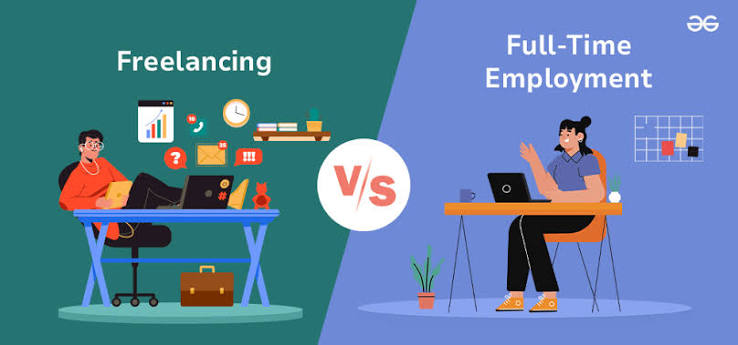
The fastest way to generate income is to package your existing corporate skills—marketing, finance, coding, HR, design—and sell them as a freelancer or consultant. You don’t need to learn a new trade or build a product from scratch. Your network is already a warm lead pool.
Why it works: You skip the learning curve and the slow business development phase. You can land your first client within a week by simply emailing former colleagues or posting on LinkedIn.
Example: A marketing manager at a tech company starts taking on small social media consulting projects on the side. Within 6 months, she’s earning $2,000 a month—enough to cover half her salary. By month 12, she’s replaced her full income and quits to consult full-time.
Watch out for: The trap of trading one boss for many. Freelancing can feel like the same grind, just with more clients. Set boundaries and raise your rates as you gain traction.
2. The Digital Product Strategy: Create Once, Sell Repeatedly
Instead of trading time for money, build a digital product—an online course, an ebook, a SaaS tool—that can be sold to an unlimited number of customers. This is the path to true passive income, but it’s rarely passive at the start. Expect 6–18 months of intense creation and marketing before you see significant revenue.
Why it works: Once the product is built, the marginal cost of each sale is near zero. A $50 ebook sold to 200 people a month is $10,000 in monthly revenue.
Example: A former teacher creates a course on “Classroom Management for New Teachers” and sells it on Udemy. In the first year, it earns $500/month; by year two, it’s $3,000/month—enough to quit her teaching job.
Watch out for: The market is crowded. Your product must solve a specific, painful problem better than existing options. Don’t build in a vacuum—validate your idea with presales or waitlists before investing months of work.
3. The E-Commerce Strategy: Sell Physical Products Online
Dropshipping or private label selling on platforms like Amazon or Shopify has a low barrier to entry. You don’t need to hold inventory (dropshipping) or you can create a simple branded product (private label). This strategy can scale quickly but requires sharp marketing skills and the ability to navigate platform fees and competition.
Why it works: The global e-commerce market is massive, and consumers are comfortable buying from small brands. You can test products with minimal upfront capital.
Example: A fitness enthusiast starts a dropshipping store selling resistance bands. After a few failed products, he hits on a bestseller—a portable pull-up bar. He reinvests profits into Facebook ads, and by month 12, the store clears $5,000/month in profit, allowing him to leave his warehouse job.
Watch out for: Margins can be thin, and you’re at the mercy of suppliers and platform algorithms. Avoid the common mistake of selling generic dropshipped items from AliExpress—the market is saturated. Instead, focus on a niche with a passionate audience.
4. The Real Estate Strategy: House Hacking or Short-Term Rentals
Real estate can provide both cash flow and long-term appreciation, but it requires capital and effort. House hacking—buying a multi-unit property, living in one unit, and renting out the others—can drastically reduce your living expenses, effectively lowering the income you need to quit. Short-term rentals (like Airbnb) can generate higher monthly revenue than long-term leases but come with more management.
Why it works: Real estate is a tangible asset that builds equity, and rental income is often more stable than business income. The 2021–2022 housing boom also created opportunities for refinancing and equity extraction.
Example: A software engineer buys a duplex using an FHA loan with 3.5% down. He lives in one unit and rents the other for $1,500/month, covering most of his mortgage. His living costs drop by $800/month, meaning he needs less income to quit his job. After a year, he adds a short-term rental in a nearby city, generating an additional $2,000/month.
Watch out for: Real estate is illiquid and requires active management unless you hire a property manager (which eats into profits). Market downturns can hurt occupancy and rents. Start small and conservative.
5. The Investment Strategy: Dividend Stocks and Index Funds
This is the slowest but most reliable path. By investing aggressively for 12 months, you won’t achieve financial independence, but you can build a meaningful side income. Focus on dividend-paying stocks or index funds with a focus on growth. The 4% rule—withdrawing 4% of your portfolio annually—is the FIRE movement’s benchmark, but for a 12-month plan, you’re just trying to generate a supplemental income.
Why it works: It’s passive and low-maintenance. You don’t need to be an expert; a simple S&P 500 index fund has historically returned ~7–10% annually. With a $50,000 investment, you could generate $3,500–5,000 in dividends per year, or about $300–400/month.
Example: A project manager with a $30,000 savings account moves it into a dividend-focused ETF. By month 12, he’s earning $150/month in dividends. It’s not enough to quit, but combined with a small freelance side gig, it tips him over his income replacement threshold.
Watch out for: This strategy won’t get you to quit in 12 months alone unless you have a large lump sum. It’s best used as a supplement to other income streams or as a long-term play after you’ve already quit.
6. The Lifestyle Design Strategy: Cut Expenses, Not Just Income
Instead of focusing solely on the income side, reduce your expenses so you need less money to live. This can be done through geo-arbitrage (moving to a cheaper location), minimalism, or van life. The goal is to lower your “freedom number”—the monthly income you need to cover your basic costs.
Why it works: It’s the fastest way to close the gap between your income and expenses. If you can cut your monthly spending from $5,000 to $3,000, you only need to replace $3,000 in income, not $5,000.
Example: A graphic designer moves from San Francisco to a small town in Portugal, where her rent drops from $2,500 to $800. She also downsizes her lifestyle: no more $200/week dining out. Her monthly expenses fall from $6,000 to $2,500. She then takes on a part-time remote design contract that pays $3,000/month—and quits her full-time job.
Watch out for: This approach may not match your desired lifestyle. But it gives you freedom sooner, and you can always move back when your income grows. It’s not about deprivation; it’s about intentionality.
Quitting your 9-to-5 in 12 months is ambitious, but achievable with the right mix of strategy, discipline, and a willingness to adapt. The most successful escapes combine income-building with expense-cutting, and they always build an emergency fund first—ideally 6–12 months of expenses. Start with one strategy, master it, then layer on a second. The journey may be demanding, but the payoff is a life designed on your terms.
Summary
- Blend income and expense strategies: Combine a side income with lifestyle cuts to close the gap faster.
- Skill arbitrage is the fastest path: Sell your existing corporate expertise as a freelancer to get cash flow quickly.
- Digital products offer true scalability: Create once, sell repeatedly, but expect a 6–18 month ramp-up.
- E-commerce requires niche focus: Avoid generic dropshipping; target a specific audience with a unique product.
- Real estate lowers expenses and builds equity: House hacking can cut your living costs and generate rental income.
- Investments are a slow supplement: Use dividends or index funds as a secondary stream, not a primary strategy in 12 months.
- Emergency fund is non-negotiable: Aim for 6–12 months of expenses before you quit.
- Health insurance and taxes are the hidden hurdles: Plan for ACA/COBRA costs and self-employment taxes, which can be 15–30% of income.
FAQ
Q: Can I really quit my job in 12 months with these strategies?
A: Yes, but it requires a focused effort. Most side hustles don’t replace a full salary on their own—the average side hustler earns just $891/month. The key is to combine multiple strategies, like freelancing (which brings in money fast) with digital products (which scale), and to cut expenses so you need less income.
Q: How much money do I need saved before quitting?
A: Financial experts recommend at least 3–6 months of expenses, but many successful quitters advocate for 12 months. This buffer protects you from income volatility and gives you time to adjust if your new income stream dips.
Q: What about health insurance?
A: In the U.S., this is the biggest logistical challenge. Options include COBRA (though expensive), ACA marketplace plans (subsidized based on income), or joining a spouse’s plan. In countries with universal healthcare, this is less of a concern.
Q: How do taxes change when I quit?
A: You move from having taxes withheld from your paycheck to paying self-employment tax and quarterly estimated payments. Many new entrepreneurs underestimate this by 15–30% of income, so set aside a portion of every payment for taxes.
Q: What’s the best strategy for someone with no business experience?
A: Start with skill arbitrage. Offer a service you already know how to do—like writing, graphic design, or admin support—on platforms like Upwork or Fiverr. It’s the lowest-risk way to generate income quickly, and you can learn business skills along the way.