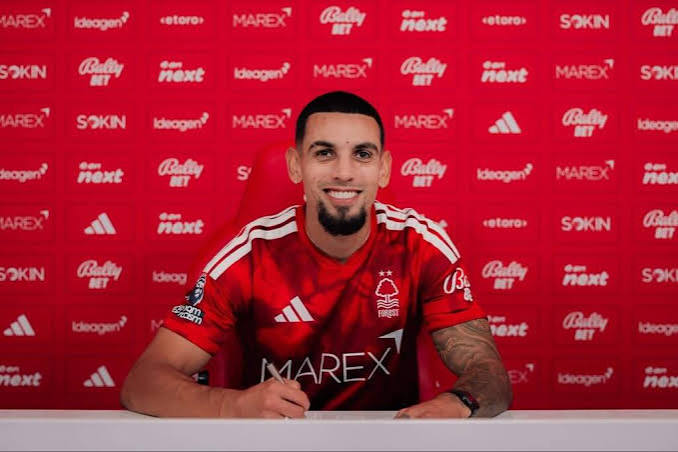
When Nottingham Forest finalize a deal for Crystal Palace’s Daniel Muñoz, they’ll pay roughly £20–25 million for a 30-year-old right-back. That fee would place Muñoz among the top 15 most expensive transfers ever for a player aged 30 or over a list headlined by Casemiro’s £60 million move to Manchester United.
This isn’t a superstar signing. Muñoz is a hard-working Colombian wing-back with a respectable goal contribution record, not a global icon. His transfer signals a market shift: Premier League clubs are now paying premiums for experienced role players in their thirties, driven by immediate performance needs and financial regulations that make amortized fees more palatable.
The move raises questions about age-based valuation, tactical fit, and the risk-reward calculus of buying players with no resale value. Here’s why Muñoz’s transfer matters beyond the headline fee.
The Over-30 Market Has Changed
Historically, footballers over 30 depreciated rapidly. Clubs sold them for fractions of their peak value, or let them run down contracts. That logic has eroded in the Premier League, where the financial gap between English clubs and the rest of Europe allows teams to pay for immediate impact rather than future resale.
Muñoz’s fee sits in an elite bracket. For context:
- Casemiro moved from Real Madrid to Manchester United at 30 for £60 million+ in 2022.
- Kalidou Koulibaly joined Chelsea at 31 for £33 million in 2022.
- Cristiano Ronaldo returned to United at 36 for just £12.9 million—a bargain by comparison.
Muñoz isn’t in that superstar tier. He’s a functional, high-energy full-back who joined Palace from Genk for €8 million in January 2024. Now, two years later, Forest are willing to pay nearly triple that fee for a player entering his thirties. That’s a remarkable premium for a non-elite name.
The rationale? Premier League survival. Forest have spent heavily since promotion in 2022 under owner Evangelos Marinakis, but they’ve also lurched from relegation battles and faced Profit and Sustainability Rules (PSR) scrutiny, including a points deduction in 2023/24. Their recruitment strategy has shifted toward “win-now” signings—proven players who can contribute immediately, not projects for the future.
Why Forest Are Paying Up
Forest’s right-back situation is unsettled. Ola Aina’s contract is expiring and he’s linked with a move away. Neco Williams has been inconsistent. Muñoz offers Premier League experience, a relentless work rate, and attacking output—he scored or assisted in double figures at Genk and Palace, unusual numbers for a defender.
Muñoz also fits a tactical profile. Forest manager Nuno Espírito Santo has used both back fours and back fives. Muñoz is a natural wing-back, and if Nuno shifts to a 3-4-2-1 or 3-5-2, Muñoz becomes a key attacking outlet. In a flat-back-four right-back role, his defensive discipline would be tested—a legitimate question given his attacking instincts.
The financial structure matters too. At £20–25 million over a 3.5-year contract, the amortized annual cost is roughly £6–7 million. Under PSR rules, that’s manageable. Forest are betting on two or three good years, not resale value.
Why Palace Are Selling
Palace are undergoing a squad refresh under Oliver Glasner. Muñoz has been a regular starter, but the club has younger options or is targeting them. Selling at 30 for a profit on their €8 million investment is prudent business.
There’s also financial pressure. Palace reportedly need to raise funds for other targets under PSR constraints. Selling Muñoz now, when his value peaks, provides immediate headroom.
The Data vs. Age Debate
Muñoz’s underlying numbers—expected goals and assists, progressive carries, sprints—remain elite for his position. Analytics-driven clubs increasingly ignore age if the physical profile holds up. Muñoz’s game relies on pace and stamina, which can decline suddenly. But the data suggests he hasn’t slowed yet.
Critics argue full-backs decline fast. Forest are accepting that risk, hoping Muñoz’s professionalism and athleticism extend his peak. It’s a calculated gamble, not a reckless one.
A Colombian Golden Generation
Muñoz’s move also raises his profile ahead of the 2026 World Cup. Colombia are producing a golden generation—Luís Díaz, Jhon Durán, Richard Ríos—and Muñoz is a senior figure with over 40 caps. His path from Atlético Nacional to Genk to England is a template for late bloomers: South American players don’t always move to Europe young, but those who do can thrive.
Where Muñoz Ranks All-Time
Exact all-time rankings depend on fee definitions, but Muñoz’s £20–25 million likely places him in the top 10–15 for over-30 transfers. Notable comps include:
- Riyad Mahrez to Al-Ahli (not Premier League, but a £30 million+ fee at 32)
- Cristiano Ronaldo to Man Utd (£12.9m at 36)
- Casemiro to Man Utd (£60m+ at 30)
Muñoz’s fee is remarkable because he’s not a global superstar—he’s a functional full-back. That signals a market where even role players in their thirties command significant fees, driven by Premier League financial muscle and the urgency of staying in the league.
Daniel Muñoz to Nottingham Forest isn’t just a routine transfer—it’s a snapshot of how the Premier League’s financial dominance is reshaping age-based valuation. Clubs are increasingly willing to pay for proven performers in their thirties, accepting limited resale value in exchange for immediate impact. For Forest, it’s a bet on survival and short-term success. For Palace, it’s smart business. For the wider market, it’s another sign that age is no longer the barrier it once was.
Summary
- Daniel Muñoz’s move to Nottingham Forest for £20–25 million would rank among the top 10–15 most expensive transfers for players aged 30 or over.
- Forest are paying a premium for immediate Premier League experience, driven by PSR constraints and a “win-now” recruitment strategy.
- Palace are selling at peak value, profitably offloading a player who cost €8 million two years ago.
- Muñoz’s underlying data remains strong, but his reliance on pace makes the deal a calculated risk.
- The transfer highlights a broader market trend where Premier League clubs pay significant fees for proven role players in their thirties.
FAQ
Q: How much is Nottingham Forest paying for Daniel Muñoz?
A: The reported fee is in the region of £20–25 million, with add-ons potentially pushing it higher.
Q: Why would Forest pay so much for a 30-year-old?
A: Forest need an immediate upgrade at right-back, and Muñoz offers Premier League experience, attacking output, and fits Nuno Espírito Santo’s potential tactical setups. The amortized cost over a 3.5-year contract is manageable under PSR rules.
Q: Is Muñoz worth that fee?
A: His underlying numbers remain strong, and he’s proven in the Premier League. However, full-backs often decline suddenly, so the deal carries risk.
Q: How does this compare to other over-30 transfers?
A: Muñoz’s fee would place him in the top 10–15 all-time for players aged 30 or over, alongside Casemiro (£60m+), Koulibaly (£33m), and Mahrez (£30m+).
Q: What does this mean for Crystal Palace?
A: Palace are selling at peak value, reinvesting funds for younger targets under PSR pressure. It’s a sound financial decision.