Tag: Flock Safety

  • The $1 Car Insurance Fee Funding Flock Cameras in Texas

    The $1 Car Insurance Fee Funding Flock Cameras in Texas

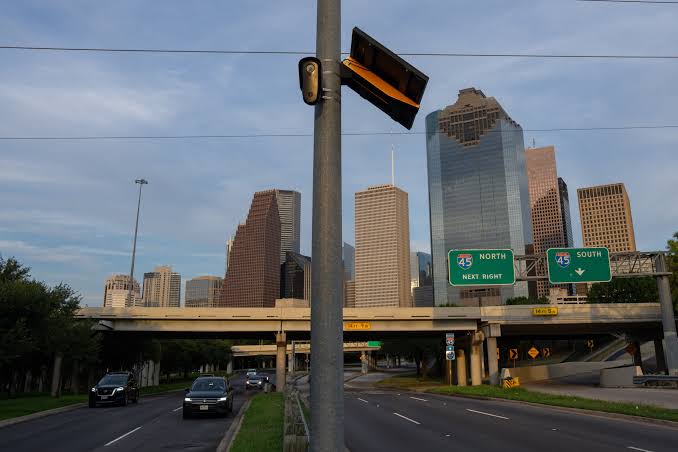
    If you drive a car in Texas, you’re likely paying a hidden $1 fee on your auto insurance policy. That dollar doesn’t go to the insurance company it funds the Motor Vehicle Crime Prevention Authority (MVCPA), a state agency created in 2001 to combat auto theft. But in recent years, the MVCPA has been using that money to buy Flock Safety cameras, automated license plate readers that are popping up on poles across the state.

    These cameras aren’t just watching for stolen cars. They’re part of a growing network of surveillance that records every vehicle that passes by whether it’s involved in a crime or not. And most drivers have no idea their insurance premiums are footing the bill. This article explains how that $1 fee works, how it got redirected from fighting auto theft to funding a private surveillance company, and what it means for your privacy.

    How the $1 Fee Works

    Back in 2001, the Texas Legislature created the MVCPA to tackle a specific problem: auto theft. To fund it, they added a $1 surcharge to every motor vehicle liability insurance policy written in the state. If you buy car insurance in Texas, you pay this fee—it’s listed as a line item on your policy, often bundled into the premium so you don’t notice it.

    The MVCPA then distributes this money as grants to local law enforcement agencies. For years, those grants went to auto theft task forces, bait vehicles, and investigative units. The idea was straightforward: use a small fee on every driver to fund efforts to catch car thieves.

    But over time, the agency’s mandate broadened. The Legislature expanded the definition of “motor vehicle crimes” to include things like hit-and-runs and theft from vehicles. That change opened the door for funding technology like license plate readers, which can help solve a wide range of crimes beyond just auto theft.

    The $1 fee on your car insurance was meant to fight auto theft—and it still does, in part. But it’s also become a funding stream for a private surveillance company with cameras on thousands of poles across Texas. Whether that’s a good use of your dollar depends on how you weigh public safety against privacy. If you’re uncomfortable with the trade-off, ask your state representative why a fee for fighting auto theft is now paying for mass surveillance—and whether that’s what you signed up for when you bought your policy.

    Summary

    • A $1 fee on every car insurance policy in Texas funds the Motor Vehicle Crime Prevention Authority (MVCPA), a state agency created in 2001 to fight auto theft.
    • The MVCPA now uses those funds to give grants to police departments to buy Flock Safety cameras—automated license plate readers that record every passing vehicle.
    • Texas has become one of Flock’s largest markets, with hundreds of agencies using the cameras.
    • Critics argue this is a form of warrantless mass surveillance, since the cameras capture everyone’s movements, not just suspects’.
    • Supporters say the cameras help solve crimes like car theft and hit-and-runs, and that the fee is already in place, so it’s a natural evolution of the MVCPA’s mission.

    FAQ

    Q: How do I know if I’m paying the $1 fee?
    A: Check your auto insurance policy document—it should list a $1 surcharge for “Motor Vehicle Crime Prevention Authority” or similar. It’s often bundled into your total premium, so you may not see it unless you read the fine print.

    Q: What exactly do Flock cameras do?
    A: Flock cameras are solar-powered, cellular-connected devices that capture license plates and vehicle characteristics (make, model, color, and sometimes roof racks or bumper stickers). They take photos of every vehicle that passes and store the data for 30 days by default.

    Q: Can the police access my data without a warrant?
    A: Flock cameras capture data on all vehicles, not just suspects. Law enforcement can search that data for specific plates or vehicle descriptions. In many cases, they do this without a warrant, raising privacy concerns.

    Q: Why are these cameras controversial?
    A: Privacy advocates argue that ALPRs create a searchable database of everyone’s movements, which could be used for purposes beyond crime-solving, such as tracking people at protests or reproductive health clinics. There’s also concern about equitable deployment—cameras often go in affluent suburbs where residents can afford the subscription.

    Q: Is the $1 fee a new tax?
    A: No, the fee has existed since the early 2000s. What’s changed is how the money is allocated. Instead of only funding auto theft task forces, the MVCPA now also funds ALPR networks, which is a significant departure from its original mission.
  • Winona’s Flock Cameras Stolen: What It Means for Surveillance and Safety

    Winona’s Flock Cameras Stolen: What It Means for Surveillance and Safety

    In a small Minnesota city, something unusual happened: every single automated license plate reader camera owned by the police was cut down and stolen in one coordinated operation. The Winona Police Department lost its entire fleet of Flock Safety cameras overnight, leaving investigators without a tool they had come to rely on. This incident raises important questions about the role of surveillance technology in small towns, the vulnerabilities of such systems, and what happens when they are taken away.

    For residents of Winona, the theft is both puzzling and concerning. Were the cameras targeted by criminals trying to avoid detection? Or was this an act of protest against mass surveillance? The answer is not yet clear, but the event highlights a growing tension between public safety and privacy in communities across the United States.

    What Are Flock Cameras?

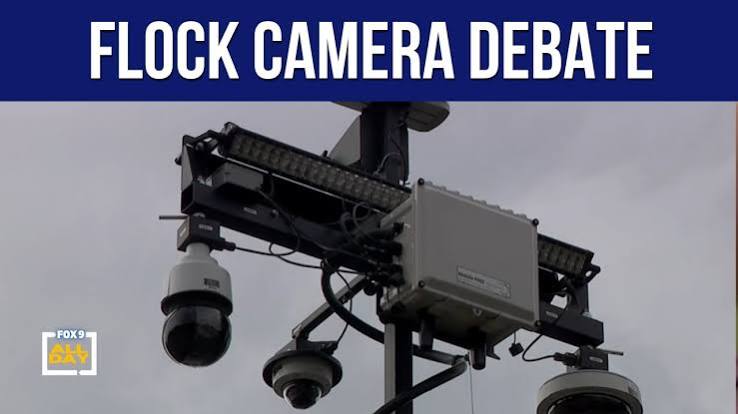
    Flock cameras are automated license plate readers (ALPRs) made by a private company called Flock Safety. They are small, solar-powered devices that can be attached to existing poles, like streetlights or utility poles. Each camera takes photos of every license plate that passes by and uploads the data to a cloud-based system. Police can then search for specific plates—for example, those linked to a stolen car or an AMBER Alert—and get a list of locations where that vehicle has been seen.

    Unlike traditional surveillance cameras that record video, Flock cameras only capture still images of license plates and vehicle characteristics (like make, color, and unique features). They do not record people’s faces or live video feeds. The idea is to provide investigators with leads, not to monitor people in real time.

    The Theft: A Coordinated Effort

    On August 4, 2026, Winona Police discovered that all of their Flock cameras had been cut down from their poles and stolen. This was not a random act of vandalism—it required planning, tools, and likely multiple people working together. To remove a camera, someone would need to climb up to the pole, cut the mounting bracket (possibly with an angle grinder or bolt cutters), and then lower the device down without being noticed. Doing this for every camera in the city suggests the thieves knew exactly where each one was located and had a way to move quickly.

    Authorities described the theft as “coordinated,” meaning they believe it was a deliberate operation, not a spontaneous crime. As of the initial report, no suspects had been identified, and the investigation was ongoing.

    Why Would Someone Steal All the Cameras?

    There are several possible motivations, and the truth may be a combination of them:

    • Criminal activity: Criminals who want to avoid being tracked might steal the cameras to reduce the chance of being caught. If the cameras are gone, police lose a valuable tool for solving property crimes and identifying suspects.
    • Anti-surveillance activism: Some people oppose automated license plate readers because they see them as an invasion of privacy. While most activists would not endorse theft, a few might resort to direct action to remove what they see as an intrusive surveillance system.
    • Profit: Flock cameras are not cheap—they cost around $2,000 to $3,000 each. They could be resold on the black market or stripped for parts.
    • Personal grudge: Someone with a vendetta against the police department might have targeted the cameras as a way to cause disruption.

    The Impact on Winona Police

    For a department in a city of about 27,000 people, losing all Flock cameras is a significant setback. These cameras were likely used to solve crimes like car thefts, burglaries, and even more serious offenses. Without them, investigators will have to rely on traditional methods, such as witness interviews and physical evidence, which can be slower and less effective.

    The financial cost is also a concern. Replacing the cameras could cost tens of thousands of dollars, money that might have to come from the city’s budget or grants. This could mean fewer resources for other public safety needs.

    The Privacy Debate

    This incident also brings up the ongoing debate about surveillance technology. Supporters of Flock cameras argue that they help solve crimes and make communities safer. They point to cases where ALPRs led to arrests or helped find missing persons. Opponents, however, worry about the potential for abuse. They ask: Who gets to access the data? How long is it stored? Can it be used to track innocent people?

    In Winona, the theft might actually fuel both sides. Police might say, “The fact that criminals stole the cameras proves they are effective—criminals want them gone.” Privacy advocates might respond, “This shows that surveillance infrastructure is vulnerable and can be used against the community.”

    What Happens to the Data?

    One question that often comes up is: What about the data already collected? Flock cameras typically store data in the cloud, not on the device itself. So even though the cameras are gone, the data they collected before the theft is likely still available to police. That means the thieves did not erase the past records—they only stopped future collection.

    This is an important point because it means the theft does not erase the surveillance that already occurred. It only prevents new data from being gathered.

    The Broader Implications

    This incident is not just about Winona. It highlights a vulnerability in how surveillance systems are deployed. Many cities and towns have installed Flock cameras without thinking much about their physical security. If a determined group can steal an entire fleet in one night, what does that say about the resilience of such systems?

    It also raises questions about the role of private companies in public safety. Flock Safety is a for-profit company that sells its cameras to police departments. When a camera is stolen, does the company offer a discount for replacements? Do they provide insurance? These are practical concerns that other departments might now consider.

    Looking Ahead

    As the investigation continues, Winona will have to decide whether to replace the cameras. Some residents may push for their return, citing public safety. Others may see this as an opportunity to reconsider whether such surveillance is necessary. The city council might hold public meetings to discuss the issue.

    For now, the cameras are gone, and the community is left to grapple with what that means. The theft was a bold move, but its consequences are still unfolding.

    The theft of Winona’s Flock cameras is a striking example of how surveillance technology can be both a tool for safety and a target for those who oppose it. While the investigation continues, the incident forces a conversation about privacy, security, and the lengths some will go to avoid being watched. Whether Winona rebuilds its camera network or rethinks its approach, this event will likely be a case study for other communities facing similar decisions.

    Summary

    • All of Winona Police Department’s Flock license plate reader cameras were stolen in a coordinated theft on August 4, 2026.
    • The cameras were cut down from their poles, indicating a planned operation by individuals with knowledge of their locations.
    • Motivations could include criminal avoidance, anti-surveillance activism, profit, or a personal grudge.
    • The theft impacts police investigative capabilities and carries significant replacement costs.
    • The incident highlights vulnerabilities in physical security of surveillance systems and sparks debate about privacy vs. safety.

    FAQ

    Q: What are Flock cameras?
    A: Flock cameras are automated license plate readers made by Flock Safety. They capture images of license plates and vehicle details, which police can search to help solve crimes.

    Q: Why were all the cameras stolen?
    A: The exact motive is unknown, but possibilities include criminals wanting to avoid detection, anti-surveillance activists, thieves looking to sell the hardware, or someone with a grudge against the police.

    Q: Will the stolen cameras affect police work?
    A: Yes, the loss of the cameras means police lose a tool for identifying suspects and solving crimes. They will have to rely on traditional investigative methods.

    Q: Is the data from the cameras lost?
    A: No, the data is stored in the cloud, not on the cameras themselves. So the data collected before the theft is still available to police.

    Q: What happens next?
    A: The police are investigating the theft. The city will need to decide whether to replace the cameras, which could be costly. The incident may also prompt public discussions about surveillance in Winona.