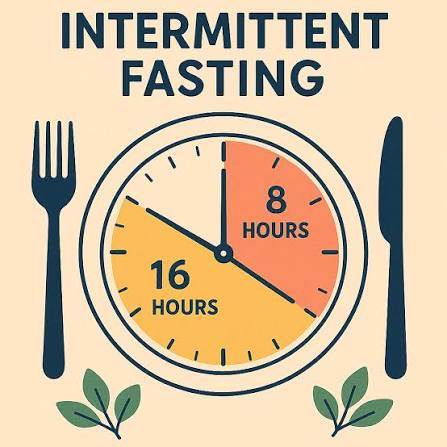
Intermittent fasting has become one of the most talked-about health trends, but it’s not a diet—it’s an eating pattern that focuses on when you eat, not what you eat. From the popular 16:8 method to the 5:2 approach, IF promises weight loss, better metabolic health, and even longevity. But what does the science actually say? This guide breaks down the facts, the benefits, and the potential pitfalls, so you can decide if IF is right for you.
What Is Intermittent Fasting?
Intermittent fasting (IF) is an umbrella term for eating patterns that cycle between periods of eating and voluntary fasting. Unlike traditional diets that dictate which foods to eat, IF focuses on the timing of meals. The most common protocols include:
- 16:8 method: Fast for 16 hours, eat within an 8-hour window (e.g., 12pm–8pm). This is the most popular approach.
- 5:2 method: Eat normally for 5 days, restrict to 500–600 calories on 2 non-consecutive days.
- Eat-Stop-Eat: Do a full 24-hour fast once or twice a week.
- Alternate-day fasting: Alternate between regular eating days and fasting days (often modified to ~500 calories on fast days).
- OMAD (One Meal A Day): A stricter form of 23:1 fasting, where you eat just one meal per day.
How Does Intermittent Fasting Work?
When you fast, your body undergoes several physiological changes. Here’s what happens behind the scenes:
- Insulin levels drop: Lower insulin signals your body to start using stored fat for energy.
- Glycogen depletion: After about 12–16 hours, your liver’s glycogen stores are used up, prompting a shift toward fat oxidation.
- Autophagy: This cellular cleanup process ramps up after 18–24 hours of fasting, helping remove damaged cells (though the exact timing in humans is still debated).
- Ketosis: Your body may start producing ketones after 12–24 hours, depending on activity and prior diet.
- Circadian alignment: Eating earlier in the day may better match your body’s natural metabolic rhythms.
What Are the Documented Benefits?
Research shows that IF can offer several health benefits, though the strength of evidence varies:
| Benefit | Evidence Strength | Notes |
|—|—|—|
| Weight loss / fat loss | Moderate–Strong | Comparable to calorie restriction in randomized controlled trials; adherence is key |
| Improved insulin sensitivity | Moderate | Fasting glucose and insulin reductions observed |
| Reduced inflammation | Moderate | Lower CRP and oxidative stress markers in some studies |
| Cardiovascular risk markers | Moderate | Improvements in LDL, triglycerides, and blood pressure in some trials |
| Brain health / BDNF | Preliminary | Strong in animal studies; human data limited |
| Longevity | Preliminary | Strong in animal models; human evidence lacking |
| Autophagy | Mechanistic | Demonstrated in animals; human evidence indirect |
In terms of weight loss, typical results show a 3–8% reduction in body weight over 8–12 weeks, which is similar to daily calorie restriction. Importantly, IF is not superior to standard diets for preserving lean muscle mass when protein intake is adequate.
The History and Popularity of IF
Fasting is nothing new—it’s been part of religious traditions for centuries, including Ramadan, Yom Kippur, Lent, and Buddhist practices. Modern scientific interest began in the 1940s–60s with animal studies on calorie restriction and longevity. The 2012 BBC documentary Eat, Fast and Live Longer and Michael Mosley’s The Fast Diet brought the 5:2 method into the mainstream. Dr. Jason Fung’s The Obesity Code (2016) further popularized IF as a weight-loss tool.
Today, IF is consistently among the top trending diets, boosted by celebrity endorsements and biohacker culture. The rise of time-restricted eating research, particularly from Satchidananda Panda’s lab at the Salk Institute, has given IF scientific credibility.
What Do the Studies Really Say?
Human randomized controlled trials (RCTs) on IF are relatively short (8–24 weeks) and small (n = 30–150). Most compare IF to standard calorie restriction, and the results generally show no significant advantage for weight loss when calories are matched. A 2022 review in the New England Journal of Medicine concluded that IF is a viable alternative to daily calorie restriction with comparable efficacy. However, long-term data (>1 year) are scarce, and dropout rates in trials are often 20–40%.
The Pros and Cons: Different Perspectives
Proponents argue that IF is simpler than calorie counting, requires no food logging, and may improve metabolic health independent of weight loss. It also promotes mindfulness around eating and reduces snacking.
Skeptics counter that there’s no metabolic magic—weight loss is driven by calorie deficit, not fasting itself. Adherence can be challenging for some, and there’s a risk of triggering disordered eating patterns. Long-term safety data on fertility, bone health, and hormonal balance are lacking.
The medical community generally endorses IF as safe for healthy adults, with caveats. The American Heart Association has given it a cautious thumbs-up. However, it’s not recommended for pregnant or breastfeeding women, children and adolescents, people with type 1 diabetes, or those with a history of eating disorders.
Practical Tips for Getting Started
If you’re considering IF, start slowly. Try the 16:8 method first, and choose an eating window that fits your lifestyle. Stay hydrated during fasting periods, and focus on nutrient-dense foods when you eat. It’s also wise to consult a healthcare provider, especially if you have underlying health conditions.
Conclusion
Intermittent fasting is a flexible, evidence-backed approach to eating that can support weight loss and metabolic health. But it’s not a magic bullet—success depends on adherence and overall calorie intake. If you enjoy structure and simplicity, IF might be worth trying. Just remember to listen to your body and prioritize balanced nutrition.
Intermittent fasting is a flexible, evidence-backed approach to eating that can support weight loss and metabolic health. But it’s not a magic bullet—success depends on adherence and overall calorie intake. If you enjoy structure and simplicity, IF might be worth trying. Just remember to listen to your body and prioritize balanced nutrition.
Summary
- Intermittent fasting is an eating pattern that cycles between eating and fasting periods; it doesn’t specify what to eat, only when.
- Common methods include 16:8, 5:2, Eat-Stop-Eat, alternate-day fasting, and OMAD.
- Benefits include weight loss, improved insulin sensitivity, reduced inflammation, and better cardiovascular markers, though evidence strength varies.
- Weight loss results are comparable to traditional calorie restriction; no metabolic magic.
- IF is safe for most healthy adults but not recommended for pregnant women, children, people with type 1 diabetes, or those with eating disorder history.
FAQ
Q: Is intermittent fasting safe for everyone?
A: No. It’s not recommended for pregnant or breastfeeding women, children and adolescents, people with type 1 diabetes, or those with a history of eating disorders. Always consult a healthcare provider first.
Q: Will I lose muscle mass with intermittent fasting?
A: IF is not superior to standard diets for preserving lean mass, but as long as you consume adequate protein, muscle loss is not a major concern.
Q: How long do I need to fast to enter autophagy?
A: The exact timing is debated, but estimates range from 18 to 72 hours in humans. Most people doing 16:8 won’t reach autophagy.
Q: Can I drink coffee or tea while fasting?
A: Yes, black coffee and unsweetened tea are generally allowed, as they contain minimal calories and won’t break your fast.
Q: Will intermittent fasting help me lose weight faster than a regular diet?
A: Studies show similar weight loss results compared to daily calorie restriction when calories are matched. The key is adherence—choose a method you can stick with.