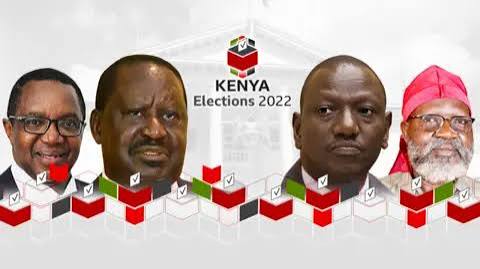
In the run-up to Kenya’s 2022 general election, false claims spread like wildfire across WhatsApp, Facebook, and TikTok—doctored videos, fake opinion polls, and fabricated news stories. Fact-checkers worked tirelessly, publishing hundreds of debunks, but the damage was often done before corrections could reach voters. Kenya’s experience offers a stark reminder: fact-checking alone cannot win the battle against misinformation. Here are three insights from Kenya’s elections that reveal why falsehoods outpace truth, and what can be done about it.
The Speed Gap: Why Falsehoods Win the Race
Kenya’s 2022 election was a stress test for information integrity. PesaCheck alone published over 200 fact-checks during the election period, yet false narratives continued to dominate conversations. This isn’t unique to Kenya—a 2020 MIT study found that false news spreads six times faster than the truth on Twitter. Kenyan researchers have observed similar dynamics locally, where emotionally charged claims about ethnic tensions or electoral fraud travel through WhatsApp groups at lightning speed.
The problem is structural: fact-checking is reactive. By the time a claim is debunked, it has already been seen by thousands, often in private WhatsApp groups where fact-checkers have no visibility. As one Kenyan fact-checker put it, “We’re fighting a fire with a garden hose.” The sheer volume of misinformation—the ‘firehose of falsehood’ strategy—overwhelms the limited resources of fact-checking organizations.
The Private Group Problem: WhatsApp’s Encrypted Echo Chambers
WhatsApp is Kenya’s dominant messaging platform, used for everything from family chats to political organizing. Its end-to-end encryption is a privacy boon, but it also creates blind spots for fact-checkers. Misinformation spreads through forwarded messages in private groups, often with no way to track or counter it in real time. During the 2022 election, false claims about rigged voting machines and fake results circulated in these closed circles, bypassing public scrutiny.
Platforms have tried to mitigate this: WhatsApp reduced message forwarding limits globally, and Meta partnered with fact-checkers in Kenya. But these measures are insufficient. A forwarded message can still reach hundreds of people before being flagged, and in private groups, even the ‘forwarded’ label is often ignored. The result is that misinformation thrives in the spaces where fact-checkers cannot go.
The Ethnic Fault Line: Why Facts Don’t Trump Feelings
Kenyan politics is historically organized around ethnic coalitions, and misinformation often exploits these deep-seated divisions. False narratives that play on fears of one community dominating another are emotionally charged and resistant to factual correction. A dry fact-check saying ‘this video is doctored’ cannot compete with a narrative that confirms a voter’s pre-existing anxieties.
This was evident in the 2017 election, when the Supreme Court nullified the presidential result amid a flood of conspiracy theories about hacking and electoral commission bias. Those theories persisted long after official rulings, because they resonated with people’s political identities. Fact-checkers can debunk a claim, but they cannot easily change a belief that is tied to a person’s sense of group belonging.
The Way Forward: Pre-bunking and Systemic Change
Kenya’s experience points to the need for a shift from reactive debunking to proactive pre-bunking. This means inoculating audiences against likely false narratives before they spread—for example, by explaining the tactics used in misinformation (such as doctored videos or fake polls) before an election. Fact-checkers and civil society groups in Kenya are already experimenting with this approach, but it requires more support and coordination.
Platforms also need to invest more in African markets, where content moderation is often under-resourced compared to Western countries. And voters themselves need better digital literacy to recognize and resist misinformation. As Kenya’s elections show, the truth may be slower, but it doesn’t have to lose the race—if we change how we run it.
Kenya’s 2022 election was a wake-up call: fact-checking is essential, but it is not enough. The speed of misinformation, the opacity of private messaging apps, and the power of ethnic narratives all conspire to let falsehoods flourish. To protect democracy, we must invest in pre-bunking, hold platforms accountable, and empower citizens with the skills to discern fact from fiction. Only then can the truth keep pace with the lies.
Summary
- False news spreads six times faster than the truth, and Kenya’s elections show the same pattern.
- WhatsApp’s encryption creates blind spots, making private group misinformation nearly impossible to counter in real time.
- Ethnic and political polarization makes emotionally charged misinformation resistant to factual correction.
- Pre-bunking—inoculating audiences before false narratives spread—is a promising alternative to reactive debunking.
- Platforms need to invest more in African markets, and voters need better digital literacy to fight misinformation.
FAQ
Q: Why is Kenya a case study for election misinformation?
A: Kenya is East Africa’s digital hub with high social media use, and its elections have seen significant misinformation, especially in 2022. The country’s ethnic divisions and history of post-election violence make it a high-stakes example.
Q: What is the ‘firehose of falsehood’ strategy?
A: It’s a tactic where political operatives flood the information space with so many false claims that fact-checkers cannot keep up, overwhelming their resources and making it hard for the public to distinguish truth from lies.
Q: How does WhatsApp contribute to misinformation spread?
A: WhatsApp’s end-to-end encryption means messages are private, so fact-checkers cannot monitor or debunk false claims in real time. Forwarded messages can reach large audiences quickly, especially in group chats.
Q: What is pre-bunking?
A: Pre-bunking is the practice of exposing people to weakened forms of misinformation or explaining the tactics used, so they are less likely to fall for it when they encounter it. It’s a proactive alternative to reactive debunking.
Q: Can fact-checking alone stop misinformation?
A: No. Fact-checking is reactive and often too slow to prevent harm. It needs to be combined with pre-bunking, platform accountability, and digital literacy education to be effective.