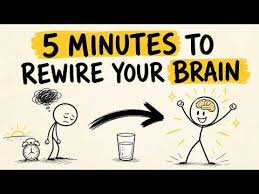
You wake up, and your brain feels like it’s wrapped in cotton wool. Simple tasks seem to require Herculean effort, and you can’t shake the mental sluggishness. This isn’t just a bad day; it’s a common experience often labeled ‘brain fog.’ While not a medical diagnosis, brain fog describes a constellation of symptoms including poor concentration, memory lapses, and that distinct ‘cloudy’ feeling.
In the quest for clarity, a specific type of morning routine has gained traction: a short, 5-minute sequence of actions designed to kickstart your brain. From morning light exposure to a glass of water and a few deep breaths, proponents claim these micro-habits can measurably reduce brain fog. But does the science support these claims? Let’s break down the routine, piece by piece, and see what the research actually reveals.
The Mechanism Behind the Fog
To understand why a morning routine might help, it’s useful to know what’s happening in your brain when you wake up. The groggy feeling isn’t just in your head—it’s a real physiological state called sleep inertia. This period, lasting 15 to 30 minutes, is marked by reduced cerebral blood flow, lower core body temperature, and lingering sleep pressure from adenosine, a chemical that builds up during wakefulness.
Simultaneously, your body is meant to trigger the Cortisol Awakening Response (CAR), a natural spike in cortisol within 30-45 minutes of waking. This spike helps you feel alert and is modulated by light. However, in chronic stress or burnout, this response can be blunted, contributing to that persistent fog. Your brain’s master clock, the suprachiasmatic nucleus (SCN), is also most sensitive to light in the early morning, which helps align your circadian rhythm for the day.
The 5-Minute Routine, Deconstructed
Here’s a typical sequence you might find in online wellness circles, each step paired with a proposed neurological benefit:
1. Morning Light Exposure
The first step is often stepping outside or sitting by a window to get natural light. The claim: this suppresses melatonin, triggers the Cortisol Awakening Response, and sets your SCN. The research: strong evidence supports that morning light, especially blue-enriched light, improves alertness and circadian alignment. Even just 2-5 minutes of outdoor light can start this process, though longer exposure (10-30 minutes) is often recommended for more significant effects.
2. Hydration
After 7-8 hours of sleep, you’re mildly dehydrated. The brain is about 75% water, and even mild dehydration (1-2% body water loss) can impair attention, working memory, and cognitive performance. Drinking a glass of water, perhaps with a pinch of salt or lemon, is thought to replenish fluids and support neurotransmitter function. The evidence: rehydration after sleep has been shown to improve mood and cognition, particularly in individuals prone to dehydration.
3. Breathing Exercises
A minute of deep breathing—like box breathing or the physiological sigh—is meant to activate the parasympathetic nervous system, reduce amygdala reactivity, and increase heart rate variability (HRV). The research: evidence for acute cognitive benefits is mixed. Breathing exercises are more robustly linked to stress reduction than to direct cognitive enhancement. However, lower stress can indirectly improve focus and clarity.
4. Light Movement
Jumping jacks, stretching, or a quick yoga flow for a minute or two. The claim: brief aerobic activity increases brain-derived neurotrophic factor (BDNF), which supports synaptic plasticity and memory, and boosts cerebral blood flow. The evidence: acute cognitive benefits from exercise are well-established, but 5 minutes is on the low end of the dose-response curve. Even so, any movement beats staying still.
5. Cold Water Splash (Optional)
Ending with a splash of cold water on the face or a quick cold shower. The claim: this triggers norepinephrine release, enhancing alertness and focus. The research: cold exposure has been shown to increase norepinephrine, but the studies often use longer exposures (2-3 minutes) than a quick splash. A brief splash may provide a temporary jolt, but its lasting cognitive benefits are less clear.
The Whole Might Be Greater Than the Sum
While each component has varying levels of evidence, the routine’s power may lie in the combination. “Stacking” these small, evidence-informed actions could have synergistic effects. For example, light exposure helps regulate your circadian rhythm, which in turn affects your sleep quality. Better sleep reduces brain fog the next day. Similarly, movement can boost mood and energy, making it easier to engage in other healthy behaviors.
However, it’s crucial to manage expectations. This is not a cure-all. Individual responses vary, and the routine is most effective when it addresses your specific contributors to brain fog, such as poor sleep, stress, or dehydration.
A Critical View: What the Research Doesn’t Say
It’s also important to note the limits of the evidence. Many studies on light, hydration, and exercise are short-term and may not translate to lasting improvements in brain fog. The concept of a “5-minute routine” is largely a cultural construct, popularized by biohackers and wellness influencers, not a scientifically validated protocol. Personal testimonials, while compelling, are not evidence.
Moreover, brain fog can be a symptom of underlying conditions like long COVID, autoimmune disorders, or medication side effects. If your brain fog is persistent or severe, it’s essential to consult a healthcare professional rather than relying solely on a morning routine.
Building Your Own 5-Minute Routine
If you’re curious to try it, here’s a simple framework, based on the evidence:
- Get Light: Spend 2-5 minutes outside or by a bright window, without sunglasses. If it’s still dark, consider a bright light therapy lamp.
- Drink Water: Keep a glass or bottle by your bed and drink it first thing.
- Move Your Body: Do a minute of jumping jacks, stretching, or even walking around your room.
- Breathe: Try a minute of slow, deep breathing—inhale for 4 counts, exhale for 6.
- Optional Cold Splash: End with a splash of cold water on your face for a quick wake-up.
The key is consistency. The brain thrives on routine, and a predictable start to your day can reduce decision fatigue and set a positive tone.
What to Watch For
If you implement this routine, pay attention to how you feel over several weeks. Are you more alert in the morning? Does the fog lift earlier? Keep a journal to track your subjective experience. But also be aware of potential pitfalls: if you have high blood pressure or other health conditions, consult a doctor before starting cold exposure or intense movement.
The Verdict
The 5-minute morning routine is a practical, time-efficient strategy that incorporates several habits with documented benefits for alertness and cognitive function. While it’s not a magic bullet, it’s grounded in real neuroscience principles. The best part? It’s low-risk and accessible to most people. So why not give it a try?
In summary, the 5-minute morning routine is a pragmatic, evidence-informed approach to tackling brain fog. By combining light exposure, hydration, movement, and breath work, you’re addressing multiple physiological systems that influence morning alertness. The research supports each component to varying degrees, and the cumulative effect may be substantial. But remember, it’s a tool, not a cure. Pair it with good sleep, a balanced diet, and stress management for the best results.
Summary
- Brain fog is a symptom cluster, not a diagnosis, linked to poor sleep, stress, dehydration, and more.
- A 5-minute routine combining light, water, movement, and breath is a low-cost, time-efficient strategy.
- Morning light exposure is the most robustly supported step, helping to regulate circadian rhythms and alertness.
- Hydration and movement have clear, immediate benefits, while breathing exercises primarily aid stress reduction.
- Personal testimonials are not evidence; individual results vary, and persistent brain fog warrants medical advice.
FAQ
Q: How quickly can I expect to see results from this routine?
A: Some benefits, like increased alertness from light and water, can be felt within minutes. However, for chronic brain fog, it may take several weeks of consistent practice to notice a difference in overall cognitive clarity.
Q: Can I do this routine if I have a health condition?
A: Most steps are safe, but if you have high blood pressure, heart issues, or other chronic conditions, consult your doctor before starting cold exposure or vigorous movement. Also, if you’re sensitive to light, adjust accordingly.
Q: What if I don’t have access to natural sunlight in the morning?
A: Bright artificial light (e.g., a light therapy lamp emitting 10,000 lux) can be an effective substitute. Even turning on all your indoor lights can help, though natural light is generally most effective.
Q: Is it necessary to do all five steps?
A: No. You can customize the routine to fit your needs. If one step is particularly difficult, start with just light and water, then build up. Consistency matters more than completeness.
Q: Can this routine replace medication or therapy for brain fog?
A: No. This routine is a complementary strategy, not a medical treatment. If brain fog is severe or persistent, seek professional medical evaluation to rule out underlying conditions.