Football rivalries are more than just matches; they are living history, cultural battlegrounds, and mirrors of societal divides. From the sectarian streets of Glasgow to the political fault lines of Catalonia, these clashes transcend the 90 minutes on the pitch, embodying centuries of identity, pride, and sometimes, outright animosity. Understanding these rivalries is to understand the very soul of the sport and the communities that breathe life into it.
But what truly fuels this ‘beautiful hatred’? Is it merely geography, or are there deeper currents of class, religion, and politics at play? This analysis peels back the layers of football’s most intense rivalries, exploring the historical roots, the evolution of the animosity, and the modern forces that both amplify and dilute the passion. From El Clásico to the Superclásico, we delve into the stories behind the hate, revealing how these matches are often proxies for larger societal conflicts.
The Historical Crucible: Where Rivalries Are Forged
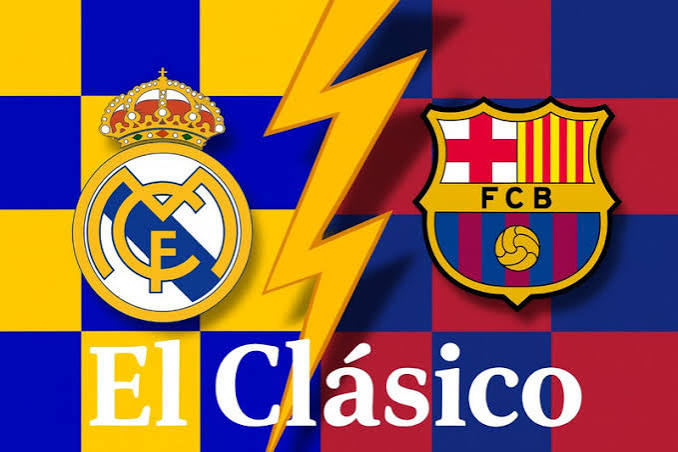
Rivalries are not born overnight; they are forged in the crucible of history, often reflecting deep-seated societal fractures. Take El Clásico, for instance. The clash between Real Madrid and FC Barcelona is not merely a football match; it is a symbolic reenactment of Spain’s political and cultural tensions. During the Franco era, Real Madrid was perceived as the regime’s club, embodying centralist Spanish identity, while Barcelona stood as a defiant symbol of Catalan nationalism and resistance. This political backdrop transformed every encounter into a statement of identity, a battle for regional pride against perceived oppression.
Similarly, the Old Firm derby in Glasgow is a visceral expression of religious and sectarian divides. Celtic, founded by Irish Catholic immigrants, and Rangers, historically Protestant and Unionist, have turned every match into a referendum on Scottish–Irish relations. The rivalry is so potent that it often overshadows the football itself, with songs, chants, and banners reinforcing centuries-old divisions. In Argentina, the Superclásico between Boca Juniors and River Plate is a class struggle personified. Boca, rooted in the working-class portside neighborhood of La Boca, versus River, associated with the affluent district of Núñez, creates a dynamic where every tackle and goal is laden with social significance.
Even international rivalries are steeped in historical animosity. The England–Germany football rivalry is a direct descendant of two World Wars, with matches serving as a proxy for national pride and collective memory. The 1966 World Cup final and the 1990 semi-final shootout are not just iconic moments; they are chapters in a narrative of geopolitical tension. These historical roots are the bedrock upon which the modern ‘hate’ is built, giving each match a weight that transcends the sport.
The Evolution of Animosity: From Local to Global
While the historical foundations of these rivalries remain, their nature has evolved significantly over time. The globalization of football, driven by television rights and commercial sponsorship, has transformed local derbies into global spectacles. El Clásico, once a domestic affair, is now a worldwide brand, watched by hundreds of millions across the globe. This commercialization has, in some ways, diluted the raw, local animosity, replacing it with a more sanitized, marketable product. Yet, for the fans in the stands, the intensity remains undiminished, a testament to the enduring power of these rivalries.
The fortunes of clubs also shape the evolution of rivalries. The Manchester United–Liverpool rivalry, for instance, intensified in the 1960s and 70s when both clubs dominated English football, but it has ebbed and flowed with their respective successes. Similarly, Der Klassiker between Bayern Munich and Borussia Dortmund only emerged as a ‘classic’ in the 2010s, when Dortmund consistently challenged Bayern’s domestic hegemony. This dynamic nature means that rivalries are not static; they are living entities that adapt to the changing landscape of the sport.
Moreover, modern football’s commercialism has been criticized for eroding the authenticity of these rivalries. The influx of foreign investment, the astronomical transfer fees, and the corporate branding of matches have led some to argue that the ‘hate’ is now manufactured for profit. Yet, fan culture often resists this dilution, with supporters’ groups maintaining traditions, tifos, and chants that harken back to a purer era. This tension between commercial interests and fan authenticity is a defining feature of contemporary rivalries.
The Anatomy of Hate: Fan Culture and Rituals
At the heart of every rivalry lies the fans, whose passion and rituals give the animosity its lifeblood. Supporting a club is often an inherited identity, passed down through generations, tied to family, neighborhood, or ethnicity. This deep-rooted connection transforms matchdays into communal rituals, where pre-match songs, pub gatherings, and away-day travel are as important as the game itself. The emotional stakes are immense; a victory over a rival provides ‘bragging rights’ for the season, a source of pride that can sustain fans through lean years.
However, this passion can also have a darker side. Hooliganism, particularly in English football during the 1970s and 80s, and the barras bravas in Argentina, have been linked to several rivalries, leading to violence both inside and outside stadiums. The sectarian undertones of the Old Firm have occasionally erupted into sectarian abuse, while the political dimensions of El Clásico have sometimes led to provocative displays of Catalan nationalism. These incidents highlight the fine line between passionate support and toxic behavior, a line that rivalries often blur.
Yet, it is essential to recognize that not all rivalries are based on ‘hate.’ Many are rooted in mutual respect and a shared history. The Merseyside Derby between Everton and Liverpool, for example, is often cited as a ‘friendly’ rivalry, where families are split between the two clubs but the animosity is tempered by a sense of community. Similarly, the Milan Derby, while intense, is characterized by a certain elegance and respect between the two clubs. This nuance is often lost in the media’s portrayal of rivalries as pure hatred, but it is crucial to understanding their full complexity.
The Media Amplification: Hype or Reality?
The media plays a significant role in shaping and amplifying rivalries. Pre-match hype, historical montages, and ‘hate’ narratives are designed to drive clicks and viewership, often exaggerating the animosity for commercial gain. This amplification can create a feedback loop, where fans, influenced by media portrayals, intensify their own rhetoric, which in turn feeds the media’s narrative. Some argue that this is a cynical exploitation of tribal instincts, while others contend that the media merely reflects the genuine sentiment of the fans.
Regardless of the intent, the media’s focus on rivalries has made them a central part of football’s global appeal. The ‘El Clásico’ brand, for instance, is marketed worldwide, with matches scheduled at prime times for Asian and American audiences. This global reach has introduced these rivalries to new audiences, who may not fully grasp the historical and cultural nuances but are drawn to the drama and intensity. This democratization of rivalries has both positive and negative implications, as it spreads the passion but also risks diluting its authenticity.
The Sociological Lens: Tribalism and Identity
From an academic perspective, rivalries are studied as expressions of tribalism and social identity theory. The in-group/out-group dynamics are powerful psychological forces, where fans derive a sense of belonging and self-esteem from their club’s success. This tribalism can reinforce positive community bonds, creating a shared identity and solidarity among fans. However, it can also enable xenophobia, racism, and violence, as the ‘other’ is dehumanized and targeted.
Scholars note that rivalries often mask deeper social tensions, such as class, religion, or nationalism. The Old Firm, for instance, is not just about football; it is a proxy for the broader Scottish–Irish political divide. Similarly, the Superclásico reflects Argentina’s class stratification. By channeling these tensions into a sporting context, rivalries provide a relatively safe outlet for expressing societal conflicts, though the risk of escalation is ever-present.
To the neutral observer, the intensity of these rivalries can seem irrational or even absurd. The depth of hatred for a club one has never played against, or the vitriol directed at fans who share the same city, can be puzzling. Yet, this is the essence of tribalism — it is not about logic but about identity. For those within the rivalry, the ‘hate’ is a badge of honor, a marker of belonging, and a source of meaning in an increasingly fragmented world.
Football’s greatest rivalries are far more than mere sporting contests; they are living narratives that encapsulate history, culture, and identity. From the political symbolism of El Clásico to the class struggle of the Superclásico, these matches are windows into the soul of communities and nations. While the ‘hate’ is often performative and ritualized, it is rooted in genuine historical and social divides that give the sport its profound emotional resonance. As football continues to globalize, these rivalries will evolve, but their core — the stories behind the hate — will remain an enduring testament to the beautiful game’s power to reflect and shape our world.
Summary
- Football rivalries are deeply rooted in historical, cultural, and political contexts, often reflecting broader societal divides.
- The intensity of rivalries is maintained through fan rituals, identity, and the emotional stakes of ‘bragging rights.’
- Commercialization and globalization have both amplified and diluted rivalries, creating a tension between authenticity and marketability.
- Media amplification often exaggerates animosity for profit, but it also reflects genuine fan sentiment.
- Rivalries are expressions of tribalism and social identity, with both positive and negative implications for community and conflict.
FAQ
Q: What is the oldest football rivalry?
A: The oldest rivalry is often cited as the Old Firm between Celtic and Rangers, with the first match played in 1888. However, other rivalries like the Merseyside Derby (1894) and the North West Derby (1894) also have long histories.
Q: Are all football rivalries based on hatred?
A: No, many rivalries are based on respect, history, or mutual admiration. The ‘hate’ is often performative or ritualized, and some rivalries, like the Merseyside Derby, are known for their friendly nature.
Q: Why is El Clásico so politically charged?
A: El Clásico is politically charged because it symbolizes the tension between Spanish centralism and Catalan nationalism. Real Madrid has been associated with the establishment, while Barcelona represents Catalan identity and resistance, a dynamic rooted in the Franco era.
Q: How do rivalries affect players and managers?
A: Players and managers often downplay the emotional weight publicly, but many admit to heightened intensity. The pressure to win a derby is immense, and a victory can endear a player to fans for life, while defeat can lead to intense criticism.
Q: Can rivalries ever be positive?
A: Yes, rivalries can foster a sense of community, identity, and belonging among fans. They can also drive clubs to improve and create memorable sporting moments. However, they can also lead to violence and discrimination, so the impact is mixed.