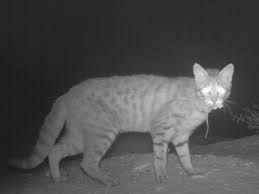
For decades, scientists have tried to count the animals that feral cats kill in Australia. They picked through thousands of cat stomachs and scats, looking for bones, fur, and feathers. But a new study using DNA analysis has found that the true death toll is likely far higher—and that previous estimates missed entire groups of prey.
The study, the first to apply DNA metabarcoding to feral cat diets across Australia, reveals that cats are eating more native animals than we realized, especially small mammals that leave little trace in scat. This finding has big implications for conservation, policy, and the way we think about one of the country’s most damaging invasive predators.
The Problem with Counting What Cats Eat
Imagine trying to figure out what a cat ate for dinner by looking at what’s left behind. That’s been the standard approach for studying feral cat diets. Researchers collect scat or stomach contents and search for identifiable remains—bones, teeth, feathers, scales. But this method has a huge blind spot: soft-bodied animals like frogs, geckos, and small mammals that are eaten whole can be completely digested, leaving nothing but a smudge of DNA.
Visual identification also tends to miss prey that is eaten in multiple meals or in pieces. As a result, scientists have likely been underestimating the number and variety of native animals that feral cats consume.
The DNA Breakthrough
In a landmark study, researchers used DNA metabarcoding to analyze scat and stomach contents from feral cats across multiple bioregions, including arid zones, tropical savannas, and temperate forests. This technique works by extracting tiny fragments of DNA from the samples and matching them to species-specific genetic markers. It can detect prey even when there’s no visible remains—just a few cells left in the digestive tract.
The results were striking. DNA analysis identified a much higher diversity of prey species per sample than visual methods alone. In particular, small native mammals like dunnarts, antechinus, and native rodents were frequently detected via DNA but often missed in visual surveys. These species are exactly the ones that are most vulnerable to extinction, and their true predation rate is now coming to light.
How Many Animals Do Feral Cats Kill?
Previous estimates put the annual toll at over 1.5 billion native mammals, birds, reptiles, and frogs. The new DNA data suggests this figure is likely an underestimate. While the exact new number depends on the study’s final calculations, the direction is clear: feral cats are killing more animals than we thought, and the impact on small mammal populations is particularly severe.
To put that in perspective, Australia has the highest rate of mammal extinction in the modern world, with over 30 species lost since 1788. Feral cats, introduced by European settlers, are implicated in many of these extinctions. They now occupy 99.8% of the continent, making them a key threatening process under national environmental law.
What This Means for Conservation
The findings have immediate implications for how we manage feral cats. If small mammals are being killed at higher rates than previously thought, then simply culling cats may not be enough. We also need to protect and restore habitat that gives prey refuge—dense ground cover, for example, can help small mammals evade predators.
The Australian government has already set ambitious targets, like the plan to cull 2 million feral cats by 2020, which was met. But this new evidence suggests that we need to do more, and smarter. For example, targeted control in areas where threatened species persist, combined with habitat management, could be more effective than broad-scale culling alone.
A Tool for Indigenous Land Management
Feral cats also threaten culturally significant wildlife for Aboriginal and Torres Strait Islander peoples. Indigenous rangers are increasingly involved in cat control programs, and the DNA data can help prioritize actions in Indigenous Protected Areas. By identifying which prey species are most at risk in specific regions, rangers can focus their efforts where they’ll do the most good.
The Bigger Picture
The DNA analysis is a game-changer for studying predator diets, but it also highlights a broader truth: we often underestimate the damage done by invasive species. With better tools, we can see the full scale of the problem—and that’s the first step toward solving it.
The first DNA analysis of feral cat diets in Australia reveals a hidden toll on native wildlife, particularly small mammals that were invisible to earlier methods. This isn’t just a numbers game—it’s a wake-up call for conservation. If we want to protect Australia’s unique animals, we need to use every tool we have, from DNA to habitat restoration, and act on what they tell us.
Summary
- DNA analysis of feral cat scat and stomach contents reveals a higher diversity of prey than visual methods, especially small native mammals.
- Previous estimates of over 1.5 billion native animals killed per year are likely underestimates.
- Small mammals like dunnarts and antechinus are often missed in visual surveys but detected via DNA, indicating higher predation rates.
- Conservation strategies should combine cat control with habitat protection to give prey refuge.
- The findings support stronger management actions in areas with threatened species, including Indigenous Protected Areas.
FAQ
Q: How did the DNA analysis work?
A: Researchers extracted DNA from feral cat scat and stomach contents, then used DNA metabarcoding to match tiny genetic fragments to specific prey species. This detects animals that leave no visible remains.
Q: Why did previous studies underestimate cat predation?
A: Visual identification relies on hard parts like bones and feathers, which are not always present. Soft-bodied prey or animals eaten whole can be fully digested, leaving no trace.
Q: What does this mean for Australia’s native animals?
A: It means small mammals like native rodents and marsupials are being killed at higher rates than believed, which is concerning given Australia’s high extinction rate.
Q: Does this change how feral cats should be managed?
A: Yes. It suggests we need a two-pronged approach: controlling cats and protecting habitat, such as dense ground cover, to help prey survive.
Q: Are there other uses for this DNA technique?
A: Yes, it can be applied to other predators like foxes and dingoes, and to monitor prey populations in conservation areas.