Tag: diagnosis

  • Stop Googling Symptoms: The New AI Tool That Diagnosed My Issue in 4 Seconds

    Stop Googling Symptoms: The New AI Tool That Diagnosed My Issue in 4 Seconds

    I had a strange rash on my forearm, and my first instinct was to Google it. Ten minutes later, I was convinced I had a rare tropical disease, despite never leaving my city. Sound familiar? This is the classic ‘Dr. Google’ trap: a symptom search that spirals into cyberchondria, fueled by worst-case-scenario results and conflicting advice from random forums.

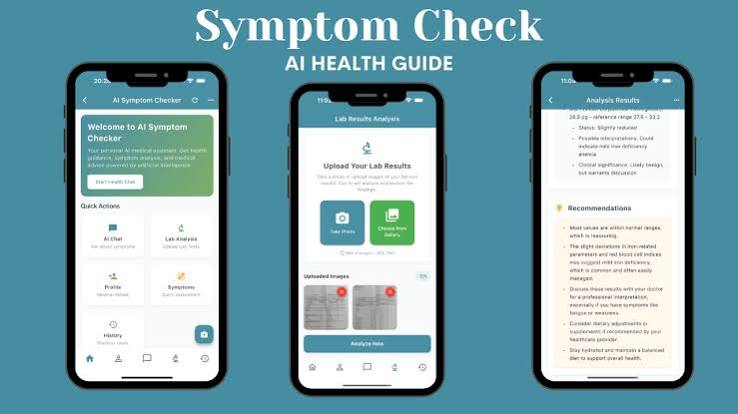
    But last week, I tried something different. Instead of typing symptoms into a search bar, I opened an AI chatbot and described my rash in plain English. Four seconds later, it gave me a list of likely causes, asked a clarifying question, and suggested I see a dermatologist if it didn’t improve in a week. No panic, no doom-scrolling, just a clear, synthesized answer. This is the promise of AI symptom checkers: speed, context, and calm. But can they really replace the diagnostic power of a human doctor? Let’s dig into what these tools can and can’t do.

    The Problem with Dr. Google

    For years, the go-to method for self-diagnosis has been search engines. Google processes over 1 billion health-related queries daily. But searching for symptoms is like opening a firehose of information: you get pages of WebMD, Mayo Clinic articles, Reddit threads, and content farms, all with varying degrees of credibility. You have to click through, compare sources, and filter out the noise. A 2020 study found that 35% of US adults have used the internet to self-diagnose, and a significant portion of them end up with ‘cyberchondria’ — anxiety triggered by the alarming, worst-case-scenario results that search engines often surface. A headache becomes a brain tumor; a cough becomes lung cancer. This is not just an inconvenience; it can lead to unnecessary stress and even delayed care when people either overreact or dismiss real symptoms.

    The AI Alternative: Conversational Symptom Checkers

    AI-powered symptom checkers — like ChatGPT, Google’s Gemini, and specialized tools such as Ada Health, K Health, and Buoy — offer a different approach. Instead of returning a list of links, they engage in a conversation. You describe your symptoms in your own words, and the AI asks clarifying questions, just like a doctor would. It synthesizes your answers and provides a list of possible conditions, ranked by likelihood, in seconds. The 4-second diagnosis I experienced is not unusual; LLMs can process and analyze text at lightning speed.

    The key advantage is the conversational back-and-forth. A search engine doesn’t know you; it just matches keywords. An AI can ask, ‘Does the pain worsen when you eat?’ or ‘Have you noticed any other symptoms like fever?’ This mimics a clinician’s history-taking, providing a more personalized and nuanced response.

    How Accurate Are These Tools?

    Accuracy is the elephant in the room. Studies show that AI symptom checkers get the correct diagnosis in the top-3 list roughly 50-70% of the time, depending on the tool and the case. A 2023 study in JAMA Internal Medicine found that ChatGPT performed comparably to physicians in some diagnostic scenarios but had significant gaps. For common, straightforward conditions, AI can be remarkably accurate. For rare or complex diseases, it often misses the mark.

    It’s also important to understand what these tools are actually doing. They are not ‘diagnosing’ in the clinical sense. They are pattern-matching your symptoms against vast datasets of medical information to generate a list of differential possibilities. A doctor’s diagnosis involves clinical judgment, physical examination, and often lab tests. An AI cannot touch you, cannot run tests, and cannot read your body language. It operates purely on the information you provide, which may be incomplete or inaccurate.

    The Regulatory Gray Zone

    Most consumer AI symptom checkers are not FDA-approved as medical devices. They are marketed as ‘informational tools’ or ‘wellness aids,’ not diagnostic instruments. This means they don’t have to meet the same rigorous standards as medical devices. The disclaimer on these apps often reads: ‘This tool is for informational purposes only and is not a substitute for professional medical advice.’ That’s a critical caveat.

    This regulatory gray zone raises ethical and legal questions. Who is liable if an AI gives a wrong answer that leads to harm? Can you sue a chatbot? These are open questions that regulators are still grappling with. In the meantime, it’s up to the user to use these tools responsibly.

    Could AI Cure Cyberchondria?

    One of the most intriguing possibilities is that AI could actually reduce health anxiety. Instead of being bombarded with worst-case scenarios, you get a calm, synthesized answer that puts your symptoms in perspective. AI can say, ‘This is most likely a minor skin irritation, but if it spreads or doesn’t improve in a week, consult a doctor.’ This kind of contextual framing can be incredibly reassuring.

    However, the opposite is also possible. If an AI suggests a serious condition without proper framing — for example, listing ‘brain tumor’ as a possibility for a headache — it could amplify anxiety. The way the AI communicates risk is crucial. Some tools do this well, others not so much.

    Equity and Access: A Double-Edged Sword

    AI symptom checkers could be a boon for underserved populations who lack easy access to doctors. They are available 24/7, cost little or nothing, and can be used from a smartphone. They could help people in rural areas or developing countries get preliminary guidance without traveling long distances.

    But there are barriers. These tools require digital literacy, internet access, and often English proficiency, although multilingual support is growing. They also rely on the user being able to describe their symptoms accurately. If you’re not tech-savvy or if you’re in a panic, you might not use the tool effectively.

    The Enthusiast’s View: Empowering Patients

    Proponents argue that AI symptom checkers are a revolutionary triage tool. They give patients immediate, personalized information, reducing unnecessary doctor visits and providing clarity. For minor issues, an AI can reassure you that it’s nothing serious. For more concerning symptoms, it can prompt you to seek care sooner. This can save time, money, and even lives.

    The Skeptic’s View: Dangerous Over-Trust

    Medical professionals warn against over-reliance on these tools. They lack context (your medical history, physical exam findings, and lab results). They can miss rare or complex conditions, and they might encourage delayed care if they incorrectly reassure you. The ‘black box’ problem is also a concern: users don’t know why the AI gave a particular answer, so they can’t assess its reliability.

    My Take: Use It as a First Step, Not a Last Word

    So, should you stop Googling your symptoms? Yes, perhaps. But should you replace your doctor with an AI? Absolutely not. These tools are best used as a starting point — a way to get quick, synthesized information and decide whether you need to see a professional. They are not a substitute for a doctor’s judgment.

    My 4-second experience was genuinely helpful. It gave me peace of mind and a clear action plan. But I knew its limitations. It wasn’t diagnosing me; it was offering possibilities based on a pattern. For anything serious, persistent, or concerning, I’d still go to a doctor. The key is to use AI as an informed companion, not an oracle.

    The next time you have a weird symptom, resist the urge to Google. Instead, try an AI symptom checker. You’ll get a faster, more contextualized answer, and you might just avoid the dreaded cyberchondria spiral. But remember: these tools are a starting point, not a final diagnosis. Use them to gather information, but always let a real doctor make the call.

    Summary

    • AI symptom checkers can synthesize your symptoms into a list of possible causes in seconds, unlike traditional search engines that return a jumble of links.
    • Studies show AI tools are correct in the top-3 diagnoses 50-70% of the time, but they are not FDA-approved and lack clinical judgment.
    • These tools are best used for triage, not as a replacement for professional medical advice.
    • They may reduce cyberchondria by providing calm, contextual answers, but they can also amplify anxiety if they suggest serious conditions without proper framing.
    • Access and digital literacy are barriers, but AI tools could help underserved populations if made more accessible.

    FAQ

    Q: Are AI symptom checkers accurate?
    A: Studies show they get the correct diagnosis in the top-3 list about 50-70% of the time, but accuracy varies by tool and condition. They are not as reliable as a doctor’s diagnosis.

    Q: Can AI tools actually diagnose me?
    A: No. They generate possible causes based on pattern matching, but they do not have the clinical context or ability to perform exams and tests. They are informational tools, not diagnostic instruments.

    Q: Are these tools FDA-approved?
    A: Most consumer AI symptom checkers are not FDA-approved as medical devices. They are marketed as ‘informational’ or ‘wellness’ tools.

    Q: Is it safe to use AI instead of seeing a doctor?
    A: It is not safe to rely solely on AI for serious or persistent symptoms. Use it as a triage tool to decide if you need to see a doctor, but always seek professional care for concerning issues.

    Q: Can AI reduce health anxiety?
    A: Possibly, by providing calm, synthesized answers instead of alarming search results. However, it can also amplify anxiety if it suggests serious conditions without proper framing. Use it with caution.
  • How AI Is Reshaping Alzheimer’s Diagnosis and Drug Discovery

    How AI Is Reshaping Alzheimer’s Diagnosis and Drug Discovery

    Every 3 seconds, someone in the world develops dementia, and Alzheimer’s disease is the most common cause, representing 60–80% of cases. With over 55 million people currently living with dementia—a number projected to hit 139 million by 2050—the need for earlier detection and effective treatments has never been more urgent.

    Artificial intelligence is stepping into this gap. While no cure exists yet, AI is already helping researchers spot the disease years earlier, identify new drug candidates from existing medicines, and design more efficient clinical trials. This article explores what AI is actually doing today in Alzheimer’s research, grounded in current scientific evidence, without overpromising.

    The Challenge: A Disease That’s Hard to Detect and Harder to Treat

    Alzheimer’s is a complex neurodegenerative condition marked by amyloid-beta plaques, tau tangles, and progressive brain cell death. For decades, the ‘amyloid hypothesis’ dominated research, but repeated drug trial failures have shown that the disease involves multiple factors—genetics, vascular health, and immune response—making it multifactorial. This complexity is one reason why AI’s ability to integrate diverse data is so valuable.

    Current treatments like donepezil and memantine only manage symptoms, and even the newly approved anti-amyloid antibodies (aducanumab, lecanemab) modestly slow progression at best. The global cost of dementia care exceeds $1.3 trillion annually, and the historical failure rate for Alzheimer’s drug candidates is around 99%. These numbers highlight the pressing need for new approaches.

    What AI Does Today: Concrete Applications

    Imaging Analysis: Seeing What the Eye Misses

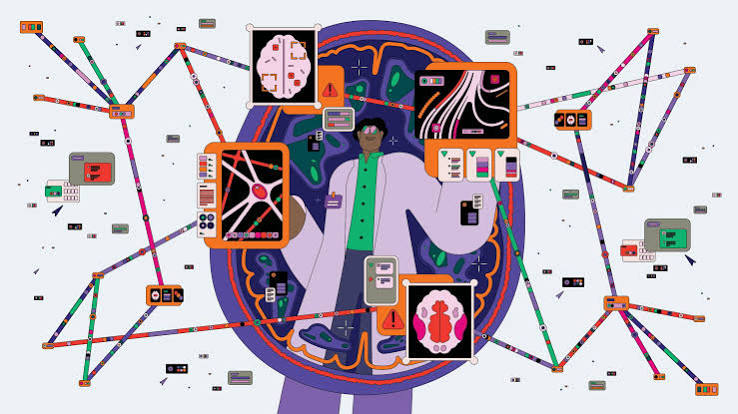
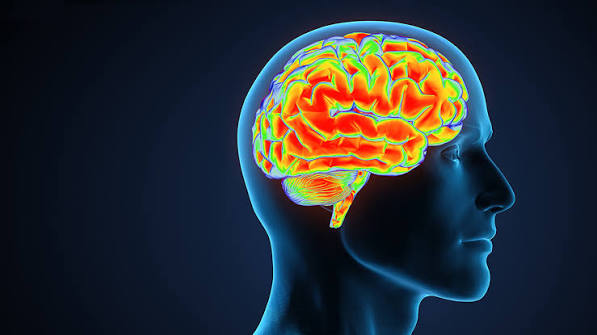
    Deep learning models, especially convolutional neural networks (CNNs), can analyze PET and MRI scans to detect amyloid plaques, tau tangles, and brain atrophy. Studies since 2016 have shown these models achieve accuracy above 90% in diagnosing Alzheimer’s from MRI, sometimes outperforming expert radiologists. For example, the FDA has already approved an AI-based diagnostic tool called ICADx for brain imaging, signaling regulatory acceptance.

    Blood Biomarkers: A Simple Test for Early Signs

    Machine learning is being used to identify combinations of plasma proteins and genetic markers that predict Alzheimer’s pathology years before symptoms appear. Notably, assays for p-tau217 are showing promise. In large validation cohorts, AI-driven blood biomarker panels are approaching clinical utility, potentially enabling population-wide screening with a simple blood draw.

    Drug Repurposing: Finding New Uses for Old Drugs

    AI platforms like BenevolentAI and Insilico Medicine have analyzed existing drugs and identified candidates for Alzheimer’s clinical trials. For instance, metformin, a common diabetes drug, and certain anti-inflammatory medications have emerged as potential repurposing candidates. This approach could cut the traditional 10–15 year drug development timeline down to 3–5 years.

    Speech Analysis: Listening for Early Clues

    Natural language processing (NLP) models can detect subtle linguistic changes in voice recordings—word-finding difficulties, unusual pauses, syntactic errors—that correlate with early cognitive decline. This non-invasive method could be used for low-cost screening in primary care settings.

    Clinical Trial Design: Improving Success Rates

    AI is helping to stratify patient populations, predict trial outcomes, and reduce the staggering 99% failure rate. By identifying which patients are most likely to respond to a given therapy, AI can make trials smaller, faster, and more likely to succeed.

    The Science Behind the Scenes

    Several AI techniques are at work:
    Deep learning (CNNs) for imaging analysis.
    NLP for electronic health records and speech.
    Reinforcement learning for optimizing drug dosing and combination therapies.
    Generative models (GANs, VAEs) for synthesizing missing imaging data and simulating disease progression.
    Graph neural networks for modeling protein-protein interactions in Alzheimer’s pathways.

    These methods allow researchers to integrate multi-omic data—genomics, proteomics, imaging, and clinical records—to understand the disease as a system, not in isolation.

    Why Now? The Perfect Storm

    The convergence of three factors explains the recent surge in AI for Alzheimer’s:

    1. Data explosion: Datasets like the Alzheimer’s Disease Neuroimaging Initiative (ADNI) and UK Biobank provide thousands of longitudinal scans and clinical records, giving AI models the training data they need.
    2. Computational advances: GPU computing and cloud infrastructure make training large models feasible.
    3. Funding and regulatory support: The NIH’s AIM-AHEAD program and the Alzheimer’s Association’s AI initiatives have injected substantial funding, while the FDA is developing frameworks for AI in drug discovery.

    The Optimistic View: What Could Be Possible

    If current trends continue, AI could enable:
    Population-wide screening using cheap blood tests and voice analysis, catching Alzheimer’s 10–15 years earlier than current methods.
    Personalized medicine by stratifying patients into subtypes (e.g., ‘inflammatory,’ ‘metabolic,’ ‘vascular’ Alzheimer’s) and matching them to targeted therapies.
    Accelerated drug discovery through in silico screening of millions of compounds.

    These possibilities are grounded in today’s research, but translating them into routine clinical practice will require rigorous validation and careful integration into healthcare systems.

    AI is not a magic bullet for Alzheimer’s, but it is already a powerful tool in the research arsenal. From detecting the disease on brain scans to repurposing existing drugs, AI is helping scientists move faster and think more broadly. While a cure remains elusive, the combination of AI’s analytical power and growing biological understanding offers a realistic path toward earlier diagnosis and more effective treatments. The next decade will likely see these tools move from research labs into clinics, changing how we approach this devastating disease.

    Summary

    • AI models can detect Alzheimer’s on brain scans with accuracy comparable to or better than expert radiologists.
    • Machine learning is enabling blood tests that predict Alzheimer’s pathology years before symptoms appear.
    • AI-driven drug repurposing has identified existing drugs like metformin as candidates for Alzheimer’s trials.
    • Natural language processing can spot early cognitive decline through subtle changes in speech.
    • AI is improving clinical trial design by better stratifying patients, potentially reducing the 99% failure rate for Alzheimer’s drugs.

    FAQ

    Q: Can AI diagnose Alzheimer’s disease?
    A: AI models can analyze brain scans (MRI, PET) and blood biomarkers to detect signs of Alzheimer’s with high accuracy, often comparable to expert doctors. However, AI is not yet used as a standalone diagnostic tool in routine clinical practice; it assists clinicians by providing additional data.

    Q: How does AI help find new Alzheimer’s treatments?
    A: AI helps in two main ways: by screening existing drugs for repurposing (identifying new uses for current medications) and by analyzing biological data to discover new drug targets. For example, AI platforms have identified metformin as a potential Alzheimer’s therapy.

    Q: Is AI currently being used in Alzheimer’s clinical trials?
    A: Yes, AI is used to select participants, predict outcomes, and monitor progression. This can make trials more efficient and increase the chances of detecting a treatment effect.

    Q: What are the limitations of AI in Alzheimer’s research?
    A: AI models require large, high-quality datasets, and they can be biased if the data is not diverse. Also, AI findings need validation in real-world settings. Finally, AI does not yet provide a cure; it helps with diagnosis and drug discovery.

    Q: When will AI-based Alzheimer’s tools become widely available?
    A: Some AI-based diagnostic tools have already been approved by regulators (e.g., ICADx for brain imaging). Blood tests and speech analysis are in advanced stages of validation and could become common within the next few years, but widespread use depends on regulatory approvals and healthcare adoption.

  • Alzheimer’s Blood Tests Are Transforming Diagnosis: What You Need to Know

    Alzheimer’s Blood Tests Are Transforming Diagnosis: What You Need to Know

    For decades, diagnosing Alzheimer’s disease has been a frustrating guessing game. Doctors relied on cognitive tests and patient history, often leading to misdiagnosis or years of uncertainty. A definitive diagnosis required either a costly PET scan or an invasive spinal tap—procedures that many patients never receive. But that’s changing. New blood tests that detect Alzheimer’s-related proteins are poised to revolutionize how we diagnose this devastating disease, making it faster, cheaper, and more accessible than ever before.

    At the Alzheimer’s Association International Conference (AAIC) in 2024, researchers presented compelling evidence that these blood tests can identify Alzheimer’s pathology with 85–95% accuracy, rivaling the gold standards of PET scans and cerebrospinal fluid analysis. This breakthrough comes at a critical time, as new amyloid-targeting drugs like lecanemab and donanemab require confirmed amyloid pathology before they can be prescribed. Here’s what you need to know about these transformative tests, their promise, and their limitations.

    What Are Alzheimer’s Blood Tests?

    Alzheimer’s blood tests measure specific biomarkers in the blood that indicate the presence of Alzheimer’s disease pathology in the brain. The two main types of biomarkers are:

    • Amyloid-beta (Aβ42/Aβ40 ratio): Amyloid plaques are a hallmark of Alzheimer’s. The ratio of these two protein fragments in blood correlates with the amount of amyloid buildup in the brain.
    • Phosphorylated tau (p-tau181, p-tau217, p-tau231): Tau tangles are another hallmark. Elevated levels of phosphorylated tau in blood are strongly associated with Alzheimer’s-related neurodegeneration.

    Among these, p-tau217 is considered the most promising single biomarker due to its high accuracy and specificity. Several companies, including C2N Diagnostics, ALZpath, Roche, and Eli Lilly, have developed tests targeting these biomarkers.

    How Accurate Are They?

    Studies presented at AAIC 2024 showed that blood tests can detect amyloid pathology with 85–95% accuracy when compared to PET scans or CSF analysis. For example, the Swedish BioFINDER study and the US-based Alzheimer’s Disease Neuroimaging Initiative found that blood tests could reduce the need for PET or CSF by 60–80% in memory clinic settings. This means that many patients could get a reliable diagnosis without undergoing expensive or invasive procedures.

    However, it’s important to note that no blood test is 100% accurate, and results should be interpreted in the context of a full clinical evaluation. A positive blood test doesn’t necessarily mean a person will develop dementia, and a negative test doesn’t completely rule out Alzheimer’s.

    Why This Matters: The Shift to Biological Diagnosis

    Alzheimer’s disease is no longer defined solely by its symptoms. The 2018 NIA-AA research framework and the 2024 revised criteria propose diagnosing Alzheimer’s based on biological markers, even before symptoms appear. This paradigm shift means that Alzheimer’s is now understood as a biological disease characterized by amyloid and tau pathology, rather than just a clinical syndrome.

    This shift is driven by the arrival of disease-modifying therapies. Drugs like lecanemab (Leqembi) and donanemab (Kisunla) are anti-amyloid monoclonal antibodies that can slow cognitive decline, but they are only approved for patients with confirmed amyloid pathology. Blood tests provide a practical way to identify eligible patients quickly and efficiently.

    The Primary Care Gap

    One of the most exciting aspects of blood tests is their potential to improve diagnosis in primary care settings. Currently, primary care physicians often miss or misdiagnose Alzheimer’s—studies suggest misdiagnosis rates of 40–60%. Blood tests could serve as a triage tool, helping primary care doctors identify patients who need further evaluation or referral to specialists.

    This could dramatically reduce disparities in diagnosis. PET scans are expensive (around $5,000) and not widely available, and lumbar punctures are invasive and underutilized. Blood tests, costing between $200 and $1,500, are far more accessible and could help patients in rural areas, minority communities, and low-income populations get earlier and more accurate diagnoses.

    The Concerns: Overdiagnosis and Ethical Dilemmas

    Despite their promise, Alzheimer’s blood tests raise important concerns:

    • Overdiagnosis: About 20–30% of cognitively normal adults over 70 have amyloid plaques in their brains. A positive blood test in a healthy person could cause anxiety, stigma, and lead to unnecessary treatments.
    • Clinical utility: For many patients, knowing their amyloid status doesn’t change their treatment plan. There is no cure, and the available drugs have modest benefits and serious side effects, including brain swelling and bleeding.
    • Direct-to-consumer tests: Quest Diagnostics offers a direct-to-consumer AD-Detect test, which has sparked controversy. Marketing these tests to healthy individuals without medical supervision raises ethical and regulatory red flags.

    Primary care physicians also worry about their lack of training to interpret results and the absence of clear follow-up protocols. They need clinical decision support and guidelines on who should be tested—symptomatic patients only, or also at-risk asymptomatic individuals?

    The Road Ahead: Regulation and Reimbursement

    As of 2024, no standalone blood test has full FDA approval for Alzheimer’s diagnosis without confirmatory testing. However, several tests have received FDA Breakthrough Device Designation, and C2N’s PrecivityAD has received De Novo marketing authorization for use in symptomatic patients. The FDA has issued draft guidance for Alzheimer’s blood test development, but international standards are still lacking.

    Reimbursement is another hurdle. Medicare and insurance coverage varies widely, and many plans do not yet cover these tests. Health systems are weighing the cost-effectiveness: blood tests could save billions by avoiding unnecessary PET scans and specialist referrals, but widespread adoption could overwhelm memory clinics with follow-up appointments for positive results.

    What This Means for Patients and Families

    For patients and families, the arrival of blood tests is a double-edged sword. On one hand, early and accurate diagnosis enables timely access to new treatments, clinical trials, and lifestyle interventions. It also allows individuals to plan for the future—legal, financial, and care arrangements—while they still have the capacity to do so.

    On the other hand, a positive result can be devastating, especially if it comes without a clear treatment plan. It’s crucial that blood tests are used responsibly, with proper counseling and support.

    Conclusion

    Alzheimer’s blood tests are a game-changer, offering a less invasive, more accessible path to diagnosis. They are not perfect, and they won’t replace clinical judgment, but they have the potential to transform how we detect and manage Alzheimer’s disease. As research continues and regulations evolve, these tests will likely become a standard part of dementia care—bringing hope to millions of patients and families who have long waited for answers.

    The era of Alzheimer’s blood tests is here, and it’s reshaping the landscape of dementia diagnosis. While challenges remain—from overdiagnosis to reimbursement—the benefits of early, accurate, and equitable detection are undeniable. As these tests become more refined and widely available, they promise to bring clarity to patients, empower primary care physicians, and pave the way for earlier intervention. The future of Alzheimer’s diagnosis is not in the brain scan or the spinal tap, but in a simple blood draw.

    Summary

    • Blood tests detect Alzheimer’s biomarkers (amyloid-beta and phosphorylated tau) with 85–95% accuracy compared to PET/CSF.
    • They are cheaper and less invasive than traditional methods, potentially improving access and equity in diagnosis.
    • New Alzheimer’s drugs require confirmed amyloid pathology, creating urgent demand for these tests.
    • Concerns include overdiagnosis, lack of clinical utility for many, and direct-to-consumer marketing.
    • No standalone test has full FDA approval yet, and reimbursement is inconsistent.

    FAQ

    Q: Can a blood test definitively diagnose Alzheimer’s disease?
    A: No. Blood tests are highly accurate but not 100% definitive. They detect biomarkers associated with Alzheimer’s, but a diagnosis should be made by a clinician considering the full picture—symptoms, medical history, and other tests.

    Q: Who should get an Alzheimer’s blood test?
    A: Currently, these tests are recommended for people with cognitive symptoms, such as memory loss or confusion, to help determine if Alzheimer’s is the cause. They are not yet recommended for asymptomatic individuals, except in research settings.

    Q: How much do Alzheimer’s blood tests cost?
    A: Prices range from $200 to $1,500 per test, depending on the specific test and laboratory. Insurance coverage varies, and many plans do not yet cover them.

    Q: Are these tests covered by Medicare?
    A: Coverage is inconsistent. Some Medicare Advantage plans may cover them, but traditional Medicare generally does not yet reimburse for Alzheimer’s blood tests. Check with your provider.

    Q: What should I do if my blood test is positive?
    A: A positive result means you have amyloid pathology, but it doesn’t mean you will definitely develop dementia. Discuss the results with your doctor, who may recommend further evaluation, lifestyle changes, or potential treatment options.