Tag: dementia

  • How Choir Singing Rewires the Brain for People with Neurological Conditions

    How Choir Singing Rewires the Brain for People with Neurological Conditions

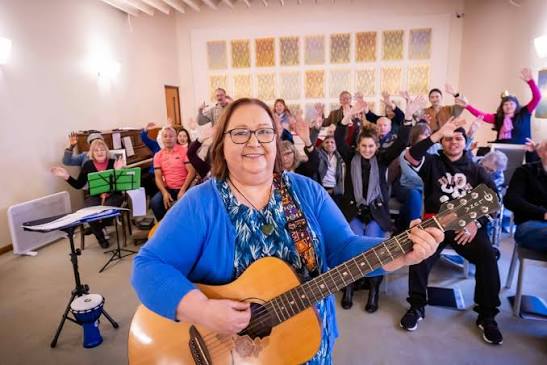
    Imagine losing the ability to speak clearly, to find the right word, or to move with ease yet still being able to sing a familiar song from start to finish. For many people living with Parkinson’s disease, stroke-induced aphasia, or dementia, this is not a fantasy but a weekly reality in community choirs built around their needs. Over the past two decades, a growing body of research has shown that singing in a choir offers measurable therapeutic benefits, from improving speech and respiratory function to lifting mood and fostering social connection. The science behind this is as compelling as the sound: singing activates brain regions that speech cannot, creating new neural pathways around damaged areas. This article explores how something as simple as raising your voice in harmony can hit the right note for brain health.

    The Brain on Choir Singing: More Than Just Music

    When you speak, your brain relies heavily on the left hemisphere. But singing is different: it engages both hemispheres, tapping into right-brain regions that handle melody, rhythm, and emotion. This bilateral engagement is the key to why choir singing helps people with neurological damage. For someone with a left-hemisphere stroke that impairs speech, singing can “re-route” the message through intact right-hemisphere pathways. This is the same principle behind melodic intonation therapy (MIT), a clinical technique where patients sing phrases in a sing-song pattern to recover language. Choir singing is a community-based, joyful extension of that therapy.

    Moreover, the rhythmic structure of singing activates the motor system, which is why people with Parkinson’s disease often find it easier to walk or move in time to music. This effect, known as rhythmic auditory stimulation, has been shown to improve gait and reduce freezing episodes. Singing also strengthens respiratory muscles, increasing breath control and voice volume—a common challenge for Parkinson’s patients who speak softly.

    What the Research Shows: From Voice Volume to Mood

    One of the most extensively studied programs is “Singing for Parkinson’s,” a UK initiative that has been the focus of research by the Royal College of Music and the University of London. Studies have found that participants improve in voice volume and swallowing function—both critical for daily living. In one study, after just a few months of weekly sessions, patients sang with more power and spoke more loudly, reducing the social isolation that comes from being hard to hear.

    In dementia care, the “Sing to Remember” program at the University of Sydney has shown that choir participation improves cognition and quality of life scores. Depression scores drop, and participants often display more positive affect. A key finding is that even when dementia has eroded memory and language, familiar songs can unlock memories and emotions, allowing people to reconnect with their identities. This counters the “loss of self” that many patients report after diagnosis.

    Aphasia choirs, which exist in the UK and US, demonstrate a remarkable phenomenon: people who cannot speak a single word can sing entire lyrics fluently. This is because singing relies on different neural circuits than speech, allowing expression to flow when conversation is impossible. For someone with severe aphasia, singing is a lifeline to communication and self-expression.

    The Social Prescription: Choirs as a Safe Haven

    Beyond the neurological benefits, choir singing addresses a profound psychological need: connection. A diagnosis of a brain condition often brings what researchers call “social death.” People withdraw because they can no longer keep up in conversations or move normally. They feel stigmatized and isolated. Choirs offer a structured, low-pressure environment where everyone sings together, and mistakes are absorbed by the group—a “safe failure” space.

    In these choirs, there is no expectation to converse fluently; the music itself is the communication. This reduces anxiety and fosters a sense of belonging. Many programs also include caregivers, providing them with a shared positive activity and alleviating the burden of care. The result is a community where people are valued for their participation, not their deficits.

    A Brief History and the Current Landscape

    The idea of using community singing for health is not new, but clinical recognition has grown only in the last 15–20 years. The Alzheimer’s Society’s “Singing for the Brain” program began in the UK in 2003 and has since expanded globally. Parkinson’s-specific choirs, such as the Parkinson’s Voice Project in the US, have multiplied since 2010. Today, programs exist across the UK, US, Australia, Canada, and Europe, often led by music therapists or speech-language pathologists with neurological training. Some are integrated into hospital rehabilitation services, while others are community-based charities.

    A notable development is the rise of online choirs during the COVID-19 pandemic. Telehealth choir sessions have made participation possible for housebound patients, and many have continued in hybrid form, expanding access to those who cannot travel. This has opened new doors for people in rural areas or with mobility issues.

    Beyond Parkinson’s: Emerging Applications

    While Parkinson’s disease has the most research, the benefits extend to other conditions. Studies are emerging for multiple sclerosis (MS), traumatic brain injury (TBI), and Huntington’s disease, with preliminary findings suggesting improvements in mood, respiratory function, and social connection. The underlying mechanisms—bilateral brain activation, rhythmic engagement, and emotional regulation—are likely universal across neurological conditions.

    The broader “Music and Memory” movement has underscored how music can unlock memories in dementia, and choir singing is a social, active form of this. The evidence is clear: choir singing is not just a pleasant pastime; it is a therapeutic tool that can improve quality of life in measurable ways.

    How to Get Involved or Start a Program

    If you or a loved one lives with a neurological condition, joining a choir could be a transformative step. Search for local “Singing for Parkinson’s,” “Singing for the Brain,” or aphasia choirs. Many are free or low-cost, and they welcome people at all skill levels—no musical experience required. For healthcare professionals, consider referring patients to these groups as adjunctive therapy. And for community leaders, starting a choir requires a trained leader, a supportive venue, and a willingness to embrace the power of song. The research shows that the payoff is real: better speech, brighter mood, and a stronger sense of self.

    Choir singing offers a unique blend of neurological, psychological, and social benefits that can significantly improve the lives of people with brain conditions. From enabling speech in aphasia to steadying gait in Parkinson’s, the act of singing together rewires the brain and reconnects the individual. As research continues to expand, these choirs are moving from the margins of therapy to the mainstream of care. The next time you hear a choir, remember: for some, it is not just music—it is medicine.

    Summary

    • Singing engages both brain hemispheres, enabling neuroplastic rerouting around damage.
    • Choir singing improves speech, respiratory function, and voice volume in Parkinson’s and stroke patients.
    • Group singing reduces depression and improves cognition in dementia patients.
    • Aphasia patients can sing lyrics they cannot speak, offering a vital communication outlet.
    • Choirs provide social connection and reduce isolation, countering the ‘social death’ of neurological diagnosis.

    FAQ

    Q: Is choir singing a replacement for speech therapy or medication?
    A: No. Choir singing is considered an adjunctive therapy—it complements, but does not replace, standard treatments. It works alongside speech-language therapy and medication to enhance outcomes.

    Q: Do I need to be a good singer to join a choir for neurological conditions?
    A: Absolutely not. These choirs are designed for people with all levels of ability. The focus is on participation and enjoyment, not performance quality. No musical training is required.

    Q: What conditions can benefit from choir singing?
    A: The most research supports benefits for Parkinson’s disease, stroke (especially aphasia), and dementia. Emerging evidence also points to benefits for multiple sclerosis, traumatic brain injury, and Huntington’s disease.

    Q: Can I join an online choir if I am housebound?
    A: Yes. Many choirs now offer online or hybrid sessions, which became popular during the COVID-19 pandemic. This allows people with mobility issues or in remote areas to participate from home.

    Q: How do I find a choir for someone with a neurological condition?
    A: Start by searching for local programs like ‘Singing for Parkinson’s,’ ‘Singing for the Brain,’ or aphasia choirs. These are often run by music therapists or speech-language pathologists. Your healthcare provider may also have referrals.
  • How Senior Centers Are Bridging the Gap in Memory Care Deserts

    How Senior Centers Are Bridging the Gap in Memory Care Deserts

    For millions of rural Americans, a memory care specialist might as well be on the moon. With neurologists clustered in cities and rural hospitals closing at an alarming rate, people with dementia and their families often face impossible choices: travel hundreds of miles for a diagnosis, or go without. But a quiet solution is emerging in the unlikeliest of places—the local senior center.

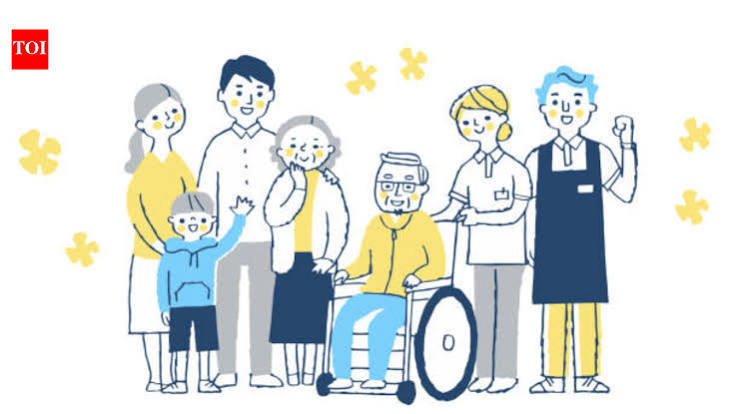
    Senior centers, long seen as places for bingo and lunch, are evolving into vital health access points. In communities where specialized brain care is scarce, these centers are stepping up to offer memory screenings, caregiver support, and even telehealth consultations with neurologists. They’re not replacing doctors, but they’re building a bridge across the care gap—and they’re doing it with trust, familiarity, and a hot meal.

    The Reality of Memory Care Deserts

    Imagine living in a rural town where the nearest neurologist is a three-hour drive away. For many older Americans, this isn’t hypothetical—it’s daily life. Memory care deserts are geographic areas, disproportionately rural, where residents lack access to dementia specialists like neurologists, geriatric psychiatrists, and memory clinics. The U.S. is facing a projected shortage of up to 40% in neurologist demand by 2025, and rural areas are hit hardest.

    The numbers are stark. About 6.9 million Americans aged 65 and older live with Alzheimer’s dementia, and that number is expected to nearly double to 13 million by 2050. Rural residents with dementia are less likely to get an early diagnosis, less likely to receive appropriate medications, and more likely to be hospitalized for preventable complications. The reasons are clear: too few specialists, too many miles, and too little transportation.

    Rural hospitals have been closing at an alarming rate—over 100 since 2010—erasing even basic care infrastructure. Rural populations are older, poorer, and sicker on average, with higher rates of hypertension and diabetes that compound dementia risk. And when you’re 80 years old, a 100-mile round trip for a 30-minute appointment isn’t just inconvenient; it’s often impossible.

    The Untapped Potential of Senior Centers

    But here’s the thing: there are roughly 11,000 senior centers in the U.S., serving about 1 million older adults daily. Many are located in precisely the rural and underserved communities where memory care is scarce. These centers are already trusted gathering places, and they’re increasingly functioning as de facto health access points—offering screenings, health education, and referrals, even if that role is often underfunded and under-recognized.

    Senior centers were originally created in the 1960s and 70s under the Older Americans Act as social and meal sites. But they’ve evolved. Today, many host blood pressure checks, flu shots, and exercise classes. The Older Americans Act, reauthorized through 2024, explicitly supports ‘evidence-based disease prevention and health promotion services’ at senior centers, providing a statutory foundation for expanded health roles.

    The potential is enormous. Emerging models show senior centers hosting memory screenings, caregiver support groups, telehealth-enabled neurology consultations, and cognitive stimulation programs like cognitive fitness classes and music therapy. These aren’t just nice-to-haves; they’re lifelines.

    How Senior Centers Are Making a Difference

    Let’s look at what’s actually happening on the ground. Some rural senior centers have independently developed memory cafés—welcoming, social spaces where people with dementia and their caregivers can gather without stigma. Others have formed caregiver coalitions, offering peer support and practical guidance that formal healthcare often doesn’t provide.

    More formally, some centers are partnering with healthcare systems to host telehealth-enabled memory clinics. In these models, a senior center provides the space, the technology, and a trained staff member to assist, while a neurologist consults remotely. Pilot studies have shown promising diagnostic accuracy, though challenges like rural broadband gaps and staff digital literacy remain.

    The Collaborative Care Model—an evidence-based, team-based approach to mental and cognitive health in primary care—has also shown success in rural settings. Senior centers can help provide the infrastructure this model needs: space, community trust, and patient navigation.

    The Trust Factor

    One of the most powerful advantages senior centers have is trust. In rural communities, senior centers are often the most trusted institutions—more than hospitals or clinics—because they are social, non-clinical spaces. People go there to see friends, play cards, and share meals. That familiarity makes it easier to talk about memory concerns, which are often shrouded in fear and denial.

    Caregivers, often adult children, report that senior centers provide respite, peer support, and practical guidance that formal healthcare doesn’t. When you’re caring for a spouse with Alzheimer’s, a few hours of relief and a conversation with someone who understands can be transformative.

    Challenges and Cautions

    Of course, there are valid concerns. Critics warn against ‘mission creep’—turning social centers into quasi-clinics without proper training or oversight. Senior center staff are not clinically trained, and there’s a risk of missed diagnoses or inappropriate reassurance. Clear protocols and supervision pathways are essential.

    Funding is another hurdle. Most senior centers operate on shoestring budgets with part-time staff. Expanding their health role requires dedicated funding streams, not just ad hoc grants. The BOLD Infrastructure for Alzheimer’s Act, passed in 2018, created public health infrastructure for dementia, but its funding has been modest and unevenly distributed.

    Telehealth also isn’t a silver bullet. Rural broadband gaps persist, and not all older adults are comfortable with technology. But with relaxed reimbursement rules post-COVID-19, specialist-to-community-site consultations are more feasible than ever.

    A Path Forward

    So what’s the solution? It’s not about turning senior centers into medical clinics. It’s about recognizing them as community health access points—places that can bridge the gap between a rural community and the specialists who are miles away.

    This means investing in senior centers as part of the public health infrastructure for dementia. It means training staff to recognize warning signs and connect people to care. It means partnering with healthcare systems to bring telehealth services to places where people already gather. And it means listening to the communities themselves, who have already shown what’s possible with organic, grassroots efforts.

    In memory care deserts, senior centers aren’t just a nice amenity—they’re a lifeline. By supporting them, we can help ensure that no one faces dementia alone, no matter how far they live from a specialist.

    The gap in memory care is vast, but senior centers offer a uniquely positioned bridge. They’re trusted, they’re local, and they’re already serving the people who need help most. With the right support, they can become the front door to cognitive care for millions of rural Americans—proving that sometimes, the best solutions are the ones right in our own backyard.

    Summary

    • Memory care deserts are rural areas lacking access to dementia specialists, with a projected 40% neurologist shortage by 2025.
    • Senior centers, numbering 11,000 and serving 1 million daily, are evolving into health access points in underserved communities.
    • They host memory screenings, caregiver support, telehealth neurology, and cognitive programs, leveraging high community trust.
    • Challenges include staff training, funding, and broadband gaps, but models like the Collaborative Care approach show promise.
    • Policy support, such as the Older Americans Act and BOLD Act, provides a foundation for formalizing senior centers’ role in cognitive care.

    FAQ

    Q: What is a memory care desert?
    A: A memory care desert is a geographic area, often rural, where residents lack access to specialized dementia care like neurologists, geriatric psychiatrists, and memory clinics.

    Q: How can senior centers help with memory care?
    A: Senior centers can host memory screenings, caregiver support groups, telehealth consultations with specialists, and cognitive stimulation programs, acting as trusted local hubs for brain health.

    Q: Are senior center staff qualified to provide health services?
    A: Not typically, but they can be trained to recognize warning signs and facilitate connections to care. Clinical services are provided by licensed professionals via telehealth or partnerships.

    Q: What are the main challenges to expanding senior center health roles?
    A: Funding is limited, staff may lack clinical training, and rural broadband gaps can hinder telehealth. Clear protocols and partnerships are needed.

    Q: Is there policy support for this approach?
    A: Yes, the Older Americans Act supports health promotion at senior centers, and the BOLD Infrastructure for Alzheimer’s Act provides some funding, though more dedicated support is needed.

  • Can We Prevent Dementia? A New Trial Aims to Find Out

    Can We Prevent Dementia? A New Trial Aims to Find Out

    For decades, the fight against dementia has focused on finding a cure—a drug that could stop Alzheimer’s disease in its tracks. But after a string of high-profile failures, a growing number of researchers are asking a different question: What if we could prevent dementia before it starts? A new wave of clinical trials, including the U.S.-based POINTER study, is testing whether lifestyle changes—diet, exercise, cognitive training, and vascular health—can protect the brain. The stakes are enormous: over 55 million people worldwide live with dementia, and that number is expected to triple by 2050. If prevention works, it could transform how we approach brain health, much like statins and smoking cessation did for heart disease.

    The Limits of Current Treatments

    For years, the dominant theory in Alzheimer’s research was the amyloid hypothesis: the idea that clumps of beta-amyloid protein in the brain are the primary cause of the disease. Drug after drug was developed to clear these plaques, but most failed in clinical trials. The few that have been approved—like lecanemab and donanemab—only slow cognitive decline modestly, and they come with serious risks, including brain swelling and bleeding, not to mention hefty price tags. None of them cure or reverse the disease.

    This reality has led to a paradigm shift. Instead of focusing solely on treatment, researchers are now asking whether we can delay or even prevent dementia by addressing the lifestyle factors that contribute to it. The Lancet Commission estimated that up to 40% of dementia cases could be prevented or delayed by tackling 12 modifiable risk factors: low education, hypertension, hearing impairment, smoking, obesity, depression, physical inactivity, diabetes, low social contact, excessive alcohol, head injury, and air pollution.

    The FINGER Trial: A Proof of Concept

    The most compelling evidence for prevention comes from the Finnish Geriatric Intervention Study to Prevent Cognitive Impairment and Disability, or FINGER. Launched in 2015, FINGER was the first large, randomized controlled trial to show that a multidomain lifestyle intervention could improve or maintain cognitive function in at-risk older adults. The intervention combined:

    • Nutritional guidance (a Mediterranean-style diet)
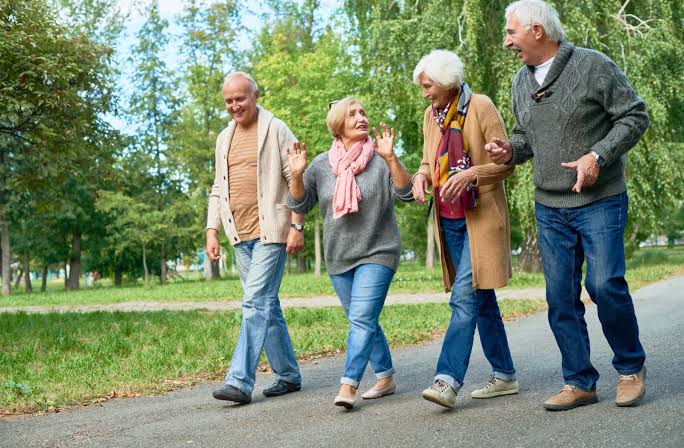
    • Aerobic and resistance exercise
    • Cognitive training (computer-based and group sessions)
    • Intensive monitoring of vascular risk factors (blood pressure, cholesterol, glucose)

    After two years, the intervention group showed a 25% better cognitive performance compared to the control group—a modest but significant effect. And the benefits persisted even after the trial ended. The results were a wake-up call: lifestyle changes could make a measurable difference in brain health.

    POINTER: Testing Prevention in the U.S.

    Now, the U.S. is taking the FINGER model to the next level with the POINTER trial (Protect Brain Health Through Lifestyle Intervention). Funded by the National Institute on Aging with over $300 million, POINTER is enrolling about 2,000 older adults (ages 60–79) who have risk factors for dementia but no current diagnosis. Participants are randomly assigned to either a structured lifestyle intervention or a “self-guided” health education control group.

    What makes POINTER unique is its diversity. Unlike FINGER, which studied a highly educated, homogenous Finnish population, POINTER includes Black, Hispanic, and rural participants—groups that have been historically underrepresented in dementia research. This is crucial because lifestyle interventions may work differently across populations, and we need to know if they’re effective for everyone.

    The trial is currently ongoing, and results are expected in the coming years. If POINTER succeeds, it could shift clinical guidelines toward prescribing lifestyle interventions as standard care for at-risk patients. It could also influence public health campaigns, insurance coverage, and even urban design—think walkable cities and cleaner air.

    How Lifestyle Affects the Brain

    Why would diet and exercise have any impact on dementia? The mechanisms are still being unraveled, but researchers believe lifestyle factors work through multiple pathways:

    • Reducing neuroinflammation: Chronic inflammation is linked to Alzheimer’s, and lifestyle changes can lower inflammatory markers.
    • Improving cerebral blood flow: Exercise and blood pressure control keep blood vessels healthy, ensuring the brain gets the oxygen and nutrients it needs.
    • Enhancing neuroplasticity: Physical activity boosts brain-derived neurotrophic factor (BDNF), a protein that supports the growth and survival of neurons.
    • Improving metabolic health: Better insulin sensitivity and glucose control may protect the brain from damage.

    In short, lifestyle interventions don’t target a single disease mechanism—they support overall brain health.

    Skeptics and Challenges

    Not everyone is convinced. Critics point out that FINGER’s effect sizes were modest, and the trial was conducted in a very specific population. They argue that lifestyle changes are hard to sustain, and what works in Finland may not work in the U.S., especially in communities with limited access to healthy food or safe places to exercise.

    There’s also a tension between prevention and treatment. Some researchers worry that shifting funding toward lifestyle interventions could undercut the search for disease-modifying drugs. But many experts argue the two are complementary: lifestyle may reduce risk, but drugs will still be needed for those who already have the disease.

    The Big Picture

    Even a modest delay in dementia onset would have a massive impact. If we could delay the disease by just two to five years, we’d dramatically reduce prevalence and healthcare costs. Cardiovascular disease is a model: prevention through statins, smoking cessation, and blood pressure control transformed outcomes. Dementia could be next.

    The POINTER trial is a critical test of that idea. If it works, we may finally have a roadmap for preventing dementia—not with a pill, but with a prescription for a healthier life.

    The question of whether we can prevent dementia is no longer hypothetical. With the FINGER trial showing promise and POINTER testing it on a diverse American population, we’re on the cusp of an answer. The evidence so far suggests that lifestyle changes can make a real difference, even if they’re not a guaranteed shield. As the world’s population ages, the stakes couldn’t be higher. The next few years will tell us if prevention is truly possible—and if so, how to make it accessible to everyone.

    Summary

    • Over 55 million people live with dementia, and current drugs only modestly slow decline.
    • The Lancet Commission estimates up to 40% of dementia cases could be prevented by addressing 12 modifiable risk factors.
    • The FINGER trial showed that a multidomain lifestyle intervention improved cognition by 25% in at-risk older adults.
    • The U.S. POINTER trial is testing this approach in a diverse population, with results expected soon.
    • Lifestyle changes may work through multiple pathways, including reducing inflammation and improving blood flow.

    FAQ

    Q: What is the POINTER trial?
    A: POINTER is a U.S. clinical trial testing whether a structured lifestyle intervention—diet, exercise, cognitive training, and vascular risk monitoring—can prevent cognitive decline in older adults at risk for dementia. It’s the American adaptation of the Finnish FINGER trial.

    Q: How much of dementia is preventable?
    A: The Lancet Commission estimates that up to 40% of dementia cases could be prevented or delayed by addressing 12 modifiable risk factors, including hypertension, smoking, physical inactivity, and low education.

    Q: What lifestyle changes are recommended for brain health?
    A: The FINGER and POINTER trials use a combination of a Mediterranean-style diet, aerobic and resistance exercise, cognitive training, and monitoring of vascular risk factors like blood pressure and cholesterol.

    Q: Are there any downsides to lifestyle interventions?
    A: Critics note that effect sizes are modest and that lifestyle changes can be hard to sustain. There’s also concern that what works in one population may not work in another, which is why POINTER is testing diverse groups.

    Q: Will lifestyle interventions replace dementia drugs?
    A: No. Experts see them as complementary. Lifestyle may reduce risk, but drugs will still be needed for those with established disease. The goal is to prevent or delay onset, not necessarily to cure.