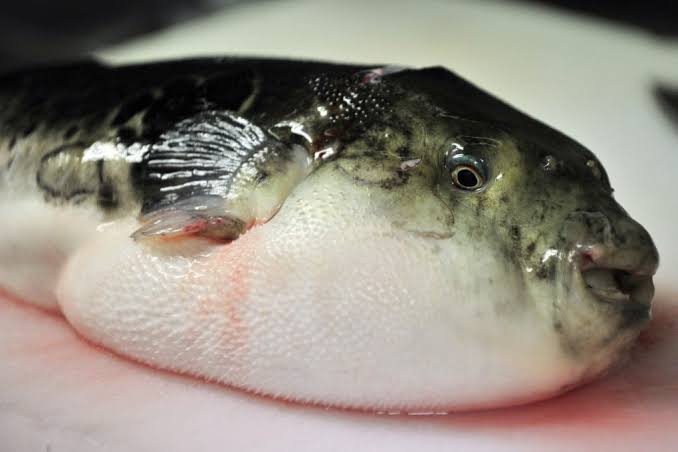
Imagine a meal so dangerous that eating it is like playing Russian roulette with your taste buds. In Japan, that meal is fugu—the puffer fish—a delicacy that has killed hundreds of people over centuries, yet remains one of the country’s most revered culinary traditions. Its flesh is prized for its delicate flavor and unique texture, but a single mistake in preparation can be fatal, as the fish contains a toxin 1,200 times more potent than cyanide.
Today, fugu is a symbol of Japanese craftsmanship and trust, served in over 1,500 restaurants by licensed chefs who spend years perfecting their skills. But how did this deadly fish become an obsession? The answer lies in a history as rich and complex as the dish itself—from ancient banquets to modern-day science.
The Fish That Kills
Fugu, the Japanese word for puffer fish, isn’t just one species but a family of over 120, with about 22 considered edible in Japan. The most prized is the tiger puffer fish (Takifugu rubripes), known for its firm, ivory-colored flesh. But what makes fugu truly remarkable is the poison it carries: tetrodotoxin (TTX). This neurotoxin is so potent that a single fish contains enough to kill 30 adults. There is no antidote. The toxin is concentrated in the liver, ovaries, skin, and intestines—not the flesh—but improper cutting can contaminate the meat.
Why would anyone risk such a meal? The appeal isn’t just about rebellion; it’s about flavor. Fugu has a subtle, almost ethereal taste, and a texture that’s uniquely chewy yet tender. For many, the thrill is part of the experience—a dance with death that ends in culinary bliss. But the history of fugu is marked by a long, often fatal relationship between humans and this dangerous fish.
Ancient Origins and Imperial Bans
Evidence of puffer fish consumption stretches back to ancient Egypt, but the tradition truly flourished in Japan. Archaeological sites from the Jōmon period (c. 10,000–300 BCE) have yielded puffer fish bones, suggesting early humans were already willing to risk death for a taste. By the 16th century, the dangers had become so apparent that Toyotomi Hideyoshi, the great unifier of Japan, issued the first imperial ban. During his invasions of Korea, many soldiers died after eating fugu, leading him to prohibit its consumption. But the ban was widely ignored by civilians, who continued to eat it in secret.
During the Edo period (1603–1868), fugu took on a risqué reputation. It was associated with gamblers, samurai, and the pleasure districts of cities like Edo (modern Tokyo). The dish was consumed in hidden establishments, often with fatal consequences. A popular myth suggests that the chrysanthemum pattern used to arrange fugu sashimi was designed to evoke funeral flowers, a morbid nod to the risks diners took. While likely apocryphal, the story captures the era’s dangerous allure.
The tide began to turn in the late 19th century. In 1888, Prime Minister Hirobumi Ito reportedly tasted fugu and was so impressed that he lobbied to lift the ban. Four years later, in 1892, the ban was officially lifted in Tokyo, but only for chefs who had passed a rigorous licensing exam. This marked the beginning of a formal system that would eventually professionalize fugu preparation.
The Rise of the Licensed Chef
The first licensing system for fugu chefs emerged in the early 20th century, but it wasn’t until 1947 that Japan’s Ministry of Health established national standards. The turning point came in 1958, when a famous actor died after eating fugu liver at a Kyoto inn. The incident led to a total ban on serving the liver, which remains in effect today. In 1983, the current licensing exam was standardized, requiring aspiring chefs to undergo 2–3 years of apprenticeship before attempting the test.
The exam is notoriously difficult. Historically, pass rates have hovered around 35–40%. Candidates must pass both a written test and a practical exam in which they must properly gut and fillet a fugu, identifying and removing all toxic parts. The practical test is a high-pressure affair, with examiners closely watching every cut. Only after years of training and a successful exam can a chef earn the license to serve fugu.
This system has been remarkably effective. Before licensing became mandatory, deaths from fugu numbered in the hundreds per year in Japan. Today, that number has dropped to near zero—typically 0–3 deaths annually, almost always resulting from unlicensed preparation or home cooking by amateurs. In licensed restaurants, deaths are virtually unheard of.
A Culinary Art Form
Fugu is more than just a dish; it’s a canvas for culinary artistry. The most famous preparation is tessa, fugu sashimi sliced so thin it’s almost transparent. The slices are arranged in a beautiful chrysanthemum pattern, a nod to the fish’s deadly reputation. Tetchiri, a hot pot, simmers the fish with vegetables in a delicate broth. Hirezake is a warming sake infused with a grilled, dried fugu fin. And for the adventurous, shirako—the fish’s sperm sacs—is considered a delicacy, often served raw or grilled.
Fugu is a winter delicacy, with peak season from October to March, aligning with Japan’s tradition of seasonal eating (shun). It’s served at roughly 1,500–2,000 restaurants across the country, with prices ranging from ¥3,000 to over ¥30,000 for a multi-course meal. For many, the high cost is part of the appeal—a status symbol that signals both wealth and a willingness to trust the chef’s skill.
The Science of Survival
Tetrodotoxin works by blocking sodium channels in nerve cells, effectively shutting down the nervous system. Symptoms begin within minutes to hours, starting with a tingling sensation in the lips and tongue, followed by paralysis and respiratory failure. The victim remains fully conscious throughout, a truly terrifying experience. Death typically occurs within 6 to 24 hours.
But here’s the twist: puffer fish don’t actually produce TTX themselves. They accumulate it from their diet, feeding on bacteria and other organisms that harbor the toxin. This discovery has led to a modern solution: farmed fugu. By raising puffer fish on a controlled, non-toxic diet, farmers can produce fish that are essentially free of the toxin. This has allowed some restaurants to serve safer, lower-risk fugu, though many purists argue that farmed fish lack the flavor and texture of their wild counterparts.
Scientists are also studying TTX for medical applications. Its ability to block nerve signals makes it a potential candidate for pain relief and anesthetic development. Researchers are investigating why puffer fish are immune to their own toxin, which could lead to breakthroughs in neurobiology. The same poison that has killed so many may one day save lives.
The Cultural Endurance
Despite its dangers, fugu has endured as a symbol of Japanese culinary tradition. It’s a test of trust—the diner places their life in the chef’s hands, and the chef honors that trust with meticulous skill. This relationship is central to the dish’s appeal. Fugu also embodies the Japanese aesthetic of wabi-sabi, finding beauty in imperfection and transience. The risk of death adds a layer of profundity to the meal, reminding diners of their own mortality.
In a world increasingly dominated by safety and regulation, fugu stands as a reminder that some pleasures are worth a little danger. It’s a culinary experience that combines history, science, and art into a single, unforgettable plate. Whether you’re a thrill-seeker or a gourmand, fugu offers a taste of something truly extraordinary—if you dare.
The puffer fish’s journey from deadly menace to Japanese obsession is a story of human ingenuity and cultural resilience. Through rigorous training and scientific understanding, Japan has transformed a lethal fish into a celebrated delicacy, reducing deaths to near zero. Yet the thrill remains, a testament to our enduring fascination with risk and reward. As you consider tasting fugu, remember that you’re not just eating a fish—you’re partaking in a centuries-old tradition that balances on the edge of danger and delight.
Summary
- Fugu, or puffer fish, contains tetrodotoxin, a poison 1,200 times more toxic than cyanide, with no known antidote.
- Japan’s strict licensing system, established in the 20th century, has reduced annual deaths from hundreds to near zero.
- The toxin is concentrated in the liver, ovaries, skin, and intestines, not the flesh, but improper cutting can contaminate the meat.
- Farmed fugu, raised on non-toxic feed, can be safe, but purists argue it lacks flavor.
- Fugu is a winter delicacy, served in over 1,500 restaurants, with dishes like tessa (sashimi) and tetchiri (hot pot).
FAQ
Q: What makes fugu so dangerous?
A: Fugu contains tetrodotoxin (TTX), a neurotoxin that blocks sodium channels in nerve cells, causing paralysis and respiratory failure. It’s 1,200 times more toxic than cyanide, and there’s no antidote. A single fish has enough toxin to kill 30 adults.
Q: How many fugu chefs are licensed in Japan?
A: There are approximately 3,000–4,000 licensed fugu chefs in Japan. They undergo 2–3 years of apprenticeship and pass a rigorous exam with a historical pass rate of 35–40%.
Q: Is fugu safe to eat in restaurants?
A: Yes, when prepared by licensed chefs, fugu is extremely safe. Deaths are nearly zero in licensed establishments, with most incidents occurring from unlicensed preparation or home cooking.
Q: Can farmed fugu be non-toxic?
A: Yes, farmed fugu raised on a controlled, non-toxic diet can be essentially free of tetrodotoxin, since the fish accumulate the toxin from their natural diet.
Q: What is the most popular fugu dish?
A: The most famous is tessa, fugu sashimi sliced paper-thin and arranged in a chrysanthemum pattern. Other popular dishes include tetchiri (hot pot) and hirezake (fugu fin sake).