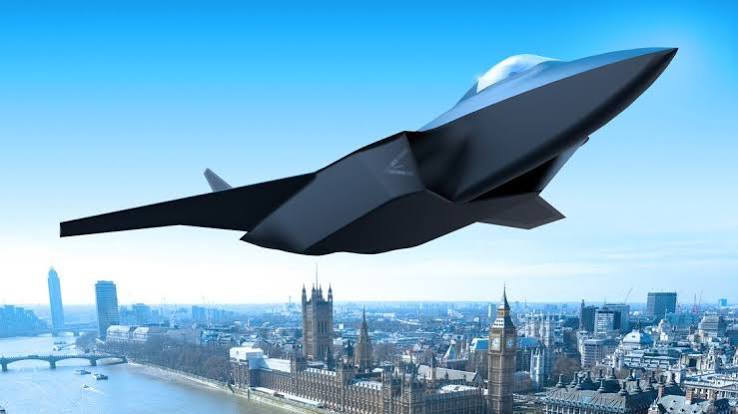
In December 2022, the UK, Japan, and Italy announced a landmark defence collaboration: the Global Combat Air Programme (GCAP). This ambitious project aims to develop a sixth-generation stealth fighter by the mid-2030s, merging the UK’s Tempest and Japan’s F-X programmes. But beyond the technical specs, GCAP represents a strategic shift in how allied nations approach sovereignty, technology sharing, and industrial cooperation.
For decades, the F-35 programme has been the gold standard for multinational fighter development—but it comes with strings attached. The US retains control over source code and upgrades, limiting partner nations’ operational independence. GCAP is a direct response to that constraint, promising full sovereignty over critical technologies. As an aviation expert might put it, this isn’t just another fighter jet; it’s a statement about who controls the future of air combat.
The Genesis of GCAP: A Response to Shifting Global Threats
The programme’s roots lie in a changing security landscape. Russia’s invasion of Ukraine, China’s rapid military modernisation, and the perceived erosion of US dominance in allied air power have prompted European and Asian allies to seek more self-reliance. The UK, Japan, and Italy—all current F-35 operators—have experienced firsthand the limitations of relying on a US-built aircraft. The US restricts access to the F-35’s source code and software upgrades, meaning any modification requires American approval. For nations that want to adapt their jets quickly to emerging threats, this is a significant bottleneck.
GCAP is designed to break that dependency. By developing their own sixth-generation fighter, the partners will own the intellectual property and have the freedom to upgrade the aircraft independently. As the UK’s Ministry of Defence has stated, the programme is about ensuring ‘sovereign control over the technologies that underpin our national security.’
What Makes It a ‘Sixth-Generation’ Fighter?
The term ‘sixth-generation’ is more than marketing hype. It signifies a leap in capabilities that go beyond the stealth and sensor fusion of fifth-generation jets like the F-35. Key features reported for GCAP include:
- Advanced sensor fusion: The aircraft will integrate data from multiple sensors—radar, infrared, electronic warfare—into a single, coherent picture for the pilot.
- AI-assisted decision-making: Machine learning algorithms will help pilots process vast amounts of data, suggesting courses of action and even controlling swarms of drones.
- Optional manned/unmanned operation: The jet can be flown by a pilot or operate remotely, allowing for more flexible mission profiles.
- Directed-energy weapons: Lasers for shooting down missiles or dazzling enemy sensors are planned, though these are still in development.
- A ‘virtual cockpit’ in the helmet: The pilot’s helmet will project critical information directly onto the visor, eliminating the need for traditional displays.
These capabilities are designed from the ground up for ‘human-machine teaming.’ The pilot won’t just fly the aircraft; they’ll command a network of loyal wingman drones that can scout ahead, jam enemy radar, or strike targets. This is a fundamental shift from incremental upgrades to a completely new way of conducting air warfare.
The Industrial Structure: A New Model for Collaboration
One of the most innovative aspects of GCAP is its industrial organisation. Instead of a loose consortium like the Eurofighter Typhoon, the partners have established a joint venture company, announced in 2024, with headquarters in the UK. The first CEO will be from Japan, and the first CFO from Italy—a deliberate effort to balance leadership and avoid the cost overruns and delays that plagued past multinational projects.
The industrial partners are equally balanced: BAE Systems (UK), Leonardo (Italy), and Mitsubishi Heavy Industries (Japan) lead the airframe work. Engine development involves Rolls-Royce (UK), IHI Corporation (Japan), and Avio Aero (Italy). Electronics and sensors are handled by MBDA, Leonardo UK, and Mitsubishi Electric. This structure is designed to ensure that each country retains critical skills and jobs—an estimated 20,000+ in the UK alone—while sharing the financial burden.
The Geopolitical Significance: Japan’s Historic Shift
Japan’s participation in GCAP is nothing short of historic. Since the end of World War II, Japan has maintained a strictly defensive posture, with its military (the Self-Defense Forces) focused on homeland defence. Its alliance with the US has been the cornerstone of its security policy, and it has never before co-developed a major weapons system with a country other than the US.
By joining GCAP, Japan is signalling a deeper alignment with European security structures and a hedge against over-reliance on the US. This is a pragmatic response to China’s military buildup and the uncertainties of US foreign policy under different administrations. For the UK, GCAP is a flagship for its ‘Global Britain’ strategy post-Brexit, demonstrating that it can lead a major multinational project outside the EU. Italy, meanwhile, is balancing its roles as a NATO member, an F-35 partner, and now a GCAP partner—hedging across US, European, and Asian defence ecosystems.
The Challenges Ahead: Cost, Timeline, and Competition
Despite its promise, GCAP faces significant hurdles. The most pressing is cost. The UK government has committed £2 billion up to 2025, but the total programme cost is estimated in the tens of billions—some estimates exceed £40–50 billion over the full lifecycle. Defence budgets are under strain, and the UK’s National Audit Office has already flagged affordability concerns, especially with other major commitments like the Trident nuclear deterrent renewal.
Timeline is another issue. The target for first flight is 2027, with entry into service around 2035. But sixth-generation technologies—AI, lasers, adaptive engines—are unproven, and such ambitious schedules often slip. The Eurofighter Typhoon, for comparison, took about 20 years from concept to service.
Competition is also fierce. France, Germany, and Spain are building their own rival sixth-generation fighter, the FCAS/SCAF, which will compete for export markets. The US may also offer upgraded F-35s or its own NGAD fighter to potential buyers, undercutting GCAP’s market. And while GCAP aims for sovereignty, it still relies on US-supplied components for some subsystems, so true independence may be limited.
Export Potential: The Road Ahead
The partners hope to sell the aircraft to third countries, with Saudi Arabia, Gulf states, and possibly India mentioned as potential customers. However, export rules and technology-sharing agreements are still being negotiated. The success of GCAP will depend not only on its technical merits but also on its ability to navigate these complex geopolitical and industrial landscapes.
The Global Combat Air Programme is more than a fighter jet project; it’s a bold experiment in international cooperation, technological innovation, and strategic autonomy. If successful, it could redefine how allied nations develop and control their most advanced military systems. But the road to 2035 is fraught with challenges—cost, timeline, and competition. Whether GCAP becomes a gamechanger or a cautionary tale will depend on the partners’ ability to deliver on their promises and adapt to an unpredictable world.
Summary
- GCAP is a sixth-generation stealth fighter programme by the UK, Japan, and Italy, merging the UK’s Tempest and Japan’s F-X projects.
- It aims to provide full sovereignty over source code and upgrades, unlike the US-controlled F-35.
- Key features include AI-assisted decision-making, optional manned/unmanned operation, and directed-energy weapons.
- The programme is a geopolitical shift, especially for Japan, and a flagship for UK post-Brexit defence diplomacy.
- Challenges include high costs, tight timelines, and competition from the rival FCAS/SCAF programme.
FAQ
Q: What is the Global Combat Air Programme (GCAP)?
A: GCAP is a collaborative project between the UK, Japan, and Italy to develop a sixth-generation stealth fighter jet, expected to enter service around 2035. It merges the UK’s Tempest and Japan’s F-X programmes.
Q: Why is GCAP considered a ‘gamechanger’?
A: Unlike the F-35, GCAP partners will own the source code and can upgrade the aircraft independently. It also incorporates advanced AI and drone-swarming capabilities from the start, representing a leap in air combat technology.
Q: How does GCAP differ from the Eurofighter Typhoon?
A: GCAP is designed from the ground up for human-machine teaming and optional unmanned operation, with a focus on AI and directed-energy weapons. It also uses a more integrated industrial structure to avoid the delays and cost overruns seen in past projects.
Q: What are the main challenges facing GCAP?
A: The main challenges are cost (estimated tens of billions), timeline (2035 is optimistic), and competition from the rival FCAS/SCAF programme and US offerings. There are also concerns about true independence due to reliance on some US components.
Q: Will GCAP be exported to other countries?
A: The partners hope to export the aircraft to countries like Saudi Arabia, Gulf states, and possibly India, but export rules and technology-sharing agreements are still being negotiated.