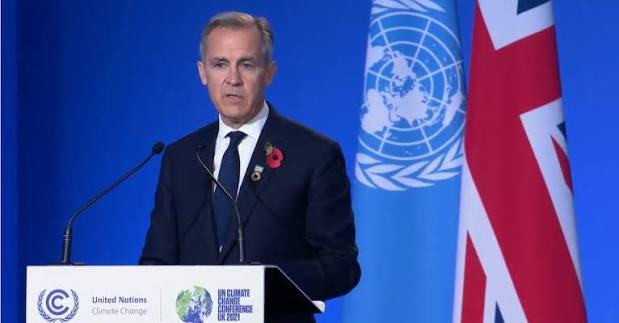
On December 24, 2024, the UN General Assembly approved a new treaty aimed at fighting cybercrime. But human rights groups warn that its vague language could give authoritarian governments a powerful new way to target journalists, activists, and political opponents. Here’s what you need to know about the UN Convention Against Cybercrime and why it’s so controversial.
A Treaty Born from Controversy
The treaty, officially the “United Nations Convention Against Cybercrime,” has been in the works since 2019, when Russia first proposed it. It was framed as a way to combat cybercrime globally, especially in countries that aren’t party to the existing Budapest Convention (2001). But critics saw a different motive: a chance to legitimize state control over the internet and create a mechanism for cross-border requests that could be used to silence dissidents.
Negotiations took place over three years through an Ad Hoc Committee, with final talks in New York in August 2024. The General Assembly adopted it with 99 votes in favor, 8 against (including the U.S., UK, Canada, Australia, Japan, and EU states), and 33 abstentions. The treaty will open for signature in Hanoi, Vietnam, in 2025, and enters into force 90 days after 40 countries ratify it.
The Vague Language That Worries Experts
The treaty requires states to criminalize various offenses, including illegal access to computer systems, data interference, and computer-related fraud. But it also includes “computer-related forgery” and “incitement” to certain crimes—terms that are dangerously broad. Amnesty International, Article 19, and the Electronic Frontier Foundation warn that these could be used to prosecute legitimate speech, satire, or journalism. For example, a satirical post mocking a government official could be labeled “incitement” or “forgery” if it manipulates an image or text.
A Framework for Cross-Border Crackdowns
The treaty establishes a framework for extradition, mutual legal assistance, and 24/7 emergency cooperation between law enforcement agencies. That sounds reasonable on paper, but human rights groups fear it could be abused. An authoritarian government could file a request with another state or a tech company to hand over data on a dissident, then use that data to prosecute them under domestic laws that already criminalize dissent. The treaty’s provisions for expedited preservation and disclosure of electronic evidence make this even easier.
Weak Human Rights Safeguards
The treaty does reference human rights in its preamble and Article 2, and Article 3 says states must implement it “in accordance with” human rights obligations, including freedom of expression and privacy. But these safeguards are weaker than those in the Budapest Convention, and there’s no independent monitoring body to enforce them. A clause that would have barred the death penalty for cybercrime offenses was also removed during negotiations—a major red flag for human rights advocates.
Why the Global South Matters
Proponents, including Russia, China, and many African and Asian states, argue that the treaty is necessary to combat cross-border cybercrime, which disproportionately affects developing nations with limited technical capacity. They also see it as a way to reaffirm state sovereignty over cyberspace, countering Western dominance of internet governance. For these countries, the human rights references are sufficient, and implementation is a matter of national discretion.
The Budapest Comparison
The Budapest Convention, which has 68 parties, includes human rights clauses and has a more focused scope. The UN treaty covers a wider range of offenses, making it more susceptible to abuse. And since it’s global, even non-parties may face diplomatic pressure to comply—expanding its reach beyond its signatories.
What Happens Next?
The treaty will enter into force after 40 ratifications, which could happen within a few years if enough states sign on quickly. Once in force, it will create a new legal landscape for cross-border data requests. Whether it becomes a tool for protection or repression depends largely on how states choose to implement it. But given the track record of some of its strongest backers, the risks are real.
The UN Cybercrime Treaty may have been sold as a way to fight online crime, but its vague definitions and weak safeguards make it a potential weapon against dissent. As it moves toward ratification, civil society and the international community must push for clear implementation guidelines that protect fundamental freedoms—before it’s too late.
Summary
- The UN approved the Cybercrime Convention on December 24, 2024, after Russia and China pushed for it, with the U.S. and EU opposing.
- The treaty criminalizes vague offenses like “incitement” and “computer-related forgery” that could target journalists and activists.
- It establishes a framework for cross-border data requests, which authoritarian regimes could use to suppress dissent.
- Human rights safeguards are weak, with no independent monitoring and a removed death penalty ban.
- The treaty enters into force after 40 ratifications, making its implementation critical.
FAQ
Q: What is the UN Cybercrime Convention?
A: It’s a treaty adopted by the UN General Assembly on December 24, 2024, to combat cybercrime globally. It criminalizes offenses like illegal access to computer systems and data interference, and sets up international cooperation mechanisms.
Q: Why do human rights groups oppose it?
A: Groups like Amnesty International and the EFF argue that terms like “incitement” are too broad and could be used to prosecute legitimate speech. They also point to weak human rights safeguards and the lack of an independent monitoring body.
Q: How is it different from the Budapest Convention?
A: The Budapest Convention, from 2001, has stronger human rights protections and a narrower scope. The UN treaty is global, covers more offenses, and lacks enforcement mechanisms for rights.
Q: When will it take effect?
A: It will open for signature in 2025 and enter into force 90 days after the 40th country ratifies it—possibly within a few years.
Q: Can the treaty be used to silence dissent?
A: Yes, there’s a real risk. Authoritarian governments could use mutual legal assistance requests to obtain data on dissidents, then prosecute them under broad domestic laws, using the treaty as justification.