Tag: culinary history

  • The Fifth Taste: How Umami Was Discovered and Rewired Global Cuisine

    The Fifth Taste: How Umami Was Discovered and Rewired Global Cuisine

    In 1908, a Japanese chemist named Kikunae Ikeda sat down to a bowl of kombu broth and noticed something that didn’t fit the four accepted tastes of sweet, sour, salty, and bitter. He called it umami roughly ‘deliciousness’ and spent the next year isolating the compound responsible. But it took nearly a century for the rest of the world to catch up.

    Today, umami is recognized as the fifth basic taste, with dedicated receptors on our tongues and a chemistry that explains why a sprinkle of Parmesan transforms a tomato sauce or why mushrooms and meat taste so good together. The story of umami is a tale of scientific stubbornness, cultural bias, and a flavor synergy that chefs had exploited for centuries without knowing why.

    A Taste That Was Always There

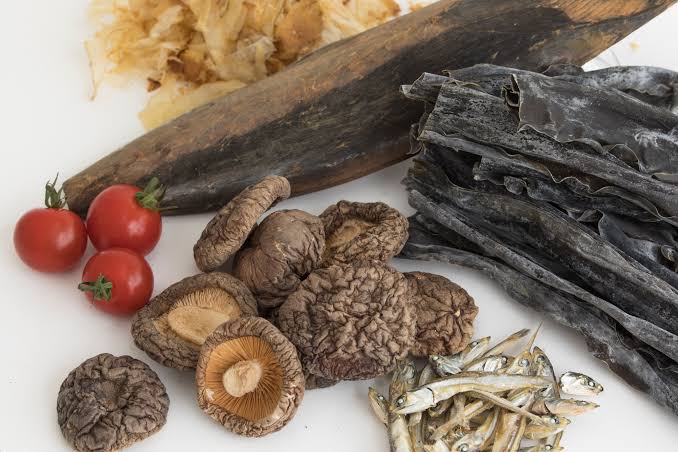
    Long before Ikeda named it, cooks across the globe were layering umami-rich ingredients without a scientific label. Japanese cuisine paired kombu and dried bonito flakes to make dashi, the foundational broth. Italian kitchens relied on tomatoes, anchovies, and aged Parmesan—think Caesar dressing or puttanesca sauce—to create deep savoriness. Fermented soybean pastes in China and Korea, dried mushrooms in Mexico, and fermented locust beans in West Africa all delivered the same underlying sensation.

    What these foods share is a high concentration of glutamate, an amino acid that exists in both protein-bound and free forms. When foods are aged, fermented, or cooked, some proteins break down, freeing glutamate and making it available to our taste buds. Tomatoes, Parmesan, soy sauce, and seaweed are all glutamate powerhouses.

    But glutamate alone doesn’t explain the intensity of many traditional combinations. There’s a second layer: certain nucleotides—inosinate in meat and fish, guanylate in mushrooms—amplify the glutamate signal several-fold. This is why a dish with both tomato (glutamate) and anchovy (inosinate) tastes more savory than either ingredient alone. The effect is so pronounced that food scientists call it the synergy of umami compounds.

    The Scientist Who Defied the Four-Taste Orthodoxy

    Kikunae Ikeda was a physical chemist at Tokyo Imperial University who wasn’t satisfied with the taste vocabulary of his time. He suspected that the flavor of kombu broth couldn’t be explained by the four basic tastes alone. In 1908, he extracted glutamate from kelp and proved that its taste was distinct from sweet, sour, salty, and bitter. He named the sensation umami, from the Japanese word umai, meaning ‘delicious’.

    His 1909 paper, ‘New Seasonings,’ laid out the evidence. By 1909, he had patented a method to produce monosodium glutamate (MSG), and the company Ajinomoto was soon manufacturing it. Ikeda’s student Shintaro Kodama added inosinate from dried bonito flakes in 1913, and in 1957, Akira Kuninaka identified guanylate in shiitake mushrooms—completing the trio of major umami compounds.

    Why the West Resisted for Decades

    Despite this solid chemical foundation, Western science largely dismissed umami. The four-taste model, rooted in Aristotle and formalized by 19th-century physiologists, was deeply entrenched. Skeptics argued that umami was just a combination of saltiness and sweetness, or a mere flavor enhancer rather than a fundamental taste.

    Cultural bias played a role. The concept emerged from Japanese cuisine, which wasn’t widely studied in Western food science until much later. But the biggest obstacle was the lack of a dedicated receptor. Without a physical receptor, skeptics could claim umami had no biological basis—it was just a learned preference, not a true taste.

    This scientific stalemate persisted into the late 20th century. The term ‘umami’ was formally accepted at the first Umami International Symposium in Hawaii in 1985, but it wasn’t until 2000 that Charles Zuker’s team at UC San Diego and a Japanese group independently identified the T1R1 + T1R3 receptor, a heterodimer that specifically responds to glutamate. Nirupa Chaudhari at the University of Miami also identified a variant of the mGluR4 receptor as an additional pathway. With the receptor in hand, umami was impossible to deny.

    The MSG Stigma and Its Legacy

    Umami’s association with monosodium glutamate became a double-edged sword. MSG was embraced in Asia as a convenient way to add savory flavor, but in the late 1960s, a letter to the New England Journal of Medicine coined the term ‘Chinese Restaurant Syndrome,’ blaming MSG for a range of symptoms. Subsequent studies have largely failed to confirm these effects in controlled trials, but the stigma persisted for decades, tainting public perception of umami itself.

    This stigma also slowed Western acceptance of umami as a legitimate taste. Even today, many people associate MSG with headaches or other discomforts, despite the FDA classifying it as generally recognized as safe. Modern research suggests that most people can consume MSG without issue, and the compound occurs naturally in many foods we eat daily.

    Umami Across Global Cuisines

    Once Western chefs and scientists embraced umami, they realized they’d been cooking with it all along. Italian cuisine is a masterclass in umami pairing: tomatoes, Parmesan, and anchovies create a synergistic burst that’s hard to replicate with any single ingredient. In Japanese cooking, dashi made from kombu and katsuobushi is the backbone of miso soup and countless other dishes—a perfect example of glutamate and inosinate working together.

    Other cultures have their own umami staples. Korea’s doenjang and gochujang are fermented soybean pastes rich in glutamate. West African iru or dawadawa—fermented locust beans—add an intense savory note to stews. Mexican moles combine dried chilies and tomatoes, both high in free glutamate. Even the humble combination of a beef burger with a slice of cheddar cheese exploits umami synergy, as beef provides inosinate and cheese provides glutamate.

    The Science of Synergy: Why It Works

    When you eat a food containing glutamate, it binds to the T1R1 + T1R3 receptors on your tongue. But when inosinate or guanylate is also present, it binds to a different site on the same receptor, causing a conformational change that makes the receptor more sensitive to glutamate. The result is a dramatic amplification of the umami signal—some studies suggest a synergistic increase of up to eight times the response to glutamate alone.

    This synergy is why a pinch of MSG in a meat dish works so well, and why tomatoes and mushrooms—both glutamate-rich—benefit from the addition of meat or fish. It also explains why many umami-rich foods are aged or fermented: the breakdown of proteins over time releases free glutamate and nucleotides that are ready to trigger the receptor.

    Umami’s Impact on Modern Cuisine

    Recognition of umami has transformed how chefs approach flavor. The term ‘umami bomb’ entered the culinary lexicon, describing dishes that pile on ingredients like soy sauce, miso, Parmesan, mushrooms, and cured meats to create intense savoriness. In fine dining, chefs use umami to enhance flavor without adding salt or fat, aligning with health trends.

    Food manufacturers have also capitalized on umami. Reduced-sodium products often add MSG or yeast extract to compensate for lost saltiness, because glutamate enhances the perception of saltiness. This makes umami a key player in efforts to reduce sodium intake without sacrificing taste.

    A Paradigm Shift in Taste Science

    Umami’s journey from a Japanese chemist’s intuition to a globally accepted fifth taste is a case study in how science advances—slowly, with resistance, and often against cultural biases. It took nearly a century for the receptor to be found, but once it was, the evidence became undeniable. The next time you savor a bowl of dashi, a slice of aged Parmesan, or a spoonful of miso soup, you’re experiencing a taste that was always there, waiting to be named.

    Umami’s story is a reminder that our senses are more complex than the models we build to describe them. What began as one chemist’s curiosity about a broth became a scientific revolution that changed how we understand flavor and how chefs around the world compose their dishes. The fifth taste wasn’t discovered so much as recognized—it had been on our plates all along.

    Summary

    • Umami is the fifth basic taste, triggered by free glutamate and enhanced by nucleotides inosinate and guanylate.
    • Kikunae Ikeda isolated MSG from kelp in 1908, naming the taste umami, but Western science rejected it for decades.
    • Cultural bias and lack of a receptor delayed acceptance until 2000, when T1R1 + T1R3 was identified.
    • Umami synergy is real: combining glutamate and inosinate or guanylate amplifies savory flavor several-fold.
    • Traditional cuisines worldwide—Italian, Japanese, Chinese, African, and more—had used umami pairings for centuries before science caught up.

    FAQ

    Q: What exactly is umami?
    A: Umami is the fifth basic taste, described as savory, meaty, or brothy. It is primarily triggered by free glutamate, an amino acid, and enhanced by nucleotides like inosinate and guanylate.

    Q: Why was umami not recognized as a taste until recently?
    A: Western science held a four-taste model for centuries, and umami lacked a clear receptor until 2000. Cultural bias and the MSG stigma also contributed to its rejection.

    Q: Is MSG the same as umami?
    A: No, MSG (monosodium glutamate) is a salt form of glutamate that provides umami flavor. Umami is the taste itself, while MSG is one way to add it to food.

    Q: How does umami synergy work?
    A: When glutamate and inosinate (or guanylate) are present together, they bind to different sites on the umami receptor, amplifying the signal several-fold. This is why combining foods like tomatoes and anchovies creates a stronger savory flavor.

    Q: Are there natural sources of umami?
    A: Yes, many foods are naturally rich in umami, including tomatoes, Parmesan cheese, mushrooms, soy sauce, seaweed, and fermented fish products like anchovies and fish sauce.
  • Umami: How a Japanese Chemist Discovered the Fifth Taste and Changed Global Cuisine

    Umami: How a Japanese Chemist Discovered the Fifth Taste and Changed Global Cuisine

    Imagine biting into a ripe tomato or savoring a spoonful of Parmesan cheese. There’s a deep, savory richness that lingers something beyond sweet, sour, salty, or bitter. For centuries, Western science recognized only those four tastes. But in 1908, a Japanese chemist named Kikunae Ikeda identified a fifth taste, which he called umami. This discovery not only reshaped culinary science but also sparked a global flavor revolution.

    Ikeda’s breakthrough came from a simple observation: why did kombu broth taste so uniquely satisfying? He isolated glutamate, an amino acid, as the key compound, and soon after, monosodium glutamate (MSG) was born. Yet, it took nearly a century for umami to gain acceptance in the West, with the discovery of specific taste receptors in 2000 finally cementing its status. Today, umami is a cornerstone of modern cooking, from fine dining to fast food, and understanding its science can transform how you cook and eat.

    The Discovery: A Chemist’s Curiosity

    Kikunae Ikeda was a professor at Tokyo Imperial University with a deep appreciation for Japanese cuisine. He was particularly intrigued by dashi, a broth made from kombu (kelp) and bonito flakes, which is fundamental to many Japanese dishes. Ikeda noticed that dashi had a taste that couldn’t be classified as sweet, sour, salty, or bitter it was savory and mouth-filling, almost meaty. He set out to identify the source of this sensation.

    In 1908, Ikeda successfully isolated glutamate from kombu and demonstrated that it produced this unique taste. He named it umami, from the Japanese word umai, meaning “delicious.” His discovery was published in a Japanese journal, but it remained largely unknown outside Japan for decades.

    Ikeda’s work wasn’t just academic. He partnered with businessman Saburosuke Suzuki to commercialize monosodium glutamate (MSG) as a seasoning, launching the brand Aji-no-moto (“essence of taste”) in 1909. This product made umami accessible to home cooks, and it quickly became a staple in Asian kitchens.

    The Science of Umami: Glutamate and Synergy

    Umami is triggered primarily by glutamate, an amino acid that occurs naturally in many foods. But glutamate doesn’t work alone. Two other compounds—inosinate, found in fish and meat, and guanylate, found in mushrooms—also elicit umami. What’s fascinating is their synergy: when glutamate and inosinate are combined, the umami intensity can be up to eight times greater than either alone.

    This synergy explains classic culinary pairings. For example, a tomato sauce (rich in glutamate) becomes profoundly more savory when you add anchovies (rich in inosinate) or a splash of fish sauce. Similarly, the Japanese combination of kombu and bonito flakes in dashi harnesses the same effect. This is why a pinch of MSG can boost a dish’s flavor without adding a distinct taste.

    For decades, scientists debated whether umami was truly a basic taste or just a combination of the other four. The turning point came in 2000, when researchers at the University of Miami identified specific taste receptors—T1R1 and T1R3—on the tongue that respond to glutamate. These are G-protein-coupled receptors that bind to glutamate and send signals to the brain, confirming umami as a distinct taste. Since then, research has also found umami receptors in the gut, where they play a role in digestion and satiety.

    Umami in Traditional Foods Around the World

    While Ikeda’s discovery was rooted in Japanese cuisine, umami-rich ingredients have been used for centuries across cultures. The Romans fermented fish into garum, a sauce that added savory depth to their dishes. In China, soy sauce and fermented bean pastes have been staples for millennia. Italian cuisine relies on aged cheeses like Parmesan, which are packed with glutamate, as well as cured meats and sun-ripened tomatoes. Mexican mole sauces combine chocolate and chilies, both of which contain compounds that amplify umami.

    These ingredients share a common thread: they’re often fermented, aged, or otherwise processed in ways that break down proteins into free amino acids, making glutamate more available. This is why a ripe tomato tastes more savory than a green one—the ripening process increases its free glutamate content.

    Human breast milk is also rich in glutamate, suggesting that our preference for umami is hardwired from birth. This may be an evolutionary adaptation, guiding us toward protein-rich foods essential for growth and survival.

    Why Umami Took So Long to Catch On in the West

    The four-taste model, rooted in Aristotle’s writings and later refined by European chemists, held sway in Western science for centuries. It wasn’t until Ikeda’s discovery that a fifth taste was proposed, but it faced skepticism. Some dismissed umami as merely a flavor enhancer rather than a basic taste, while others attributed its savory quality to salt or other known tastes.

    Cultural bias played a role too. French culinary tradition, which dominated Western gastronomy, emphasized the four tastes and didn’t have a prominent concept for “savory” until much later. As a result, umami remained a niche interest in the West for decades.

    The tide began to turn in the late 20th century. In the 1980s, sensory scientists started publishing studies on umami, and the 2000 receptor discovery put it on solid scientific footing. Since then, umami has become a buzzword in the culinary world, from fine dining menus to fast-food marketing.

    Umami in Modern Cooking: Chefs and Umami Bombs

    Today, chefs like Heston Blumenthal and David Chang use umami as a tool for flavor layering. Blumenthal is known for his scientific approach to cooking, pairing ingredients based on their umami content to create “umami bombs”—dishes that pack an intense savory punch. Chang’s Momofuku restaurants have popularized techniques like using fish sauce and miso to add depth to Western dishes.

    The food industry has also embraced umami. Products labeled “umami seasoning” or “umami burgers” are now common, and many processed foods use MSG or other umami-rich ingredients to enhance flavor. Even fast-food chains have gotten in on the trend, offering umami-flavored menu items.

    Umami can also help reduce sodium intake. Because MSG contains less sodium than table salt per unit of flavor, it can be used to season food with less total sodium. Studies suggest that replacing some salt with MSG can reduce sodium without sacrificing taste, which could have public health benefits.

    Debunking the MSG Myth

    Despite its widespread use, MSG has been the subject of controversy since the 1960s, when reports linked it to “Chinese Restaurant Syndrome”—a set of symptoms including headaches and flushing. However, extensive research, including reviews by the FDA, WHO, and EFSA, has found MSG safe for the general population. The original reports were anecdotal, and controlled studies have not consistently reproduced these symptoms. In fact, most people consume glutamate naturally in foods like tomatoes and cheese, which contain far more of it than a typical serving of MSG.

    The myth persists, but the scientific consensus is clear: MSG is safe. Understanding this can help consumers make informed choices and appreciate umami without fear.

    Umami’s journey from a Japanese chemist’s lab to a global culinary phenomenon is a story of science and culture intersecting. Ikeda’s discovery challenged a centuries-old framework and opened the door to a deeper understanding of flavor. Today, umami is not just a fifth taste; it’s a lens through which we can appreciate the complexity of food, from a simple broth to a gourmet dish. Whether you’re a home cook or a professional chef, embracing umami can elevate your cooking and enrich your palate.

    Summary

    • Umami is the fifth basic taste, identified by Japanese chemist Kikunae Ikeda in 1908.
    • The primary compound is glutamate, with inosinate and guanylate enhancing the effect synergistically.
    • Umami receptors (T1R1/T1R3) were discovered in 2000, confirming its status as a distinct taste.
    • Umami-rich foods are found across global cuisines, from soy sauce to Parmesan cheese.
    • MSG is safe and can help reduce sodium intake, debunking the myth of “Chinese Restaurant Syndrome.”

    FAQ

    Q: What exactly is umami?
    A: Umami is the fifth basic taste, described as savory, meaty, or brothy. It is primarily triggered by glutamate, an amino acid found in many foods.

    Q: How was umami discovered?
    A: Kikunae Ikeda, a Japanese chemist, isolated glutamate from kombu broth in 1908 and identified it as the source of a unique savory taste, which he named umami.

    Q: Is MSG safe to eat?
    A: Yes, MSG is safe for the general population, according to the FDA, WHO, and EFSA. The “Chinese Restaurant Syndrome” has not been consistently reproduced in controlled studies.

    Q: What are some examples of umami-rich foods?
    A: Tomatoes, Parmesan cheese, soy sauce, mushrooms, anchovies, cured ham, seaweed, and fermented products like miso and fish sauce are all rich in umami.

    Q: How can I use umami in cooking?
    A: Combine glutamate-rich foods (like tomatoes) with inosinate-rich foods (like fish or meat) to enhance savoriness. For example, add anchovies to a tomato sauce or use fish sauce in a meat marinade.

  • The Lost Art of Fermentation: How Ancient Cultures Preserved Food Without Refrigeration

    The Lost Art of Fermentation: How Ancient Cultures Preserved Food Without Refrigeration

    Before refrigerators hummed in every kitchen, before iceboxes and cold chains, our ancestors faced a daily puzzle: how to keep food from rotting. The answer, discovered independently by cultures across the globe, was fermentation. This ancient biotechnology using microorganisms to transform and preserve food is not just a historical curiosity. It is a living link to our past, a cornerstone of culinary identity, and a practice experiencing a modern revival.

    From the 9,000-year-old rice wine residue found in Chinese pottery to the kimchi that Koreans have made for centuries, fermentation has sustained humanity. It allowed seasonal harvests to become year-round staples, turned milk into yogurt that lasts for weeks, and transformed cabbage into sauerkraut that could accompany sailors on long voyages. This article explores how fermentation worked as nature’s original refrigerator, why we lost this art, and what we can reclaim from it.

    The Science of Preservation: How Microbes Save Food

    At its core, fermentation is a metabolic magic trick. Microorganisms like Lactobacillus bacteria or Saccharomyces yeasts consume sugars and starches, excreting acids, alcohols, or carbon dioxide. This chemical transformation creates an environment hostile to spoilage organisms. Lactic acid bacteria, for instance, lower the pH of food to around 3.5-4.5 too acidic for pathogens like Clostridium botulinum or Listeria to survive. Salt, often added as a brine (2–5% concentration), further selects for beneficial bacteria while inhibiting harmful ones.

    This simple biological process enabled three primary types of fermentation:

    • Lactic acid fermentation: Vegetables submerged in salt brine undergo this process, producing sauerkraut, kimchi, and pickles. The result is a tangy, shelf-stable product that retains its crunch and nutritional value.
    • Ethanol fermentation: Yeasts convert sugars into alcohol and carbon dioxide, yielding wine, beer, and mead. The alcohol acts as a preservative, allowing beverages to be stored for years.
    • Acetic acid fermentation: Acetobacter bacteria turn alcohol into vinegar, creating an acidic liquid that preserves other foods through pickling.

    These methods didn’t just preserve food; they enhanced it. Fermentation can increase the bioavailability of B vitamins, degrade antinutrients like phytic acid in grains, and produce probiotics that support gut health. In some cases, it even reduces toxins—for example, cassava, a staple in many African diets, is rendered safe through fermentation during the production of garri and ogi.

    Fermentation is not a lost art but a forgotten one, waiting to be rediscovered in our kitchens and on our plates. It connects us to our ancestors, who mastered this craft without understanding the science behind it. It offers a sustainable alternative to energy-intensive refrigeration and a flavorful, nutrient-rich addition to modern diets. By reviving these ancient practices—whether through a bubbling sourdough starter or a jar of homemade kimchi—we honor a heritage that spans millennia and continents.

    Summary

    • Fermentation is an ancient preservation method using microorganisms to create acidic or alcoholic environments that inhibit spoilage.
    • Evidence of fermented beverages dates back to ~7000 BCE in China, with cheese-making in Poland ~5500 BCE.
    • Nearly every culture has a signature fermented food: kimchi, sauerkraut, miso, injera, and more.
    • Fermentation enhances nutrition by increasing B vitamins, degrading antinutrients, and producing probiotics.
    • The global fermented foods market was valued at ~$540 billion in 2023, driven by gut-health interest.

    FAQ

    Q: Is fermented food safe to eat?
    A: Yes, when prepared properly. The acidic or alcoholic environment created during fermentation prevents the growth of harmful pathogens. However, it’s important to follow tested recipes and hygiene practices to ensure safety.

    Q: What’s the difference between pickling and fermenting?
    A: Pickling involves preserving food in an acidic solution, usually vinegar. Fermenting uses beneficial bacteria to produce acid naturally from the food’s sugars. Both yield tangy, preserved foods, but fermentation also adds probiotics.

    Q: Can I ferment foods at home without special equipment?
    A: Absolutely. Many fermented foods, like sauerkraut or sourdough, require only basic kitchen tools—a jar, salt, water, and time. Start with a simple recipe to build confidence.

    Q: Are all fermented foods probiotic?
    A: No. Some commercial products are pasteurized after fermentation, which kills live cultures. Look for unpasteurized, refrigerated items or ferment your own to ensure you get beneficial bacteria.

    Q: Why did fermentation decline in modern times?
    A: The rise of refrigeration and industrial food production made fermentation seem unnecessary. Standardized, pasteurized products prioritized shelf life over live cultures, and traditional knowledge was lost as urbanization separated people from food-making practices.

  • The Hidden History of Street Food: How Vendors Built Global Culinary Traditions

    The Hidden History of Street Food: How Vendors Built Global Culinary Traditions

    Street food is everywhere—from the sizzling woks of Bangkok’s night markets to the humble taco stands of Mexico City. But behind the steam and the sizzle lies a story that is as old as civilization itself. For millennia, street vendors have been the unsung architects of our culinary world, feeding the masses, preserving traditions, and sparking innovation.

    This is not just a story about food. It’s a story about survival, migration, and the relentless human drive to create something delicious out of nothing. From ancient Roman snack bars to the Michelin-starred hawker stalls of Singapore, street food has shaped cities, economies, and cultures in ways we often overlook. Let’s pull back the curtain on the hidden history of street food and meet the vendors who built our global palate.

    The Ancient Roots of Eating on the Go

    Street food is not a modern convenience—it’s a human instinct. In ancient Rome, the city’s bustling streets were lined with thermopolia, small shops with counters embedded with jars of hot food and wine. These were the fast-food joints of their day, serving the urban poor and slaves who lived in cramped apartments without kitchens. Similarly, in ancient China during the Tang Dynasty (618–907 CE), the capital Chang’an was a melting pot of cultures, and its streets buzzed with vendors selling noodles, dumplings, and grilled meats to a hungry populace.

    Medieval Cairo was no different. Historians note that vendors sold cooked legumes and fried foods on the streets, catering to workers and travelers. The pattern is clear: wherever cities grew dense and people lacked time or space to cook, street food appeared. It was a practical solution to an age-old problem—how to feed a crowd quickly and cheaply.

    The Industrial Revolution: Street Food Goes Mass Market

    The Industrial Revolution of the 18th and 19th centuries was a game-changer. As millions flooded into cities like London, Paris, and New York, they left behind their rural kitchens and agricultural self-sufficiency. Factory workers needed cheap, fast meals, and street vendors stepped up. In London, ‘pie men’ roamed the streets with trays of meat pies, while ‘hot eel’ sellers offered a warming snack. In Paris, vendors sold roasted chestnuts and crêpes. In New York, oyster carts and hot corn stands became iconic.

    This era also saw the birth of Mumbai’s street food scene, where the ancestors of the beloved vada pav—a spicy potato fritter in a bun—began feeding the city’s growing workforce. Street food was no longer just a convenience; it was a lifeline for the urban poor.

    Immigration: The Secret Sauce of Street Food

    Some of the world’s most beloved street foods are the result of immigrants adapting their culinary traditions to new environments. The Vietnamese banh mi is a perfect example: it’s a French baguette, a legacy of colonial rule, filled with Vietnamese ingredients like pickled carrots, cilantro, and chili. The result is a fusion that is uniquely Vietnamese, yet globally beloved.

    Similarly, Peruvian chifa—a fusion of Chinese and Peruvian cuisine—was born when Chinese immigrants arrived in Peru in the 19th century and adapted their stir-fry techniques to local ingredients. And the American hot dog? It’s a German sausage (frankfurter) served on an American bun, popularized by German immigrants in the late 1800s. Street food is a living testament to the power of migration and cultural exchange.

    The Economic Engine of the Informal Sector

    Today, street food feeds an estimated 2.5 billion people daily, according to the FAO. It’s a massive economic force, especially in developing countries, where it provides a low-barrier entry point for entrepreneurship. For many women, immigrants, and marginalized communities, street vending is a path to financial independence.

    In Bangkok, street food is not just a tourist attraction; it’s a major employer and a significant contributor to the local economy. The informal nature of street vending, however, is a double-edged sword. Vendors often operate outside formal taxation and labor protections, which can lead to exploitation. Yet, for many, it’s the only viable option. The challenge is to find a balance between regulation and preservation.

    The Fight for Legitimacy: From Crackdowns to Michelin Stars

    The 20th century was a turbulent time for street vendors. Many cities, concerned about sanitation and competition with restaurants, cracked down on them. In New York, the ‘pushcart wars’ of the 1920s saw the city attempting to regulate and evict vendors. In Singapore, the government took a different approach: in the 1970s, it relocated thousands of street hawkers into purpose-built hawker centers, complete with running water and waste disposal.

    This move transformed Singapore’s street food from a public health concern into a national treasure. In 2016, a hawker stall called Hawker Chan earned a Michelin star for its soy sauce chicken rice, becoming the first street food stall to achieve this honor. It was a watershed moment, elevating street food from cheap eats to culinary art.

    The Modern Food Truck Revolution

    In the United States, the post-2008 recession sparked a food truck renaissance. Chefs like Roy Choi, who launched Kogi BBQ in Los Angeles in 2008, used social media to build a following for gourmet Korean-Mexican tacos. The food truck movement turned street food into a cultural phenomenon, with trucks serving everything from artisanal grilled cheese to lobster rolls.

    This modern boom has also fueled food tourism. Cities now market their street food as a cultural heritage—think Mexico City’s tacos, Istanbul’s simit, or Marrakech’s snail soup. Street food has become a way to experience a city’s authentic soul, one bite at a time.

    The Cultural Heritage of the Streets

    Street food is more than just sustenance; it’s a living museum of culinary history. Recipes are passed down orally, often unchanged for generations. The taco al pastor in Mexico City, for instance, is a direct descendant of the shawarma brought by Lebanese immigrants—a delicious reminder of how food travels and transforms.

    But there’s a tension between authenticity and innovation. Is a gourmet taco truck still street food? Does fusion dilute tradition? These questions are at the heart of the street food debate. Yet, as history shows, street food has always been about adaptation. It’s a dynamic, ever-evolving tradition that thrives on change.

    The Future of Street Food

    As cities gentrify and regulations tighten, street vendors face new challenges. Rising permit costs, health codes, and real estate pressures are pushing vendors out of prime locations. Yet, the spirit of street food endures. In Singapore, hawker culture was recently inscribed on UNESCO’s Intangible Cultural Heritage list, recognizing its importance to the nation’s identity.

    Street food is not just a meal; it’s a story of resilience, creativity, and community. It’s the taste of a city’s history, served up on a paper plate. The next time you bite into a taco or a banh mi, remember the centuries of vendors who made it possible—and the millions more who will carry on this delicious tradition.

    Street food is a global phenomenon that has fed humanity for millennia, yet its history is often overlooked. From ancient Rome to modern-day Singapore, vendors have been the unsung heroes of our culinary world, preserving traditions, driving innovation, and feeding billions. As we celebrate the flavors of the streets, let’s also honor the vendors who keep these traditions alive—one delicious bite at a time.

    Summary

    • Street food has ancient origins, with vendors in Rome, China, and Cairo feeding urban populations for centuries.
    • The Industrial Revolution and urbanization fueled the growth of street food in cities like London, Paris, and Mumbai.
    • Immigration has been a key driver of street food innovation, creating fusions like banh mi and chifa.
    • Street food is a major economic force, feeding 2.5 billion people daily and providing livelihoods for millions.
    • Modern movements, from Singapore’s hawker centers to the food truck revolution, have elevated street food to a celebrated culinary art.

    FAQ

    Q: What is the definition of street food?
    A: Street food is ready-to-eat food or drink sold by a vendor in a public place, such as a street, market, or square, typically from a stall, cart, truck, or portable setup. It is distinct from restaurant food in its mobility, informality, and price point.

    Q: How old is street food?
    A: Street food is ancient. In ancient Rome, vendors at thermopolia sold hot food and wine. In Tang Dynasty China (618–907 CE), cities like Chang’an had thriving street food cultures. Medieval Cairo also had vendors selling cooked legumes and fried foods.

    Q: Why is street food important to a city’s culture?
    A: Street food is a living heritage that reflects a city’s history, migration patterns, and local ingredients. It offers an authentic taste of local culture and has become a major draw for food tourism.

    Q: What are some examples of street food influenced by immigration?
    A: The Vietnamese banh mi (French baguette with Vietnamese fillings), Peruvian chifa (Chinese-Peruvian fusion), and the American hot dog (German sausage on an American bun) are all products of immigrant communities adapting their culinary traditions.

    Q: How has street food been regulated over time?
    A: Many cities have cracked down on street vendors due to sanitation concerns and competition with restaurants. However, some, like Singapore, have formalized street food by building hawker centers, which has helped elevate its status and ensure hygiene.