In a dramatic turn of events, shareholders of Zee Entertainment Enterprises Ltd. (ZEEL) approved a critical capital infusion of INR 3,143.5 crore (approximately $330 million) from the promoter group, along with a new employee stock option plan, at an extraordinary general meeting (EGM). The approval came just one day before India’s securities regulator, the Securities and Exchange Board of India (SEBI), barred the company and two of its top executives from the securities market, intensifying the governance crisis at one of India’s largest media conglomerates.
The timing of the EGM and the subsequent regulatory action highlight the deepening troubles at Zee, which has been grappling with financial stress, a failed merger with Sony, and ongoing investigations into alleged fund diversion. The capital raise was seen as a lifeline for the company, but the ban raises questions about the adequacy of shareholder approval processes when regulatory actions are imminent, and whether the infusion can proceed amid the restrictions.
The EGM Approval and Its Significance
At the extraordinary general meeting held on [date], shareholders of Zee Entertainment approved a promoter group fund infusion of INR 3,143.5 crore, a move aimed at shoring up the company’s balance sheet amid mounting financial challenges. The approval also included a new employee stock option plan (ESOP) designed to retain key talent during a period of uncertainty. The promoter group, led by the Chandra family through Essel Group entities, has committed to providing the funds, which are critical for Zee to meet its debt obligations and sustain operations.
The capital raise was widely anticipated after the collapse of a $10 billion merger with Sony’s India unit in January 2024. The failed merger left Zee financially weakened, with declining advertising revenue and intense competition from streaming platforms. The infusion was seen as a vote of confidence by the promoters, but its approval just before the SEBI ban has raised eyebrows among investors and corporate governance experts.
SEBI’s Ban and Its Implications
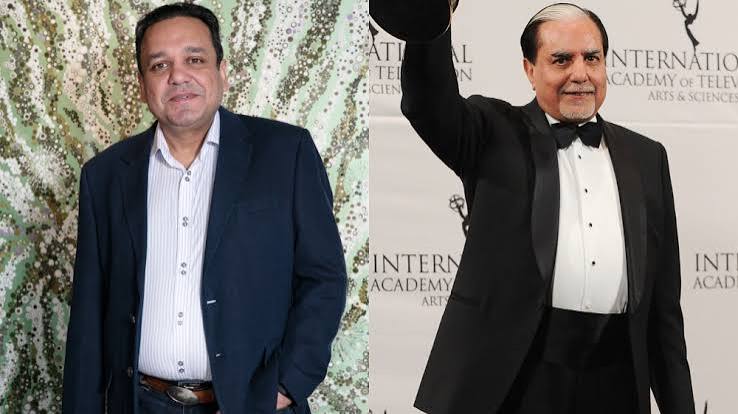
The day after the EGM, SEBI barred Zee Entertainment and two of its top executives—widely reported to be Managing Director & CEO Punit Goenka and Chairman Emeritus Subhash Chandra—from the securities market. The ban is an interim measure pending a full investigation into allegations of fund diversion, where Zee’s funds were allegedly siphoned to related entities of the promoter group. SEBI’s order restricts the executives from buying, selling, or otherwise dealing in securities, and may also bar them from holding board positions in listed companies.
SEBI’s action is a strong signal that it will not tolerate governance lapses, regardless of a company’s size or market importance. The regulator has been investigating Zee since at least 2023, and the ban order is the culmination of that investigation, at least at an interim stage. The company and its executives have consistently denied any wrongdoing, calling the allegations “baseless” and asserting that all transactions were legitimate and compliant with regulations.
The ban does not shut down Zee’s operations, but it complicates the capital raise. The infusion from the promoter group may face regulatory hurdles, as SEBI’s order could restrict the promoters’ ability to deal in securities, including subscribing to new shares. This creates uncertainty about whether the capital will actually reach the company, and how it will impact minority shareholders who approved the raise.
Shareholder and Market Reactions
The approval of the capital raise and the subsequent ban have elicited mixed reactions from shareholders and market participants. Some minority shareholders view the infusion as a positive step, as it signals promoter commitment and provides much-needed liquidity to a struggling company. Others, however, are concerned about the timing, questioning whether shareholders were fully informed of the regulatory risks before voting. The EGM was held just a day before the ban, raising suspicions that the promoter group rushed the approval to entrench itself despite governance failures.
Market analysts note that the news adds to a broader narrative of governance failures in Indian media conglomerates and promoter-led companies. It may impact investor confidence in Indian media stocks and prompt stricter due diligence on similar firms. Competitors, such as Reliance-backed Network18, Disney Star, and Sony, may benefit from Zee’s instability, as advertisers and viewers could shift to more stable platforms.
The Failed Sony Merger and Financial Stress
Zee’s current predicament is rooted in years of financial and governance stress. The company had been pursuing a $10 billion merger with Sony’s India unit since 2021, a deal that was expected to create a media powerhouse. However, the merger was called off in January 2024 after Sony terminated the agreement, citing unmet conditions and regulatory hurdles, including SEBI’s investigations into Goenka and Chandra. The collapse left Zee without the expected capital infusion and synergies, exacerbating its financial woes.
The company has been grappling with high debt levels, declining profitability, and competitive pressure from streaming giants like Netflix and Amazon Prime Video. The capital infusion from the promoter group was seen as a critical lifeline to stabilize the company and fund its operations, including its digital streaming platform ZEE5. The ESOP approval was also aimed at retaining key talent amid the uncertainty, as the company faces potential leadership vacuum due to the ban.
Legal and Governance Questions
The case raises important legal and governance questions about the adequacy of shareholder approval processes when regulatory actions are imminent. Shareholders approved the capital raise without knowing that SEBI would ban the company and its executives the next day. This has led to calls for greater transparency and disclosure of regulatory risks in shareholder communications. Some legal experts argue that the EGM should have been postponed or that shareholders should have been informed of the imminent regulatory action, to allow for an informed decision.
On the other hand, SEBI’s stance is that capital infusion cannot be used to circumvent regulatory scrutiny or whitewash past misconduct. The regulator’s action is a reminder that companies must comply with securities laws, and that promoters cannot use their influence to undermine market integrity. The ban is likely to be challenged by Zee and its executives, who may seek legal recourse to lift the restrictions, but the outcome remains uncertain.
What Lies Ahead for Zee
The future of Zee Entertainment is now uncertain. The company must navigate the regulatory ban, which could affect its ability to raise capital, appoint directors, and conduct business in the securities market. The capital infusion from the promoter group, if it proceeds, could provide some relief, but it may be subject to SEBI’s approval. The company also faces the challenge of restoring investor confidence and addressing the governance issues that led to the ban.
In the broader context, the Zee case serves as a cautionary tale for promoter-led companies in India, highlighting the importance of robust corporate governance and compliance. It also underscores the regulator’s commitment to protecting market integrity, even at the cost of disrupting a major media conglomerate. As the situation unfolds, stakeholders will be watching closely to see how Zee navigates this crisis and whether it can emerge stronger or faces further decline.
The approval of the capital raise and the subsequent SEBI ban have plunged Zee Entertainment into a state of uncertainty. While the infusion was intended to provide a lifeline, the regulatory action complicates its implementation and raises fundamental questions about governance and transparency. The coming months will be critical for Zee as it seeks to resolve the regulatory issues, secure the capital, and restore confidence among investors and the market. The outcome will not only determine Zee’s fate but also send a strong signal about the enforcement of securities laws in India’s media sector.
Summary
- Shareholders of Zee Entertainment approved a promoter group capital infusion of INR 3,143.5 crore (approx. $330 million) and an ESOP at an EGM, one day before SEBI barred the company and two executives from the securities market.
- The ban is an interim measure in an investigation into alleged fund diversion by the promoter group, which the company denies.
- The capital raise was critical after the collapse of a $10 billion merger with Sony, leaving Zee financially stressed.
- The timing raises governance concerns, with questions about whether shareholders were fully informed of regulatory risks.
- SEBI’s action signals a tough stance on governance lapses, potentially impacting investor confidence in Indian media stocks.
FAQ
Q: What did Zee shareholders approve at the EGM?
A: Shareholders approved a promoter group fund infusion of INR 3,143.5 crore (approximately $330 million) and a new employee stock option plan (ESOP) to support the company’s finances and retain talent.
Q: Why did SEBI ban Zee and its executives?
A: SEBI barred Zee Entertainment and two top executives, reportedly Punit Goenka and Subhash Chandra, from the securities market as an interim measure in an investigation into alleged diversion of company funds to related promoter entities.
Q: Does the ban mean Zee will stop operations?
A: No, the ban restricts the company and executives from dealing in securities, but it does not shut down Zee’s broadcasting or content operations. However, it complicates the capital raise and may affect leadership.
Q: Can the capital infusion still go through?
A: The infusion may face regulatory hurdles, as SEBI’s order could restrict the promoters’ ability to subscribe to new shares. The company may need to seek SEBI’s approval or challenge the ban legally.
Q: What led to Zee’s financial troubles?
A: Zee has faced years of financial stress, including declining profits, high debt, and the collapse of a $10 billion merger with Sony’s India unit in January 2024, which left the company in need of capital.