Grief is one of the most universal human experiences, yet it often leaves us feeling isolated and unsure how to move forward. Whether you’re mourning the death of a loved one, the end of a marriage, or the loss of a job, the pain can feel overwhelming. The good news is that psychologists, counselors, and researchers have identified specific strategies that genuinely help. These five approaches, drawn from years of clinical research and expert consensus, won’t erase your pain—but they can help you carry it with more resilience and hope.
What We Get Wrong About Grief
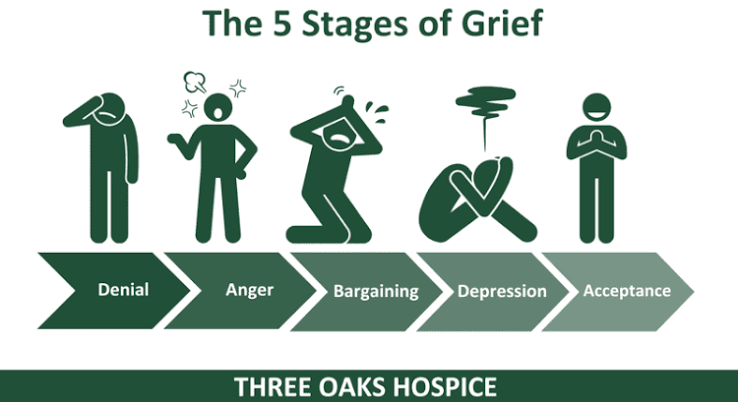
Many of us grew up hearing about the ‘five stages of grief’—denial, anger, bargaining, depression, and acceptance. But here’s the thing: that model, introduced by psychiatrist Elisabeth Kübler-Ross in 1969, was never intended as a universal roadmap for the bereaved. It was based on her work with terminally ill patients facing their own death, not on how people grieve a lost loved one.
Modern experts, like those at Columbia University’s Center for Complicated Grief, describe grief as a ‘roller coaster’ or a series of waves. It doesn’t follow a linear path. You might feel fine for weeks, then suddenly be hit by a wave of sadness on a random Tuesday. That’s not a setback—it’s normal. There’s no ‘correct’ timeline, and comparing your grief to someone else’s is a guaranteed way to feel worse.
So if the stages model doesn’t hold up, what does? Over the past two decades, grief researchers have reached a strong consensus on what actually helps people adapt to loss. Here are the five strategies that keep showing up in the evidence.
1. Let Yourself Feel the Pain (Instead of Avoiding It)
It’s tempting to stay busy, throw yourself into work, or numb the pain with alcohol or binge-watching. But avoidance tends to backfire. Research on ‘meaning-making’ by psychologist Robert Neimeyer and others shows that people who actively engage with their loss—rather than suppressing it—adjust better in the long run.
This doesn’t mean you need to be sad 24/7. It means carving out time to sit with your feelings. Cry if you need to. Write in a journal about what you’re going through. Talk to a trusted friend about how you’re really doing. The goal is to acknowledge the pain so it can begin to soften.
A practical way to start: set a daily ‘grief check-in’ of just 10 minutes. Use that time to feel whatever arises, without judgment. When the time is up, gently return to your day. This gives your grief a place to exist without letting it take over everything.
2. Stay Connected (Isolation Makes It Worse)
Grief can make you want to withdraw. But isolation is one of the biggest risk factors for complicated grief—a persistent, debilitating form of grief that lasts more than a year. Human beings are wired for connection, and that doesn’t stop when we’re grieving.
Talk about the person you lost. Share memories, even the painful ones. You might worry that bringing up your loss will burden others, but most friends and family want to help—they just don’t know how. You can help them by being direct: ‘I’m struggling today. Could we grab coffee?’ or ‘Would you be okay if I talked about my mom for a bit?’
Joining a grief support group can also be transformative. Unlike friends who may not understand, group members have walked a similar path. You’ll find a space where you can say ‘I’m not okay’ without any pressure to explain or apologize. Many groups are now online, making them more accessible than ever.
3. Rebuild Your Routines and Take Care of Your Body
Grief is exhausting—and it’s not just in your head. It triggers a real physiological response: increased inflammation, disrupted sleep, and a spike in stress hormones like cortisol. There’s even a documented condition called ‘broken heart syndrome,’ where intense emotional stress causes temporary heart muscle dysfunction.
This is why self-care isn’t selfish; it’s survival. When you’re grieving, basic routines often fall apart. You might forget to eat, lie awake at night, or have no energy to exercise. Start small. Focus on getting enough sleep, even if that means going to bed earlier or taking a short nap. Eat regular meals, even if they’re simple. Go for a short walk—gentle exercise has been shown to boost mood and reduce stress.
Structure can be a lifeline. Create a simple daily schedule: wake up at the same time, have a set mealtime, go for a walk at a consistent hour. These anchors give your day shape when everything else feels chaotic. As you feel stronger, you can gradually add more activities.
4. Create Meaning and Memorialize
Grief expert Robert Neimeyer calls this ‘meaning reconstruction’—the process of finding new meaning in life after a loss. One powerful way to do this is through memorialization. Rituals and projects that honor the person or thing you lost can help you integrate the loss into your life story.
There are countless ways to do this. You might plant a tree in your mother’s favorite spot, volunteer for a cause she cared about, or create a photo album of happy memories. Some people find comfort in writing a letter to the person they lost, or continuing a tradition the person loved. Others channel their grief into creative work—writing, painting, music.
The key is that the act is meaningful to you. It doesn’t have to be grand. Even something as simple as lighting a candle on important anniversaries can provide a sense of connection and purpose. These rituals help transform grief from something that ‘happens to you’ into something you actively shape.
5. Know When to Seek Professional Help
Grief is normal, but sometimes it becomes more than you can handle alone. Prolonged Grief Disorder—a condition recognized in the DSM-5-TR since 2022—affects about 7-10% of bereaved people. It’s characterized by intense, debilitating grief that persists for more than a year and interferes with daily functioning.
You don’t need to hit that threshold to benefit from professional support. Grief counseling and therapy can help at any stage. Specialty treatments like Complicated Grief Therapy (CGT) and Cognitive Behavioral Therapy (CBT) for grief have been shown to be highly effective. Therapists can help you process painful emotions, challenge unhelpful thoughts, and gradually rebuild your life.
Unfortunately, only a minority of grieving people seek therapy, often because they think they ‘should’ be fine or that it’s a sign of weakness. But asking for help is a sign of self-awareness and strength. If you’re struggling to function, feeling hopeless, or using substances to cope, it’s time to reach out. Your doctor can refer you, or you can find a grief specialist through organizations like the National Alliance for Grieving Children or local hospices.
Cultural Context: Grief Is Not One-Size-Fits-All
It’s important to remember that these strategies come from a Western psychological framework. Grief expression varies widely across cultures. Some cultures encourage public lamentation, while others value stoic restraint. Some communities have elaborate mourning rituals that provide structure and support, while others are more private. These differences are not right or wrong—they’re simply different ways of being human.
The five strategies above are not meant to be universal laws. They’re evidence-based tools that many people find helpful, but the best approach to grief is the one that resonates with your values, your community, and your own unique experience. The goal isn’t to ‘get over’ the loss, but to learn to live with it in a way that allows you to find meaning again.
Grief is not a problem to be solved but a process to be lived. There’s no finish line, no magical moment when the pain disappears. Instead, there are days when the waves are smaller, and days when they crash over you without warning. By allowing yourself to feel, staying connected, caring for your body, creating meaning, and seeking help when needed, you give yourself the best chance to adapt—not just to survive, but to eventually find moments of joy and purpose again. You don’t have to do it perfectly, and you don’t have to do it alone.
Summary
- Grief is not linear: The five-stage model is outdated; expect waves, not stages.
- Feel the pain: Avoidance prolongs suffering; engage with your emotions.
- Stay connected: Isolation increases risk of complicated grief; seek support.
- Self-care is essential: Grief affects your body; prioritize sleep, nutrition, and gentle exercise.
- Create meaning: Rituals and memorials help integrate the loss into your life.
- Professional help works: Complicated Grief Therapy and counseling are effective; don’t hesitate to ask.
FAQ
Q: How long does grief last?
A: There’s no set timeline. Acute grief often softens within 6-12 months, but waves can return for years, especially around anniversaries. That’s normal.
Q: Is it normal to feel physical symptoms from grief?
A: Absolutely. Grief can cause fatigue, sleep disruption, changes in appetite, and even increased inflammation. The ‘broken heart syndrome’ is a real medical condition linked to emotional stress.
Q: What is complicated grief?
A: Complicated grief, now called Prolonged Grief Disorder, is when intense grief lasts more than a year and interferes with your ability to function. It’s treatable with specialized therapy.
Q: Can I grieve for a pet or a job?
A: Yes, grief is a response to any significant loss, not just death. Pet loss, divorce, job loss, and other transitions can trigger genuine grief.
Q: How do I support a grieving friend?
A: Be present, listen without trying to fix, and offer specific help (like bringing a meal). Avoid clichés like ‘they’re in a better place.’ Simply showing up matters most.