Anorexia nervosa is a deadly mental illness, with the highest mortality rate of any psychiatric disorder. Standard treatments—like cognitive behavioral therapy and family-based therapy—help only some patients, and about 20–30% do not respond at all. There are no FDA-approved medications specifically for anorexia. Now, early clinical trials are testing a surprising candidate: psilocybin, the psychoactive compound in ‘magic mushrooms.’ The idea is not to get patients high, but to use a single dose to temporarily ‘reset’ the brain’s rigid patterns, creating a window for therapy to work. But the evidence is still preliminary, and the risks are real.
The Core Idea: Disrupting Rigid Thinking
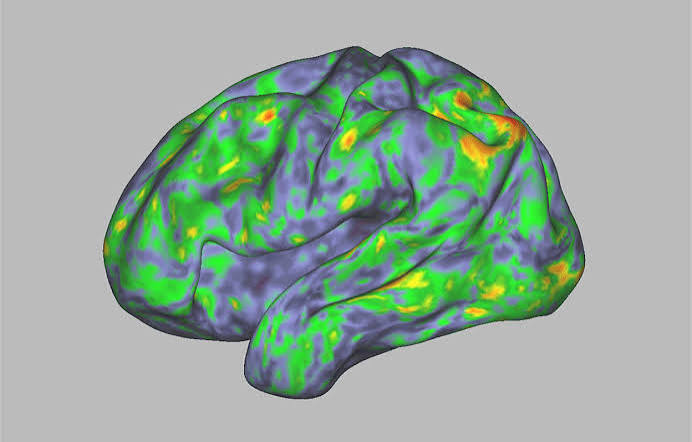
Anorexia is often described as a disorder of extreme control and inflexibility. People with anorexia get stuck in rigid patterns of thought and behavior around food, weight, and body image. They may obsess over calorie counts, follow strict eating rituals, and have an intense fear of gaining weight. This cognitive rigidity is not just a psychological quirk; it’s linked to overactivity in a brain network called the default mode network (DMN). The DMN is active when we’re not focused on the outside world—during daydreaming, rumination, or self-reflection. In anorexia, this network seems to be hyperactive, locking the person into repetitive, self-critical thoughts.
Psilocybin works by temporarily altering the activity of the DMN. It acts on serotonin receptors in the brain, particularly the 5-HT2A receptor, which is dense in the cortex. This leads to a state of ‘neuroplasticity’—the brain becomes more flexible, and connections between different regions change. In fMRI studies, psilocybin reduces the coherence of the DMN, effectively ‘quieting’ it. This is thought to ‘loosen’ the rigid thought patterns, allowing patients to see their relationship with food and body in a new light.
What the Early Trials Show
The most recent data comes from small, open-label trials at institutions like Johns Hopkins University and the University of California, San Diego. In these studies, patients with anorexia received a single dose of psilocybin (often 25 mg) in a clinical setting, with psychological support before, during, and after the session. The results, published in the last few years, show promise:
- Patients scored lower on the Eating Disorder Examination (EDE) at a 3-month follow-up, indicating reduced eating disorder symptoms.
- Many participants described a ‘reset’ in their relationship with their body and food, with effects lasting weeks to months.
- No serious adverse events were reported, though transient anxiety and nausea were common.
But these are proof-of-concept studies, not the gold-standard placebo-controlled double-blind trials. The lack of a control group means we can’t rule out the placebo effect, which is notoriously strong in psychedelic research—patients often expect a profound experience, and that expectation alone can drive improvement.
Why Psilocybin, and Why Now?
Psilocybin isn’t new. It was studied for various psychiatric conditions in the 1950s and 1960s, including eating disorders, but research halted after psychedelics were made illegal. The current revival began in the 2010s, with promising results for depression and addiction. Anorexia has been a late addition to the pipeline, but the rationale is compelling.
The ‘cognitive rigidity’ hypothesis suggests that if you can temporarily disrupt the over-controlled, inflexible thinking patterns, you might be able to ‘unlock’ the brain for change. Psilocybin is not a cure; it’s a catalyst. It provides a window of flexibility during which psychotherapy can be more effective. This is different from traditional medications, which target symptoms, not the underlying neurobiology.
The Skeptics’ Concerns
Not everyone is convinced. Critics point out several issues:
- Placebo effect: Without placebo controls, the true efficacy is unknown.
- Medical risks: Anorexic patients are often underweight and may have cardiac issues, such as QT prolongation, or electrolyte imbalances. Psilocybin can increase heart rate and blood pressure, which could be dangerous in this population.
- Ethical concerns: Anorexic patients are often highly suggestible, and a ‘mystical experience’ could be misinterpreted or lead to false hope.
- Scalability: Even if Phase 3 trials succeed, psilocybin therapy requires trained therapists, controlled settings, and careful medical monitoring. This is expensive and hard to scale.
What Patients and Advocates Say
Some patient communities are enthusiastic, viewing psychedelics as a last resort after failed treatments. They share testimonials of profound psychological insight and lasting behavioral change. Others are wary, fearing that psychedelic therapy could be exploitative or that it oversimplifies a complex disorder. Advocacy groups are split, with some pushing for more research and others urging caution.
The Road Ahead
Psilocybin remains a Schedule I substance in the US, though the FDA has granted it ‘Breakthrough Therapy’ designation for depression—not yet for anorexia. Currently, trials require special licenses. Larger Phase 3 trials are needed to confirm efficacy and safety. Researchers are also exploring whether multiple doses might be more effective than a single one.
It’s important to emphasize what psilocybin is not: it is not a ‘magic cure’ that will work for everyone. Response rates vary, and the evidence is preliminary. But the potential is real—if it can ‘kick-start’ recovery in even a fraction of patients who have exhausted other options, it could be a valuable addition to the treatment arsenal.
Psilocybin represents a paradigm shift in how we might approach anorexia—not as a symptom to be managed, but as a brain state that can be reset. The early data are encouraging, but they are early. Until large, controlled trials are done, we should view psilocybin as a promising experimental tool, not a proven treatment. For the 20–30% of patients who don’t respond to existing therapies, this research offers a glimmer of hope—but it must be pursued with rigor and caution.
Summary
- Early-phase trials suggest a single dose of psilocybin, paired with psychotherapy, may reduce anorexia symptoms for months.
- Psilocybin appears to ‘quiet’ the default mode network, disrupting rigid thought patterns.
- These are open-label proof-of-concept studies, not placebo-controlled—so the placebo effect is a real concern.
- Medical risks in anorexic patients (cardiac issues, low weight) require careful screening.
- More research is needed before psilocybin can be considered a standard treatment.
FAQ
Q: Does psilocybin cure anorexia?
A: No. Psilocybin is not a cure. It is a potential adjunct to psychotherapy, helping to create a ‘window of flexibility’ for change. The evidence is preliminary, and it does not work for everyone.
Q: Is psilocybin legal?
A: In the US, psilocybin is a Schedule I substance, meaning it’s illegal to possess or use. However, the FDA has granted it ‘Breakthrough Therapy’ designation for depression, and clinical trials are allowed under special licenses.
Q: How is psilocybin administered in trials?
A: In a controlled clinical setting, under medical supervision. Patients receive a single dose (e.g., 25 mg) and have psychological support before, during, and after the session.
Q: What are the risks?
A: Transient anxiety and nausea are common. In anorexic patients, there are additional risks due to low body weight and potential cardiac issues, so medical monitoring is essential.
Q: How long do the effects last?
A: In some patients, the ‘reset’ effect lasts for weeks to months, but it varies. The goal is to use that window for psychotherapy to make lasting changes.