
Tag: circadian rhythm

  • Your Bones Follow a Daily Rhythm and Late Nights May Be Throwing It Off

    Your Bones Follow a Daily Rhythm and Late Nights May Be Throwing It Off

    For most of medical history, bones were seen as inert scaffolding like the steel frame of a building that only changed during growth or after injury. But over the past decade, a quiet revolution in bone biology has overturned that view. Bones are living, dynamic tissues that constantly remodel themselves, and they do so on a strict 24-hour schedule.

    Research now shows that bone cells have their own internal clocks, and that the daily rhythm of breaking down and building bone is finely tuned to our sleep-wake cycle. When that rhythm is disrupted by shift work, chronic sleep deprivation, or irregular light exposure bone health can suffer in ways that may go unnoticed for years.

    From Static Scaffolding to Living Tissue

    The idea that bones are inert only died in the 1960s, when Harold Frost described the basic multicellular unit of bone remodeling. Before that, bones were compared to the steel frame of a building something that only changed during growth or after a fracture. Frost’s work showed that osteoclasts constantly break down bone while osteoblasts build it back, a process that continues throughout life. But even then, no one suspected that this remodeling had a daily rhythm.

    That changed after 2010, when researchers discovered that bone cells express clock genes—the same molecular machinery that drives circadian rhythms in the brain. Osteoblasts, osteoclasts, and osteocytes all contain internal 24-hour clocks, governed by genes like BMAL1, CLOCK, and Per. These clocks turn on and off in a coordinated cycle, telling bone cells when to break down and when to build.

    The Daily Dance of Breakdown and Buildup

    Studies in both mice and humans have revealed a clear pattern: markers of bone resorption, like CTX-I, peak at night, while markers of bone formation, like P1NP, peak during the day. This temporal separation is not random—it likely allows bones to respond to daily mechanical loading from walking, lifting, and other activities, while repairing micro-damage during rest.

    This rhythm also coordinates with calcium metabolism. Parathyroid hormone and vitamin D fluctuate daily, and bone cells are sensitive to these fluctuations. The result is a finely tuned system that optimizes bone quality.

    What Happens When the Clock Goes Wrong

    The most striking evidence comes from animal models. In a 2020 study in Cell Metabolism, researchers deleted clock genes in osteoblasts of mice, leading to low bone mass. The mice essentially lost their ability to build bone properly, even though they were otherwise healthy.

    Human studies echo these findings. Researchers at the University of Colorado showed that even short-term sleep restriction alters bone turnover markers within days. A 2022 study in the Journal of Bone and Mineral Research found that nurses working night shifts had reduced bone formation markers and increased resorption markers compared to day-shift nurses.

    Epidemiological studies have long linked shift work and chronic sleep deprivation to lower bone mineral density and higher fracture risk. These findings suggest that the circadian disruption itself—not just the accompanying poor diet or stress—is a direct contributor.

    The Modern Lifestyle Is a Bone Health Experiment

    Artificial light, late-night screen use, jet lag, and irregular eating schedules all desynchronize peripheral clocks, including those in bone. When your body’s master clock in the brain says “day” but your bone cells think it’s “night,” the signals get crossed. Over months and years, that can tip the balance toward net bone loss.

    The effect may be modest compared to diet, exercise, and genetics—some researchers caution that circadian disruption is just one factor among many. Shift workers also have poorer diets, less sun exposure, and higher stress, which confound the data. But the mechanistic evidence from animals and the rapid changes seen in human sleep-restriction studies suggest the effect is real.

    Can We Hack the Rhythm?

    Scientists are exploring several ways to protect bone health in a world that doesn’t respect circadian rhythms:

    • Time-restricted eating: Aligning meals with daylight hours may help keep peripheral clocks in sync.
    • Bright light therapy: Morning bright light exposure helps anchor the master clock and may indirectly benefit bone.
    • Chrono-optimized medication: Taking drugs like bisphosphonates at specific times of day could enhance their effectiveness, though this is still experimental.
    • Exercise timing: Some preliminary evidence suggests morning exercise may better support bone formation than evening exercise.

    For most people, the simplest takeaway is also the most familiar: prioritize consistent sleep. The same habits that protect your heart and brain—regular sleep schedules, limited screen time at night, and exposure to natural light during the day—also protect your skeleton.

    A Skeptic’s View

    Not everyone is convinced the effect is clinically significant. Some researchers argue that circadian disruption’s impact on bone is small compared to the well-established benefits of calcium, vitamin D, and weight-bearing exercise. And the translation gap is real: most mechanistic work is in mice, while human data are largely observational.

    But even if the effect is modest, it’s not trivial. In a society where 20% of workers are on some kind of shift schedule, and many others chronically shortchange their sleep, even a small negative impact on bone density could translate into thousands of additional fractures each year.

    The science is young, but the pattern is clear: your bones aren’t just passively sitting there—they’re listening to your daily rhythms. When you stay up late staring at a screen, you’re not just tired the next day; you’re also telling your bone cells to do their jobs at the wrong time.

    Bones are not static scaffolding; they are living tissue with a daily rhythm. Disrupting that rhythm—through shift work, sleep deprivation, or irregular schedules—may quietly undermine bone health. The good news is that the same habits that support good sleep also support strong bones: consistent schedules, morning light, and mindful screen use. As research continues, we may learn to fine-tune those habits even further, but for now, the message is simple: your bones want you to get a good night’s sleep.

    Summary

    • Bones are living tissues that constantly remodel, and they follow a 24-hour circadian rhythm.
    • Bone resorption peaks at night, while bone formation peaks during the day.
    • Disrupted circadian rhythms—from shift work or poor sleep—are linked to lower bone density and higher fracture risk.
    • Animal studies show that deleting clock genes in bone cells leads to low bone mass.
    • Simple lifestyle changes, like consistent sleep and morning light exposure, may help protect bone health.

    FAQ

    Q: Do bones really have their own circadian rhythm?
    A: Yes. Bone cells (osteoblasts, osteoclasts, and osteocytes) express clock genes that drive 24-hour cycles of activity. This rhythm is coordinated by the brain’s master clock and influenced by light, feeding, and hormones.

    Q: How does sleep deprivation affect bones?
    A: Even short-term sleep restriction alters bone turnover markers within days. Over time, chronic sleep deprivation or shift work is associated with lower bone mineral density and increased fracture risk.

    Q: Can I do anything to protect my bones if I work night shifts?
    A: Some strategies may help: maintain a consistent sleep schedule even on days off, use bright light exposure at the start of your shift, and consider timed meals. Consult your doctor about calcium and vitamin D intake.

    Q: Is the effect of circadian disruption on bone clinically significant?
    A: Research suggests the effect is real but modest compared to diet, exercise, and genetics. However, for shift workers and chronic sleep-deprived individuals, it could contribute to bone loss over time.

    Q: Can exercise timing make a difference?
    A: Preliminary evidence suggests morning exercise may support bone formation better than evening exercise, but more research is needed. Consistency in exercise, regardless of time, remains important.
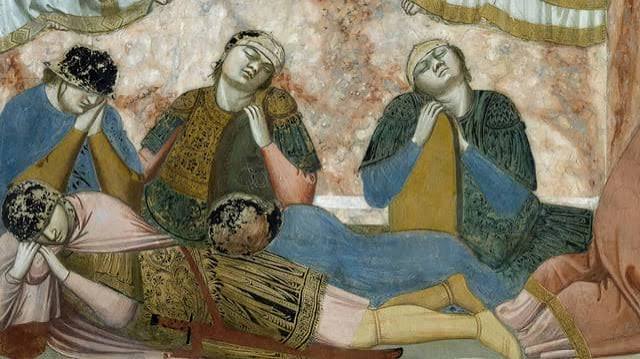

  • The Forgotten Two-Shift Night: How Our Ancestors Really Slept

    The Forgotten Two-Shift Night: How Our Ancestors Really Slept

    Imagine waking up in the middle of the night—not from a nightmare or a racing mind, but naturally, quietly, and then drifting back to sleep an hour or two later. For centuries, this was the norm. Before electric lights and 9-to-5 schedules, people across Europe and beyond slept in two distinct blocks, separated by a wakeful interval they used for prayer, conversation, or simply lying still in the dark.

    This pattern, known as segmented or biphasic sleep, was so common that it had its own names: “first sleep” and “second sleep” in English, premier somme in French, erste Schlaf in German. But by the 20th century, it had all but vanished from industrial societies. Why did our ancestors sleep this way? And could understanding it change how we think about modern insomnia?

    The Historical Evidence: A Night in Two Acts

    References to two sleeps appear throughout medieval and early modern records. Geoffrey Chaucer’s The Canterbury Tales (late 14th century) mentions the “first sleep” in the Miller’s Tale. English physician Sir Thomas Elyot’s The Castel of Helth (1539) advised readers to sleep twice, using the middle period for digestion or contemplation. French physician Laurent Joubert’s Traité du Sommeil (1579) described the interval as a time for intimacy, prayer, or reflection.

    These weren’t isolated mentions. Historian Roger Ekirch, in his 2005 book At Day’s Close: Night in Times Past, documented hundreds of references across Europe, the Americas, and parts of Asia. The wakeful interval was not a source of anxiety; it was a socially sanctioned pause. People used it to pray the Catholic vigils (Matins and Lauds), read, talk with bedfellows, have sex, or check on the fire and livestock. Church services were even timed to accommodate this natural break in the night.

    The Biology: What Happens When Darkness Lasts 14 Hours

    In the 1990s, psychiatrist Thomas Wehr at the National Institute of Mental Health ran a curious experiment. He asked volunteers to spend 14 hours in darkness every night for several weeks. The results were striking. Within a few weeks, participants naturally settled into a biphasic pattern: they slept about 4–5 hours, woke for 1–2 hours, then slept another 3–4 hours.

    Crucially, the wakeful interval felt nothing like insomnia. Subjects described a calm, meditative state—a peaceful stillness, not the racing thoughts that plague many modern insomniacs. Wehr’s work suggests that under long-darkness conditions—which were the norm before artificial lighting—the human brain may be predisposed to split sleep into two blocks.

    Why? Our circadian rhythms are not rigidly monophasic. There’s a natural dip in sleep pressure in the middle of the night, and melatonin secretion and body temperature follow a curve that aligns with a two-part sleep schedule. In other words, the two-shift night may be closer to our biological default than the single 7–9 hour block we now consider standard.

    The Wakeful Interval: Not a Disorder, But a Feature

    Historical accounts paint the middle-of-the-night waking as functional, even pleasant. People didn’t lie in bed wishing for sleep; they got up, did something useful or enjoyable, and then returned to bed for the “second sleep.” This was not considered pathological. It was simply how the night worked.

    This has profound implications for how we view modern sleep problems. When someone wakes at 2 AM and can’t get back to sleep, they often panic. But if segmented sleep was the ancestral norm, then that 2 AM waking might be a vestige of an older pattern—not a disorder, but a natural rhythm that our artificial lighting and work schedules have suppressed.

    That said, sleep medicine draws a clear line. “Segmented sleep” is normal when it’s non-distressing and doesn’t impair daytime function. “Insomnia” is a disorder when the waking causes anxiety or leads to tiredness and poor performance the next day. The key difference is how you react to the waking. If you lie there feeling frustrated, that’s a problem. If you calmly read for an hour and then drift back off, that’s just your biology.

    The Industrial Revolution and the Death of the Two-Shift Night

    The shift to a single, consolidated sleep didn’t happen overnight. It was driven by several forces:

    • Artificial lighting: Gas lamps in the 1800s and electric lights in the early 1900s extended the day. People could stay up later and didn’t need to sleep in two blocks to fill the dark hours.
    • Standardized work schedules: Factory shift work and the 9-to-5 workday compressed the night into a fixed block. There was no time for a two-hour wakeful interval in the middle.
    • Changing social norms: The Victorian era saw a rise in privacy and separate bedrooms for couples. The communal, intimate night-time waking became less common.

    By the 20th century, the two-shift night was largely forgotten. But it didn’t disappear because it was unhealthy; it disappeared because the world changed around it.

    What Segmented Sleep Means for Modern Insomnia

    The idea of segmented sleep has sparked a popular reassessment of insomnia. If our ancestors naturally woke in the night, perhaps modern “middle-of-the-night insomnia” is not a malfunction but a ghost of an ancient pattern. Some researchers argue that our bodies are still adapted to a biphasic rhythm, and that the pressure to sleep 8 uninterrupted hours may be a cultural construct.

    However, not everyone is convinced. Skeptics point out that historical records are biased toward literate, often wealthy adults—not a representative sample of all people. The two-shift pattern might have been a response to cold, discomfort, or overcrowding, rather than a biological default. Wehr’s experiment used extreme conditions (14 hours of darkness) that don’t match modern life. And for many people, waking in the night is genuinely distressing and disruptive.

    The truth likely lies in nuance. Segmented sleep was common, but it wasn’t universal. Some people slept through the night even then. The wakeful interval was a cultural and practical response to long nights, not a universal biological imperative. But the evidence does suggest that a single, unbroken 8-hour sleep is not the only “natural” way to sleep.

    Lessons for Today

    What can we take from this? First, if you wake in the night and feel calm, you might be experiencing a vestige of the ancestral pattern. There’s no need to panic. Second, the history of sleep reminds us that our sleep habits are shaped by environment and culture, not just biology. The two-shift night survived for centuries because it worked. It declined because lighting and work changed.

    For those who struggle with sleep, the lesson is not to force yourself into a monophasic mold. If you naturally wake after 4 hours and feel alert, embrace it. Use the time for quiet reading, meditation, or simply lying still. But if waking causes anxiety or daytime fatigue, that’s a different story—and a reason to consult a sleep specialist.

    Ultimately, the two-shift night is a window into our past. It shows us that sleep is more flexible than we often assume. And it challenges the modern dogma that 8 uninterrupted hours is the only path to rest.

    The two-shift night was not a quirk or a disorder; it was a way of life for centuries. As we grapple with modern sleep problems, the history of segmented sleep offers a valuable reminder: our bodies may be more adaptable than our schedules allow. The next time you find yourself awake at 2 AM, you might be closer to your ancestors than you think—and that’s not necessarily a bad thing.

    Summary

    • Segmented (biphasic) sleep—sleeping in two blocks with a 1–3 hour wakeful interval—was common in pre-industrial Europe, as documented in literature, medical texts, and diaries from 1200–1700 CE.
    • References to “first sleep” and “second sleep” appear in Chaucer, Elyot, and Joubert, and the wakeful interval was used for prayer, reading, conversation, and sex—not considered pathological.
    • Thomas Wehr’s 1990s experiment showed that under 14-hour darkness, subjects naturally adopted a biphasic pattern, experiencing calm wakefulness rather than anxiety.
    • The decline of segmented sleep is linked to artificial lighting, industrial work schedules, and changing social norms around privacy, not to any health benefit of consolidated sleep.
    • Modern “middle-of-the-night insomnia” may sometimes be a vestigial return to the ancestral pattern, but it’s considered a disorder only when it causes distress or daytime impairment.

    FAQ

    Q: What exactly is segmented sleep?
    A: Segmented (or biphasic) sleep is a pattern where sleep is divided into two main blocks overnight, separated by a wakeful period of 1–3 hours. It’s different from a daytime siesta and from insomnia-related night waking.

    Q: How do we know our ancestors slept this way?
    A: Historical documents—including Chaucer’s Canterbury Tales, medical texts by Elyot and Joubert, and personal diaries—contain hundreds of references to “first sleep” and “second sleep.” Historian Roger Ekirch compiled extensive evidence in his book At Day’s Close.

    Q: Is waking in the middle of the night a sign of insomnia?
    A: Not necessarily. If you wake calmly and can fall back asleep without distress, it may be a normal variation. Insomnia is defined as waking that causes anxiety or daytime impairment. The key is how you react to the waking.

    Q: Why did segmented sleep disappear?
    A: The main drivers were artificial lighting (gas and electric), which made nights shorter and allowed people to stay awake later, and standardized work schedules that compressed sleep into a single block. Changing social norms, like separate bedrooms, also played a role.

    Q: Should I try to adopt a two-shift sleep pattern?
    A: You don’t need to force it. If you naturally wake at night and feel calm, embrace it. But if you’re sleeping well in a single block, there’s no reason to change. The takeaway is flexibility, not prescription.

  • 5 Morning Rituals That Rewire Your Brain Chemistry

    5 Morning Rituals That Rewire Your Brain Chemistry

    The first hour after waking is not just a transition—it’s a biological window. Your brain is primed to respond to specific cues that can set your mood, focus, and stress levels for the rest of the day. While the idea of a ‘perfect morning’ often veers into wellness cliché, a handful of practices have genuine, measurable effects on neurotransmitters and hormones.

    These five rituals aren’t about productivity hacks. They work by directly influencing the chemical messengers that govern alertness, motivation, calm, and even your brain’s ability to rewire itself. Here’s what the science says about each, and how to put them into practice.

    Morning Sunlight: Your Brain’s Master Clock

    Expose your eyes to natural light within 30–60 minutes of waking. Even 10 minutes on a clear day—or 20–30 under cloud cover—is enough to trigger a cascade of effects. Light hits retinal ganglion cells, which send a signal to the suprachiasmatic nucleus (SCN) in the hypothalamus, the brain’s master clock. This synchronizes your circadian rhythm, timing the release of cortisol to promote alertness and setting up melatonin production for the evening.

    Morning light also boosts serotonin synthesis. Serotonin is the neurotransmitter that stabilizes mood and supports a sense of well-being. Without adequate morning light, your circadian rhythm can drift, leading to sluggishness and poor sleep quality. The effect is so potent that light exposure is considered the single strongest cue for circadian alignment.

    Practical tip: Step outside before checking your phone. If you’re in a climate with limited morning sun, consider a light therapy lamp that emits 10,000 lux.

    Cold Exposure: A Shock That Sharpens Focus

    A cold shower or plunge triggers the sympathetic nervous system, releasing a flood of norepinephrine and dopamine. A 2014 study by Shevchuk found that cold showers increased blood norepinephrine by 530%. That’s a massive spike in alertness. Dopamine, the reward and motivation neurotransmitter, can stay elevated for hours afterward, which may explain why many people report feeling focused and upbeat after a cold start.

    The discomfort is brief, but the effects are not. Beta-endorphins also rise, providing a natural mood lift. If you’re new to cold exposure, start with 30 seconds of cold water at the end of your regular shower and gradually extend the time.

    Exercise: A Neurochemical Cocktail

    Moderate aerobic exercise—a brisk walk, a jog, a bike ride—increases synthesis and release of dopamine, serotonin, and endorphins. It also triggers the release of brain-derived neurotrophic factor (BDNF), a protein that supports neuroplasticity, the brain’s ability to form new connections. The effects last 4–8 hours after you finish, meaning a morning workout can enhance your mental performance well into the afternoon.

    The classic ‘runner’s high’ is now understood to involve endocannabinoids like anandamide, which contribute to feelings of euphoria and reduced anxiety. You don’t need to run a marathon; 20–30 minutes of moderate activity is enough to get the benefits.

    Mindfulness: Shrinking Stress, Growing Focus

    Ten to twenty minutes of mindfulness meditation each morning can reduce cortisol and regulate amygdala activity—the brain’s alarm center. A 2019 study by Šramková and Heretik found that 10 minutes of daily mindfulness for 8 weeks decreased cortisol and improved emotional regulation. Over time, meditation increases gray matter density in the hippocampus (memory) and prefrontal cortex (decision-making, impulse control).

    GABA, the brain’s primary inhibitory neurotransmitter, also rises with regular practice, promoting calm without sedation. You don’t need an app or a special cushion; simply sit comfortably, close your eyes, and focus on your breath for 10 minutes.

    High-Protein Breakfast and Hydration: Fuel for Neurotransmitters

    Your brain needs amino acids to build neurotransmitters. Tyrosine is a precursor to dopamine and norepinephrine; tryptophan is a precursor to serotonin. A breakfast with adequate protein—eggs, Greek yogurt, tofu, or a protein shake—ensures a steady supply of these building blocks. Pair it with hydration: even 1–2% dehydration impairs attention, memory, and mood. The brain is about 73% water, so morning hydration is non-negotiable.

    Avoid a sugar-heavy breakfast, which causes a rapid glucose spike and crash, undermining the stable energy you’ve just built with the other rituals. Instead, aim for a balanced meal with protein, healthy fats, and complex carbs.

    Why These Rituals Work Together

    Individually, each ritual has benefits. Stacked, they amplify each other. Sunlight sets your circadian rhythm, cold exposure boosts alertness, exercise primes your brain for learning, meditation reduces stress, and nutrition provides the building blocks. This isn’t about perfection; even one or two of these practices can shift your brain chemistry in a positive direction.

    Start small. Pick one ritual and commit to it for a week. Then add another. The goal is not to overhaul your life overnight, but to build a morning that works for your brain.

    Your morning is a lever. Each ritual pulls a different chemical switch, and together they can shape a day of greater focus, calm, and resilience. The science is clear: these practices are not mere trends. They are evidence-based tools for influencing brain chemistry. Start with one, be consistent, and let your brain do the rest.

    Summary

    • Morning sunlight within 30–60 minutes of waking synchronizes your circadian rhythm and boosts serotonin.
    • Cold exposure increases norepinephrine by up to 530% and elevates dopamine for hours.
    • Moderate morning exercise raises dopamine, serotonin, and BDNF, supporting neuroplasticity for 4–8 hours.
    • Ten minutes of mindfulness daily reduces cortisol and increases gray matter in brain regions tied to memory and decision-making.
    • A high-protein breakfast and adequate hydration supply the amino acids your brain needs to produce neurotransmitters.

    FAQ

    Q: How long should I spend on each ritual?
    A: Sunlight: 10–30 minutes. Cold exposure: start with 30 seconds. Exercise: 20–30 minutes. Meditation: 10 minutes. Breakfast: 15 minutes. Total: about an hour, though you can scale down.

    Q: Can I do these in any order?
    A: Yes, but sunlight first is best because it sets your circadian rhythm. Then cold exposure and exercise work well together, followed by meditation and breakfast.

    Q: What if I don’t have time for all five?
    A: Prioritize sunlight and exercise—they have the most profound effects on brain chemistry. Add others as you can.

    Q: Are these rituals safe for everyone?
    A: Generally, yes. But if you have a medical condition (e.g., cardiovascular issues), consult a doctor before starting cold exposure or intense exercise.

    Q: How long until I notice changes?
    A: Some effects, like alertness from cold exposure, are immediate. Others, like increased gray matter from meditation, take weeks. Consistency is key.