
Tag: cheating

  • The Eye in the Sky: What Casino Surveillance Teams Actually Watch

    The Eye in the Sky: What Casino Surveillance Teams Actually Watch

    When you step onto a casino floor, the chime of slot machines and the shuffle of cards are not the only things tracking your every move. High above the gaming tables, in a windowless room packed with monitors, a team of former police officers and military analysts is watching. They can zoom in on the sweat on a dealer’s brow, follow a single chip as it changes hands, and flag a player who seems a little too interested in the ceiling.

    Casino surveillance, often called ‘the eye in the sky,’ is one of the most secretive operations in the gaming industry. But what exactly do these teams watch for? The answer goes far beyond catching cheaters. From employee theft to money laundering, and even your body language, casinos are collecting a staggering amount of data on everyone who walks through their doors.

    A City of Cameras

    Walk into any large casino on the Las Vegas Strip, and you’re being recorded by more cameras than you’d find in a typical airport. Modern casinos can have anywhere from 1,000 to 3,000 cameras, with some mega-resorts exceeding 5,000. These aren’t just scattered around the gaming floor. They cover entrances, parking garages, cash-handling rooms, and even back-of-house areas where employees take breaks.

    The coverage is near-total for anything involving money. Every gaming table, cashier cage, and ATM has a camera angle that captures it from multiple views. Slot machines are monitored both by overhead cameras and through internal data feeds, so surveillance operators can see exactly what’s happening on the screen in real time, even if the player is standing in the way.

    These cameras are not your average security cameras. Many are PTZ (pan-tilt-zoom) models with 36x to 50x optical zoom. From across the room, they can read the suit of a card or the denomination of a chip. In high-stakes areas, 4K resolution and facial recognition software add another layer of scrutiny, though the use of facial recognition varies by jurisdiction. In Macau and parts of the U.S., it’s deployed to flag known cheats and banned players. Elsewhere, privacy laws restrict its use.

    More Than Cheaters: The Surprising Targets

    If you think surveillance is all about catching card counters and card markers, think again. While cheating at table games is a major focus, the biggest theft problem in casinos is often internal. Employee theft—whether a dealer skimming chips, a cashier pocketing a payout, or a slot attendant faking a jackpot—accounts for a larger share of losses than patron theft. That’s why surveillance teams watch employees just as closely as customers.

    One of the most common schemes they’re trained to spot is collusion between a dealer and a player. A dealer might signal the value of their hole card with a subtle hand gesture, or a player might ‘past-post’ by adding a bet after the outcome is known. These moves are easy to miss for the untrained eye but stand out to an operator who’s seen thousands of hands.

    Surveillance also plays a role in comp fraud. Players who claim they played for six hours at a $100 table when they actually played for one hour at a $5 table are committing fraud. Operators watch for patterns of play that don’t match the player’s claimed activity.

    Then there’s money laundering. Casinos are attractive targets for criminals looking to legitimize dirty money. Surveillance teams look for ‘structuring’—breaking up large transactions into smaller ones to avoid reporting thresholds—or ‘chip walking,’ where someone buys chips, plays briefly, and then cashes out, creating a paper trail that looks like gambling winnings.

    The Human Element: Watching the Watchers

    All the cameras in the world wouldn’t help without skilled eyes to interpret the footage. That’s where the human element comes in. A typical Las Vegas Strip casino employs 50 to 150 surveillance operators, many of them former law enforcement or military personnel. They’re trained to read body language, betting patterns, and dealer mechanics.

    A surveillance operator might notice that a player at a blackjack table never looks at the dealer, only at the cards. That could signal an advantage player who’s tracking cards. Or they might see a dealer whose hands move in an unusual pattern after a high-value player sits down—a potential sign of collusion.

    The job is psychologically demanding. Operators work in shifts, often in windowless rooms with banks of monitors. They must maintain intense focus for hours, knowing that a single missed detail could cost the casino thousands of dollars. Some casinos are now using AI-based behavioral analytics to help flag anomalies, like a player who stands too close to a slot machine or a dealer who touches their face at the same time every hand. But the human eye remains the final authority.

    The Regulatory Web: More Than Just House Rules

    Casino surveillance isn’t just a matter of house policy; it’s heavily regulated. In Nevada, the Gaming Control Board sets minimum standards for camera coverage, requiring that all gaming tables, cashier cages, and count rooms be under surveillance. Record retention rules vary by jurisdiction, but most casinos keep general footage for 7 to 30 days, and longer if it’s related to a jackpot or dispute.

    Surveillance rooms are off-limits to anyone without a gaming license. Operators must pass background checks and undergo continuous training. In some states, like New Jersey, footage can be subpoenaed in legal disputes. In others, it’s considered proprietary and is closely guarded.

    This regulatory framework exists because casinos are both a target for crime and a magnet for litigation. Surveillance footage protects the casino from fraudulent injury claims (someone slipping on a wet floor they caused) and supports the house in disputes over payouts. It also helps catch pickpockets and other criminals who prey on patrons.

    What It Means for You

    For the average player, being watched is a fact of life in a casino. But it’s not just about catching cheats. The data collected can be used to build a profile of your behavior. Casinos watch high rollers to ensure they get the right comps—if you’re playing $500 a hand, they want to know it, so they can offer you a free suite. But they’re also collecting information on your habits, your preferences, and even your reactions to wins and losses.

    Privacy advocates raise concerns about this level of monitoring, especially with face recognition and data sharing with law enforcement. Casinos, on the other hand, argue that surveillance protects everyone—patrons and staff alike. And in a business where millions of dollars change hands every day, the eye in the sky is unlikely to blink.

    The next time you toss a chip onto a craps table, remember that someone, somewhere, is probably watching. But it’s not personal—it’s just business. Casino surveillance is a sophisticated mix of technology and human intuition, designed to protect the house, the employees, and the patrons. While the idea of being constantly monitored might feel uncomfortable, it’s also what keeps the game fair and the casino safe. So play your cards right, and you’ll have nothing to worry about.

    Summary

    • Modern casinos can have 1,000 to 3,000+ cameras, with some exceeding 5,000, covering every angle of the gaming floor and back-of-house areas.
    • Surveillance teams watch for more than just cheating: employee theft, comp fraud, money laundering, and safety incidents are all major targets.
    • Operators are often former law enforcement or military, trained to read body language and betting patterns.
    • AI and facial recognition are increasingly used, but human operators remain essential.
    • Regulatory bodies like the Nevada Gaming Control Board mandate minimum surveillance standards and record retention periods.

    FAQ

    Q: Are casinos allowed to use facial recognition?
    A: It depends on the jurisdiction. Some, like Macau and parts of the U.S., use it to flag known cheats and banned players. Others restrict its use due to privacy laws.

    Q: Can surveillance footage be used against me?
    A: In some jurisdictions, such as New Jersey, footage can be subpoenaed in legal disputes. In others, it’s considered proprietary and is not shared without a court order.

    Q: Do casinos watch card counters?
    A: Yes, but card counting is legal. Casinos can’t arrest you, but they can ban you from the property. Surveillance teams track counters to identify them and alert security.

    Q: How long do casinos keep surveillance footage?
    A: It varies, but generally 7 to 30 days for general footage. Footage related to jackpots or disputes may be kept longer.

    Q: Can employees see the surveillance feed?
    A: No. Surveillance rooms are off-limits to anyone without a gaming license, and operators are required to maintain confidentiality.
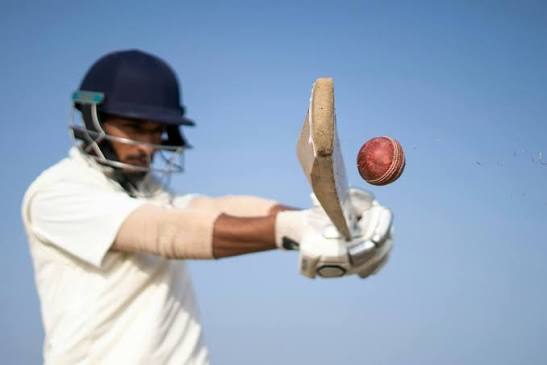
  • Clickgate: What the Cricket Cheating Scandal Reveals About the Nebulous ‘Spirit’ of the Game

    Clickgate: What the Cricket Cheating Scandal Reveals About the Nebulous ‘Spirit’ of the Game

    In March 2018, the cricketing world was rocked by a scandal that came to be known as ‘Clickgate’ or ‘Sandpapergate.’ Australian batsman Cameron Bancroft was caught on camera using sandpaper to rough up the ball during a Test match against South Africa. The incident wasn’t just about cheating—it exposed a deep-seated cultural problem within the Australian team and raised uncomfortable questions about the so-called ‘Spirit of Cricket.’

    What exactly is this ‘spirit’? It’s a term invoked by players, pundits, and fans alike, yet it remains frustratingly vague. Unlike the Laws of Cricket, which are codified and enforceable, the Spirit is an unwritten moral code—a set of ideals about respect, integrity, and fair play. Clickgate forced cricket to confront the gap between its lofty self-image and the gritty reality of professional sport. This article explores what the scandal reveals about that nebulous concept and why it matters for the game’s future.

    The Incident: A Click Heard Around the World

    On March 24, 2018, during the third day of the second Test between Australia and South Africa at Newlands, Cape Town, television cameras caught Cameron Bancroft furtively rubbing the ball with a piece of yellow tape. The stump microphone picked up a distinct ‘click’ as his fingers worked the abrasive surface—hence the name ‘Clickgate.’

    Initially, Bancroft claimed it was just tape to pick up dirt. But under pressure, he admitted it was sandpaper. The subsequent investigation revealed a premeditated plan orchestrated by the team’s leadership, including captain Steve Smith and vice-captain David Warner. The fallout was swift and severe: Smith and Warner received 12-month bans, Bancroft got 9 months, coach Darren Lehmann resigned, and Cricket Australia launched a cultural review that found a ‘win-at-all-costs’ mentality.

    What made Clickgate different from previous ball-tampering incidents was not the act itself—that has a long and murky history—but the fact that it was a calculated, leadership-driven conspiracy, followed by an attempted cover-up. This wasn’t a moment of spontaneous cheating; it was a systemic failure.

    The ‘Spirit of Cricket’: A Noble Ideal or Empty Rhetoric?

    The Preamble to the Laws of Cricket, governed by the Marylebone Cricket Club (MCC), states that cricket ‘owes much of its appeal and enjoyment to the fact that it should be played not only within its Laws but also within the Spirit of the Game.’ This spirit is defined by values like respect for opponents, umpires, and the game itself.

    Yet, unlike many sports, cricket has no formal mechanism to enforce this spirit. There’s no ‘fair play’ points system or referee-driven conduct code for ethical breaches beyond the Laws. The Spirit exists as a cultural norm, upheld by tradition, media scrutiny, and public opinion—not by the rulebook. This vagueness is both its strength and its weakness. It allows for flexibility and nuance, but it also makes it easy to ignore or manipulate.

    Clickgate exposed this fragility. When the Australian team was caught, the cricketing world reacted with outrage, but that outrage was selective. Ball-tampering has been part of cricket’s ‘dark arts’ for decades. From Bob Willis and bottle tops in 1981 to Waqar Younis and Wasim Akram’s reverse-swing controversies in the 1990s, to Shahid Afridi biting the ball in 2010, and Faf du Plessis using a mint in 2016—cheating has been endemic. Most of these were individual, opportunistic acts. Clickgate was different because it was orchestrated by leadership, making it a premeditated assault on the game’s integrity.

    The Hypocrisy Angle: Selective Morality

    Critics argue that the ‘Spirit of Cricket’ is often used as a marketing tool to differentiate cricket from ‘rougher’ sports, rather than as a genuine ethical framework. The outrage over Clickgate was disproportionate compared to prior incidents, partly because it was caught on camera, partly because it involved Australia—a team with a reputation for aggression—and partly because it was a leadership decision.

    This hypocrisy is not lost on players. Many have pointed out that ‘gamesmanship’—sledging, time-wasting, appealing for non-existent edges—is tolerated and even celebrated. Where do we draw the line? The Spirit is invoked selectively, often to condemn opponents while excusing one’s own team. Clickgate forced cricket to confront this double standard, but it didn’t resolve it.

    The Cultural Problem: Win-at-All-Costs

    The Cricket Australia review, released in 2018, painted a damning picture of the team’s culture. It found that the pursuit of victory had overshadowed integrity, fostered by a hyper-competitive environment, media pressure, and a lack of accountability for ‘minor’ infractions. The review described a ‘win-at-all-costs’ mentality that permeated the team, from leadership down to the players.

    This cultural angle reframes Clickgate not as an isolated lapse but as a symptom of systemic issues. It raises uncomfortable questions: Are other teams equally culpable but better at hiding it? Is the ‘Spirit’ merely a post-hoc justification for punishment, rather than a proactive guide for behavior? The scandal revealed that the Spirit, as currently conceived, is too nebulous to prevent such failures. It’s a set of ideals that everyone pays lip service to but few truly internalize.

    The Aftermath: Can the Spirit Be Reclaimed?

    In the years since Clickgate, cricket has struggled to define and enforce the Spirit. Smith and Warner returned to international cricket in 2019, and both have spoken about their remorse. Bancroft’s 2021 memoir revealed more details, including Warner’s direct instructions on how to use the tape. But the underlying issues remain.

    Some have called for codifying the Spirit into the Laws, with specific penalties for breaches. Others argue that the Spirit is inherently unwritten and should remain so, relying on the character of players and the culture of teams. The MCC has revised the Preamble to emphasize the importance of ‘respect’ and ‘fairness,’ but enforcement remains elusive.

    Clickgate serves as a cautionary tale: the Spirit of Cricket is not a given; it must be actively cultivated. It requires more than just words in a Preamble—it requires a culture that values integrity over victory. Until that changes, the ‘spirit’ will remain a nebulous concept, invoked in times of crisis but rarely lived up to in practice.

    Clickgate was a watershed moment for cricket, exposing the fragility of the ‘Spirit of Cricket’ and the cultural rot that can fester beneath the surface. The scandal revealed that the Spirit is not a fixed set of rules but a living ideal that must be constantly nurtured. As cricket moves forward, it must decide whether the Spirit is a genuine commitment or just a convenient myth. The answer will determine the game’s moral compass for generations to come.

    Summary

    • Clickgate (2018) involved Australian players using sandpaper to tamper with the ball, leading to bans for Steve Smith, David Warner, and Cameron Bancroft.
    • The ‘Spirit of Cricket’ is an unwritten moral code, not a codified rule, making it vague and difficult to enforce.
    • Ball-tampering has a long history, but Clickgate was unique for being premeditated and orchestrated by team leadership.
    • The scandal exposed a ‘win-at-all-costs’ culture within Australian cricket, as revealed by a 2018 cultural review.
    • The aftermath has sparked debates about whether the Spirit should be codified or remain an unwritten ideal, and whether cricket can truly uphold its self-image as a ‘gentleman’s game.’

    FAQ

    Q: What exactly is ‘Clickgate’?
    A: Clickgate, also known as Sandpapergate, refers to the 2018 incident where Australian cricketer Cameron Bancroft was caught using sandpaper to tamper with the ball during a Test match against South Africa. The name comes from the audible ‘click’ heard on the stump microphone.

    Q: Why is the ‘Spirit of Cricket’ so controversial?
    A: The Spirit of Cricket is an unwritten code of conduct that emphasizes respect and fair play, but it’s not formally enforced. This vagueness leads to selective application and debates about what constitutes a breach, as seen in the Clickgate fallout.

    Q: Was ball-tampering common before Clickgate?
    A: Yes, ball-tampering has a long history in cricket, with incidents dating back decades. However, most were individual acts of opportunism, whereas Clickgate was a premeditated plan involving team leadership.

    Q: What were the consequences for the Australian team?
    A: Steve Smith and David Warner were banned for 12 months, Cameron Bancroft for 9 months. Coach Darren Lehmann resigned, and Cricket Australia conducted a cultural review that found a ‘win-at-all-costs’ mentality.

    Q: Can the ‘Spirit of Cricket’ be enforced?
    A: Currently, it’s not formally enforced, but there are ongoing debates about codifying it into the Laws. The MCC has revised the Preamble to emphasize respect, but enforcement remains a challenge.