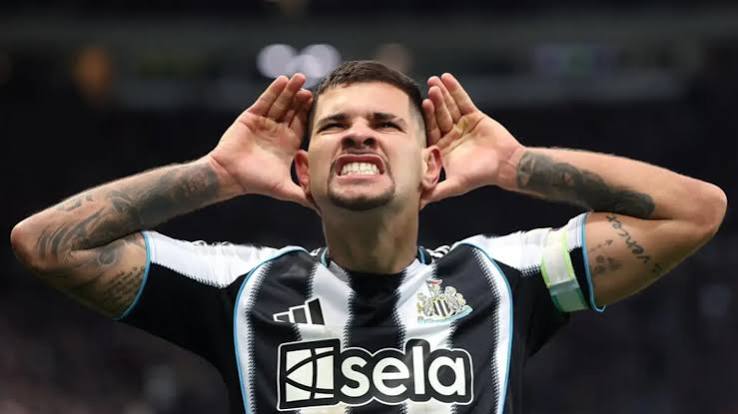
Tag: Bruno Guimaraes

  • Bruno Guimaraes to Arsenal: The Record-Breaking £100m Midfield Gamble

    Bruno Guimaraes to Arsenal: The Record-Breaking £100m Midfield Gamble

    Arsenal are on the verge of signing Bruno Guimaraes from Newcastle United for a fee in the region of £85-£100 million, a move that would make the 28-year-old the most expensive midfielder aged 28 or older in football history. This transfer is not just a statement of intent from Mikel Arteta’s side; it’s a financial and tactical gamble that could redefine how clubs value players entering their prime.

    The deal, which has been rumored for over a year, finally appears to be materializing. With personal terms reportedly agreed and Newcastle under pressure to comply with Profit and Sustainability Rules (PSR), the stars have aligned for a blockbuster move. But as Arsenal prepare to break the bank, questions linger: Is Bruno worth the record fee? And what does this mean for both clubs?

    The Record in Sight

    When Casemiro moved from Real Madrid to Manchester United for £70m in 2022, he set the benchmark for midfielders aged 28 or older. Two years later, that record is about to be obliterated. Bruno Guimaraes, at 28, is set to command a fee that could reach £100m, surpassing Casemiro’s mark by a significant margin and entering the territory of younger superstars like Enzo Fernández (£106.8m) and Declan Rice (£105m).

    What makes this particularly striking is the age factor. Traditionally, midfielders over 28 have seen their market value decline, as clubs prioritize younger assets with resale potential. But Bruno’s profile defies convention. His relentless pressing, progressive passing, and goal threat from midfield have made him one of the Premier League’s most influential players since joining Newcastle in January 2022. At 28, he is in his prime, with a fitness record that shows he rarely misses matches. For Arsenal, this is a calculated bet that his best years are still ahead.

    Why Arsenal Are Going All In

    Mikel Arteta’s system demands a midfielder who can do it all: win duels, break lines, and contribute goals. Bruno fits that mold perfectly. He is a box-to-box dynamo who can partner with Declan Rice in a double pivot or play as the advanced No. 8, offering more attacking thrust than the aging Jorginho or the injury-prone Thomas Partey.

    Bruno’s leadership is another factor. He is a vocal presence on the pitch, a natural captain who has been the heartbeat of Newcastle’s resurgence. Arsenal have lacked that commanding figure in midfield since the departure of Granit Xhaka. Bruno would fill that void and then some.

    Premier League experience is the ultimate bonus. There is no adaptation risk; Bruno knows the league’s physical demands intimately. He has already proven he can dominate games against the Big Six, including Arsenal themselves. This is a signing designed to close the gap on Manchester City.

    Newcastle’s Dilemma

    For Newcastle, selling their crown jewel is a painful but pragmatic decision. The club’s PSR constraints mean they must balance the books, and a fee of this magnitude would provide pure profit, easing their financial compliance. The funds would allow them to strengthen multiple positions, from right wing to center-back to backup striker.

    But the sporting cost is significant. Bruno is not just a player; he’s the symbol of Newcastle’s Saudi-backed revival. Selling him signals a step backward, even if the money is good. The club’s fans will see this as prioritizing finances over ambition, especially after the high of winning the 2025 Carabao Cup, their first major trophy in 70 years.

    Bruno’s own ambition is a factor. He has reportedly expressed a desire to play Champions League football regularly and compete for titles. Newcastle’s ceiling under PSR may be limited, and Arsenal offer a realistic path to silverware. At 28, he cannot afford to wait.

    The Financial Mechanics

    A £90m+ signing will require Arsenal to offset sales to comply with PSR. Expect outgoings like Emile Smith Rowe or Eddie Nketiah to be on the chopping block. Bruno would also command a substantial wage, likely in the £250k-£300k per week range, making him one of Arsenal’s top earners.

    Is it worth it? In a market where Declan Rice cost £105m at 24, a £100m fee for a 28-year-old with Bruno’s pedigree is not outrageous. His availability and consistency are rare commodities. Arsenal are not just buying a player; they are buying a guarantee of performance.

    Bruno Guimaraes to Arsenal is a transfer that makes sense on multiple levels. For Arsenal, it’s a statement of intent and a tactical upgrade. For Newcastle, it’s a financial necessity and a sporting sacrifice. For Bruno, it’s the chance to compete at the highest level. The record fee is a risk, but in the high-stakes world of Premier League football, it’s a calculated one.

    Summary

    • Bruno Guimaraes is set to join Arsenal for £85-£100m, making him the most expensive midfielder aged 28+ in history.
    • The transfer is driven by Arsenal’s need for a box-to-box midfielder and Newcastle’s PSR constraints.
    • Bruno’s age is not a concern given his fitness record and Premier League experience.
    • Arsenal will need to offload players to balance the books for this signing.

    FAQ

    Q: Why is Bruno Guimaraes considered the most expensive midfielder aged 28+?
    A: The current record for a midfielder aged 28 or older is Casemiro’s £70m move to Manchester United in 2022. Bruno’s fee is expected to exceed £85m, breaking that record.

    Q: What is Newcastle’s reason for selling Bruno?
    A: Newcastle must comply with Profit and Sustainability Rules (PSR), and selling Bruno for a huge fee provides pure profit, easing financial compliance. They also have to balance books to avoid sanctions.

    Q: How will Arsenal fund the transfer?
    A: Arsenal will likely offset the cost by selling players such as Emile Smith Rowe or Eddie Nketiah to meet PSR requirements.

    Q: What role will Bruno play at Arsenal?
    A: He is expected to play as a box-to-box No. 8, partnering with Declan Rice in midfield, offering more attacking thrust and leadership.

    Q: Is Bruno’s age a concern?
    A: At 28, he is in his prime, and his fitness record shows he rarely misses matches. Arsenal are betting that his best years are still ahead.
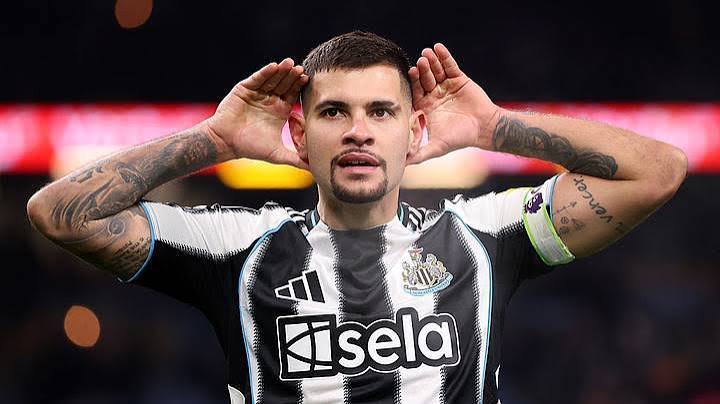
  • Arsenal’s Bruno Guimaraes Pursuit: A Transfer That Could Reshape the Premier League’s Midfield Hierarchy

    Arsenal’s Bruno Guimaraes Pursuit: A Transfer That Could Reshape the Premier League’s Midfield Hierarchy

    In the high-stakes chess game of Premier League transfers, few moves carry as much strategic weight as Arsenal’s reported pursuit of Newcastle United captain Bruno Guimaraes. This isn’t just another rumor mill story; it’s a potential seismic shift that touches on financial regulations, club ambitions, and the delicate balance of power in English football’s upper echelons.

    At its core, this is a tale of two clubs at crossroads. Arsenal, hungry to close the gap on Manchester City, see Guimaraes as the missing piece in their midfield puzzle. Newcastle, despite their Saudi-backed wealth, find themselves shackled by Profit and Sustainability Rules (PSR) that threaten to force a painful decision. The outcome could redefine both clubs’ trajectories for years to come.

    The Player: More Than Just a Midfielder

    Bruno Guimaraes is not your typical defensive midfielder. At 27, he’s a box-to-box dynamo with the technical elegance of a Brazilian playmaker and the relentless energy of a Premier League workhorse. Since his £40 million move from Lyon in January 2022, he has been the heartbeat of Newcastle’s resurgence, helping them secure Champions League football in 2022-23 and earning the captain’s armband in 2024.

    His skill set is tailor-made for Mikel Arteta’s system. Guimaraes excels at ball progression, breaking lines with incisive passes, and pressing with intelligence. He’s not a pure anchor like Rodri; rather, he’s a player who can dictate tempo, contribute goals, and provide leadership. For Arsenal, who already boast Declan Rice and Martin Ødegaard, adding Guimaraes would create a midfield trio that could dominate possession and physically overwhelm opponents.

    Arsenal’s Midfield Puzzle

    Arsenal’s interest isn’t born of desperation but of strategic foresight. Thomas Partey and Jorginho, both over 30, have struggled with injuries and consistency. While Rice has been a revelation since his £105 million move, Arteta craves more defensive solidity and physicality in the center of the park. Guimaraes, with his Premier League experience and proven ability to perform under pressure, fits the profile perfectly.

    There’s also the Brazilian connection. Guimaraes would join compatriots Gabriel Jesus and Gabriel Martinelli, easing his adaptation and potentially unlocking even more from Arsenal’s attack. The Emirates Stadium could become a hub for Brazilian talent, with Guimaraes as the orchestrator.

    Newcastle’s Financial Tightrope

    Newcastle’s dilemma is a classic case of modern football’s financial realities clashing with sporting ambition. The Public Investment Fund’s wealth is vast, but PSR rules cap losses at £105 million over three years. The club has already sold Allan Saint-Maximin to balance the books, and selling Guimaraes would represent a massive profit on their initial investment—potentially easing PSR concerns significantly before the June 30 accounting deadline.

    Manager Eddie Howe has called Guimaraes “integral” to the project, and fans would be devastated to lose their captain. But the threat of points deductions looms large, and the club may have no choice but to consider offers. The reported £100 million release clause is a double-edged sword: it protects Newcastle’s valuation but also sets a clear price that a club like Arsenal could meet.

    The Release Clause Myth

    It’s crucial to dispel a common misunderstanding: a release clause does not mean a deal is imminent. It simply means that if a club triggers it, Newcastle cannot block the transfer. However, negotiations over payment structure—installments, add-ons, and the like—still occur. Arsenal have historically been cautious with mega-deals, preferring value. Whether they’d be willing to structure a £100 million package remains to be seen.

    Moreover, Newcastle aren’t in a fire-sale mode. They have other levers, such as selling fringe players or securing new sponsorship deals. They may resist unless the offer is overwhelming. This isn’t a desperate seller; it’s a club weighing long-term consequences.

    The Ripple Effects Across the League

    If this transfer goes through, it would send shockwaves through the Premier League. For Arsenal, it signals a clear intent to challenge City’s dominance. For Newcastle, it could mark a strategic pivot—perhaps reinvesting in younger talents or reshaping the squad to comply with PSR while maintaining competitiveness.

    There’s also the broader market context. Elite midfielders are commanding astronomical fees—Rice’s £105 million move set a benchmark. Guimaraes’ fee would be comparable, and it could inflate prices further. Clubs across Europe will watch closely, as this deal could redefine how PSR-driven clubs approach player trading.

    The Human Element

    Amid the financial jargon and tactical analysis, it’s easy to forget the human side. Guimaraes has spoken warmly of Newcastle and its fans, but he’s also hinted at ambition to compete for major trophies. Arsenal offer Champions League football and a realistic title challenge—something Newcastle can’t guarantee in the near term. A move would be a step up in his career, but it would also mean leaving a club where he’s adored and has a captain’s role.

    For Newcastle fans, this is a bitter pill. Selling a fan favorite and leader could damage morale and the club’s image. But in the cold calculus of modern football, loyalty often takes a backseat to financial survival.

    The Bruno Guimaraes saga is far from over. It’s a complex negotiation involving player ambition, club finances, and strategic planning. Whether he dons the Arsenal red or stays true to Newcastle’s black and white, this transfer window will be defined by how these two clubs navigate their crossroads. For fans, it’s a reminder that in today’s game, nothing is certain until the ink dries on the contract.

    Summary

    • Arsenal have opened talks with Newcastle for Bruno Guimaraes, a 27-year-old Brazilian midfielder and Newcastle’s captain.
    • Guimaraes has a reported £100 million release clause, but negotiations over structure and add-ons are still required.
    • Newcastle face PSR pressure and may need to sell key assets before June 30 to avoid sanctions.
    • Arsenal see Guimaraes as the ideal addition to their midfield, bringing Premier League experience and leadership.
    • The transfer would have significant ripple effects on both clubs and the wider Premier League market.

    FAQ

    Q: Is Bruno Guimaraes a defensive midfielder?
    A: No, he’s more accurately a box-to-box or advanced playmaker. His strengths lie in ball progression, pressing, and goal contributions, not just defensive shielding.

    Q: Does the release clause mean Arsenal can sign him easily?
    A: Not necessarily. The release clause sets a price, but negotiations over payment structure and add-ons still occur. Arsenal may be cautious about meeting the full £100 million upfront.

    Q: Why would Newcastle sell their captain?
    A: Newcastle are under pressure to comply with Profit and Sustainability Rules (PSR), which limit losses. Selling Guimaraes would generate a significant profit and ease financial concerns, despite the sporting and fan backlash.

    Q: What would Guimaraes bring to Arsenal?
    A: He’d bring Premier League experience, leadership, and a proven ability to dictate play. He fits Arteta’s profile of a high-energy, technically gifted midfielder and would form a formidable trio with Rice and Ødegaard.

    Q: Could this transfer happen in the January window?
    A: While talks are ongoing, a January move is possible but complex. Newcastle may prefer to wait until summer to maximize the fee, but PSR deadlines could accelerate a decision.