Mozilla’s announcement that Firefox 157 will enable JPEG XL by default on all platforms marks a significant shift in the web image format landscape. For years, JPEG XL has been a promising but underutilized format, with only Safari offering it by default. Now, Firefox is joining, providing a viable alternative to the Chromium-dominated ecosystem.
This move is not just about adding a new format; it’s about open standards, user choice, and better image compression. For photographers, web developers, and everyday users, this could mean faster-loading pages and smaller file sizes without sacrificing quality. Let’s explore what JPEG XL is, why Firefox’s decision matters, and what the practical implications are.
The Backstory: JPEG XL’s Rocky Road
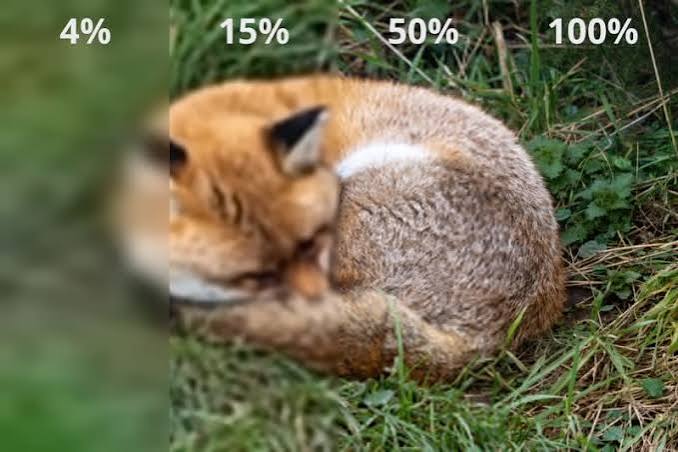
JPEG XL (ISO/IEC 18181) is a next-generation image format finalized in 2021, developed by the JPEG Committee with contributions from Google and Cloudinary. Its headline feature is a 40–60% file size reduction compared to legacy JPEG at equivalent quality, but it also supports lossless compression, HDR, wide color gamut, and progressive decoding. Crucially, it is backward-compatible: existing JPEG files can be losslessly transcoded to JPEG XL with zero quality loss.
Google Chrome shipped JPEG XL support in 2021 but removed it in early 2023, citing insufficient ecosystem adoption and a desire to focus on AVIF. That decision was met with widespread criticism from imaging professionals. Apple, however, added JPEG XL support to Safari in late 2023. Now, Firefox is following suit, having kept the format behind a preference flag since version 90 (2021).
What Firefox’s Default-On Support Means
Starting with Firefox 157 (expected around September/October 2025), JPEG XL will be enabled by default on Windows, macOS, Linux, and Android. This is a significant endorsement from a major browser engine, Gecko, after years of cautious testing. The implementation already uses the mature libjxl library and has been stable behind the flag for years.
This move gives web developers more confidence to serve JPEG XL images, knowing that a substantial portion of users (Safari + Firefox) can view them without fallback. It also puts pressure on Chromium-based browsers to reconsider their position, as the format gains traction.
Why Mozilla Made This Move
Mozilla’s decision appears to be a combination of factors:
- Growing industry support: Safar’s adoption and camera manufacturers shipping JPEG XL show the format is viable.
- AVIF’s limitations: AVIF, while excellent for many uses, lacks lossless JPEG transcoding and has slower encode/decode performance, making it less suitable as a complete JPEG replacement.
- Community pressure: Enthusiasts and developers have long advocated for JPEG XL, and Mozilla has responded to that demand.
- Differentiation: In a browser market dominated by Chromium, offering a feature that Chrome lacks can be a point of distinction.
The Practical Benefits for Users and Developers
For end users, the most tangible benefit is faster page loads. JPEG XL’s compression means smaller images, which translates to less data transferred and quicker rendering. On mobile devices, this can also save battery and data allowances. The format’s support for HDR and wide gamut means photos can look more vibrant on capable displays.
For developers, the <picture> element allows serving JPEG XL with fallbacks for browsers that don’t support it, so adoption can be gradual. The format also opens up new possibilities for lossless image delivery, which is critical for medical imaging, archiving, and professional photography.
The Skeptics’ Concerns
Not everyone is celebrating. Some web developers worry about fragmentation: now they have to consider JPEG, PNG, WebP, AVIF, and JPEG XL. However, this is a common situation on the web; the <picture> element exists precisely for this. Encoding support in tools like Photoshop and CMS platforms is still limited, though this is likely to improve with increased browser adoption.
There’s also the performance question: JPEG XL decoding is more CPU-intensive than JPEG. But in practice, this only matters if a site actually serves JXL images, which is rare today. And modern devices handle it fine.
Security and Maturity
The format has been fuzzed and audited, with no major vulnerabilities reported in Firefox’s implementation. The code has been battle-tested behind the flag for years, so the default-on change is low risk.
The Bigger Picture: Open Standards vs. Corporate Control
This move is a win for open standards. JPEG XL is royalty-free, unlike HEIC/HEIF, which has licensing implications. By supporting it, Mozilla is championing a format that benefits users and the web as a whole, rather than a proprietary alternative.
Some might say Google’s removal was a strategic misstep; Firefox’s adoption could be seen as a correction. The web is better when browsers compete on features and standards, not just on market share.
Firefox 157 shipping JPEG XL by default is a clear signal that the format is here to stay. It offers tangible benefits in compression and features, and it strengthens the case for open standards. While not a silver bullet for every image need, JPEG XL is an excellent successor to the aging JPEG format. For users, it means faster, richer web experiences. For developers, it’s an opportunity to optimize and future-proof their work.
Summary
- Firefox 157 enables JPEG XL by default on all platforms (Windows, macOS, Linux, Android), expected around September/October 2025.
- JPEG XL offers 40-60% better compression than JPEG, plus lossless, HDR, and wide gamut support.
- Mozilla’s move follows Safari’s adoption, putting pressure on Chromium browsers to reconsider.
- The format is not new; it’s been in Firefox behind a flag since 2021, now turned on.
- Mixed reactions: enthusiasts cheer, some developers worry about fragmentation, but the
<picture>element helps manage compatibility.
FAQ
Q: What is JPEG XL?nA: JPEG XL is a next-generation image format (ISO/IEC 18181) that compresses images better than JPEG (40-60% smaller files) while also supporting lossless, HDR, and wide color gamut. It’s royalty-free and backward-compatible with JPEG.nnQ: When will Firefox 157 be released?nA: Firefox 157 is expected around September/October 2025, based on Mozilla’s ~4-week release cycle.nnQ: Will this affect how I use Firefox?nA: No, unless you encounter JPEG XL images on websites. Most sites don’t serve them yet, so the impact is minimal. When they do, you’ll see them without needing to change settings.nnQ: Why did Chrome remove JPEG XL support?nA: Google removed it in 2023, citing insufficient ecosystem adoption and a focus on AVIF. Many imaging professionals criticized this decision. Firefox’s move is a countervailing force.nnQ: Is JPEG XL safe?nA: Yes, it has been fuzzed and audited, with no major vulnerabilities reported in Firefox’s implementation.