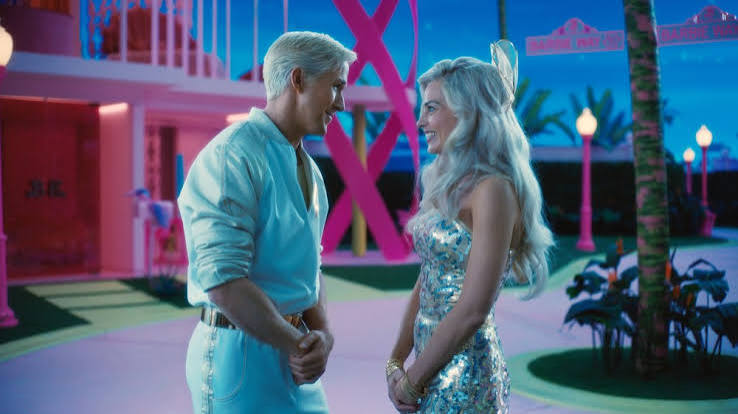
A split image showing Margot Robbie as Barbie and Ryan Gosling as Ken on one side, and Warner Bros. Discovery CEO David Zaslav on the other, with a dollar sign or negotiation table in between.
The record-breaking success of Barbie made it the highest-grossing film of 2023 and Warner Bros.’ biggest hit ever, but a sequel is reportedly stalled due to a salary dispute. According to insider reports, Warner Bros. Discovery CEO David Zaslav has not approved significant pay raises for stars Margot Robbie and Ryan Gosling, who are seeking compensation commensurate with the film’s $1.4 billion box office haul. The standoff highlights the tension between the studio’s cost-cutting culture and the expectations of top talent following a cultural phenomenon.
As negotiations remain unresolved, the future of the franchise hangs in the balance. The film’s eight Academy Award nominations, including Best Picture, and its cultural impact have raised the stakes for all parties involved. With contracts potentially expiring, the window for a sequel may be closing, leaving fans and industry observers wondering whether the magic can be replicated—or if the dispute will derail the project entirely.
The Blockbuster That Changed the Game
Barbie, directed by Greta Gerwig and starring Margot Robbie and Ryan Gosling, grossed over $1.4 billion worldwide, becoming the highest-grossing film of 2023 and Warner Bros.’ biggest hit ever. The film received eight Academy Award nominations, including Best Picture, Best Supporting Actor for Gosling, and Best Supporting Actress for America Ferrera, winning one Oscar for Best Production Design. Its success was not just financial but cultural, with the “I’m Just Ken” musical number becoming a viral sensation and the film sparking widespread discourse on gender and identity.
Given this unprecedented success, it would seem natural for the studio to fast-track a sequel. However, reports indicate that negotiations have hit a snag over compensation. According to anonymous sources, Zaslav is reluctant to approve the significant pay increases that Robbie, Gosling, and likely Gerwig are seeking. The talent, having delivered a once-in-a-generation hit, are leveraging their position to secure a share of the upside.
The Studio’s Austerity Culture
Warner Bros. Discovery under Zaslav has been characterized by aggressive cost-cutting measures. The company has shelved completed projects like Batgirl and Coyote vs. Acme for tax write-offs, creating tension with creatives. This fiscal conservatism is driven by the company’s significant debt and the need to deliver shareholder value. Zaslav’s reluctance to approve big pay bumps may stem from a broader strategy to manage costs, especially in an uncertain box-office environment.
However, industry observers note that sequels to hit films typically involve substantial salary increases for stars. Precedents like Top Gun: Maverick and Joker: Folie à Deux show that studios are often willing to pay top dollar to secure the return of key talent. The question is whether WBD’s austerity culture will allow for such expenditures, or if it will alienate the very people who made Barbie a success.
The Talent’s Perspective
From the perspective of Robbie, Gosling, and Gerwig, they delivered a film that exceeded all expectations. In Hollywood, stars often take lower upfront pay in exchange for backend points, meaning their compensation is tied to performance. Given the film’s massive success, they may feel that their initial deals did not reflect the true value they brought. The sequel negotiation is an opportunity to reset terms and be compensated fairly for their contributions.
Robbie, who also produced the film through her company LuckyChap Entertainment, has a vested interest in the franchise’s future. Gosling’s portrayal of Ken elevated his bargaining power, making him a cultural icon. Gerwig, who has stated she is open to a sequel only if the story is right, is also in high demand, with a Chronicles of Narnia adaptation for Netflix in the works. Their leverage is at its peak, and they are unlikely to settle for less than they believe they deserve.
The Industry and Fan Reactions
The standoff has sparked debate within the industry and among fans. Some argue that Zaslav is being short-sighted, risking a lucrative franchise over salary disputes. Others contend that the talent’s demands may be excessive, especially given the uncertainty of replicating a cultural phenomenon. There is also skepticism about whether a sequel is necessary at all, with some fans fearing it could tarnish the original’s legacy.
The “who needs whom” question is central. While Robbie and Gosling’s characters are iconic, the Barbie IP is owned by Mattel, which may push for expansion regardless. A sequel could potentially introduce new characters or explore different storylines, reducing the reliance on the original stars. However, the chemistry between Robbie and Gosling was a key factor in the film’s success, and recasting would be risky.
The Path Forward
As of now, no official announcement has been made about the sequel’s status. The reports are based on anonymous sources, and the situation may still resolve. The delay could also be attributed to creative differences, scheduling conflicts, and Mattel’s involvement as IP owner. Salary is just one piece of a larger puzzle.
If the sequel falls apart, it would signal that Zaslav is willing to sacrifice major IP for fiscal conservatism, potentially alienating top talent. On the other hand, if a deal is reached, it would demonstrate that the studio recognizes the value of its stars. The outcome will have implications for future negotiations between studios and talent, especially in an era where blockbuster success is increasingly rare.
Conclusion
The ‘Barbie’ sequel standoff is a classic Hollywood negotiation, pitting the studio’s cost-cutting culture against the expectations of talent who delivered a historic hit. The resolution will not only determine the fate of the franchise but also send a message about how studios value their creative partners. As fans wait with bated breath, the industry watches to see whether Zaslav will blink or hold the line.
The future of the ‘Barbie’ sequel remains uncertain, but the stakes are clear. For Warner Bros. Discovery, it’s a test of whether fiscal conservatism can coexist with blockbuster ambitions. For Robbie, Gosling, and Gerwig, it’s about being fairly compensated for their monumental success. And for fans, it’s about whether the magic can be recaptured. Whatever the outcome, this negotiation will be a defining moment in the relationship between studios and talent in the modern era.
Summary
- Barbie grossed over $1.4 billion worldwide, becoming the highest-grossing film of 2023 and Warner Bros.’ biggest hit ever.
- A sequel is reportedly stalled because CEO David Zaslav hasn’t approved higher salaries for stars Margot Robbie and Ryan Gosling.
- The film received eight Academy Award nominations, including Best Picture, and won one Oscar.
- The standoff reflects tension between WBD’s cost-cutting culture and talent expectations following a cultural phenomenon.
- The outcome will have implications for future studio-talent negotiations and the fate of the franchise.
FAQ
Q: Is the ‘Barbie’ sequel officially cancelled?
A: No, the sequel is not officially cancelled. Reports indicate that negotiations have stalled over salary disputes, but no official announcement has been made. The situation may still resolve.
Q: Why are Margot Robbie and Ryan Gosling seeking higher salaries?
A: They delivered a record-breaking hit that grossed over $1.4 billion, and they are seeking compensation commensurate with the film’s success. In Hollywood, stars often take lower upfront pay for backend points, and the sequel negotiation is a chance to reset terms.
Q: What is David Zaslav’s role in the dispute?
A: David Zaslav is the CEO of Warner Bros. Discovery, and he is reportedly reluctant to approve the significant pay increases. His cost-cutting approach has led to shelving projects like Batgirl and Coyote vs. Acme.
Q: Could a sequel work without Robbie and Gosling?
A: It’s possible, as the Barbie IP is owned by Mattel and could be expanded with new characters. However, the chemistry between Robbie and Gosling was a key factor in the film’s success, and recasting would be risky.
Q: What are the chances of a sequel happening?
A: The chances are uncertain. The delay could be resolved if a deal is reached, but it may also fall apart if the parties can’t agree. Creative differences, scheduling conflicts, and Mattel’s involvement also play a role.