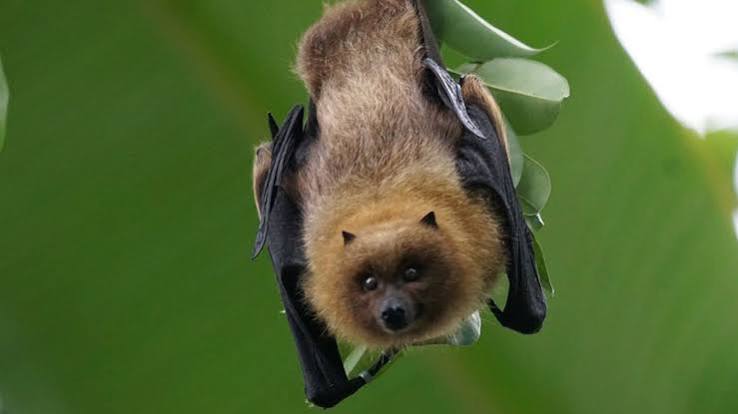
Bats are nature’s viral reservoirs, hosting deadly pathogens like Ebola, Nipah, and SARS-CoV-2 without falling ill. For decades, scientists have puzzled over this remarkable tolerance. Now, a groundbreaking discovery in vesper bats reveals a unique antibody system that may hold the key.
Researchers have found that these bats possess two distinct sets of antibody genes—a rare evolutionary arrangement that could allow them to mount effective immune responses while avoiding the harmful inflammation that makes viruses deadly in humans. This finding not only deepens our understanding of bat immunology but also offers potential insights for human medicine.
The Antibody System in Most Mammals
To appreciate the bat discovery, it helps to understand how antibodies work in typical mammals, including humans. Our immune system generates a vast array of antibodies through a process called V(D)J recombination. This involves shuffling variable (V), diversity (D), and joining (J) gene segments to create millions of unique antibodies from a single genetic locus. Humans have one primary heavy chain locus and two light chain loci, producing a diverse repertoire that can recognize virtually any pathogen.
The Bat Discovery: Two Sets of Antibody Genes
In vesper bats (family Vespertilionidae), researchers identified two distinct sets of immunoglobulin genes—a duplication that is extremely rare among mammals. This means these bats have an additional, independently functioning antibody locus. The two systems may serve different roles: one likely produces the conventional antibody response (IgM, IgG, etc.), while the other may generate antibodies with unique properties, potentially less inflammatory or more broadly neutralizing.
This dual system could be a game-changer. It suggests that bats can fight off viruses without triggering the excessive inflammation that causes severe disease in humans. For example, when humans contract SARS-CoV-2, our immune system can overreact, leading to cytokine storms and tissue damage. Bats, by contrast, seem to control viral replication while keeping inflammation in check.
Why Bats Are Such Efficient Viral Reservoirs
Bats are the only mammals capable of sustained flight, a feat that demands high metabolic rates and elevated body temperatures. This physiological stress likely shaped their immune systems to avoid damaging inflammatory responses. Previous research has shown that bats have dampened STING and NLRP3 inflammasome pathways, and they constitutively express interferons—their antiviral defenses are ‘always on’ at a low level.
The new finding adds another layer: a second antibody locus that may produce antibodies with distinct effector functions. This could allow bats to neutralize viruses without the collateral damage seen in human infections. It’s a delicate balance that enables them to carry viruses like Ebola and Nipah without showing symptoms.
Evolutionary and Medical Implications
The duplication of antibody genes likely arose through a gene duplication event, driven by selective pressures from flight, longevity, and viral exposure. Vesper bats are the largest bat family, with over 400 species, including common pipistrelles and big brown bats. Understanding how this system evolved could shed light on the broader evolutionary arms race between hosts and pathogens.
From a medical perspective, this discovery is tantalizing. Could bat-derived antibodies be used as broadly neutralizing agents against emerging viruses? Could we engineer human antibodies with similar properties to reduce inflammation during infections? These are questions that researchers are eager to explore. The dual antibody system might also explain why some bat viruses spill over into humans with devastating effect—our immune systems overreact to pathogens that bats tolerate.
Clearing Up Misconceptions
It’s important to note that bats are not ‘immune’ to viruses. They do get infected and can shed viruses, but they rarely show clinical disease. They tolerate, not eliminate, many viruses. The dual antibody system is just one piece of a complex puzzle, alongside other mechanisms like dampened inflammasome pathways and constitutive interferon expression.
This research underscores the unique biology of bats and argues for their conservation. By studying bats, we may learn how to better prepare for and treat viral outbreaks in humans. Far from being villains, bats are a treasure trove of evolutionary adaptations that could benefit human health.
The discovery of a dual antibody system in vesper bats is a fascinating glimpse into the evolutionary ingenuity of these creatures. It not only helps explain their remarkable viral tolerance but also opens new avenues for medical research. As we continue to face emerging infectious diseases, understanding how bats coexist with viruses could be key to developing new therapies and vaccines. This research reminds us that sometimes the most profound lessons come from the most unexpected teachers.
Summary
- Vesper bats have two distinct sets of antibody genes, a rare evolutionary duplication.
- One set likely produces conventional antibodies, while the other may generate antibodies with unique, less inflammatory properties.
- This dual system may help bats tolerate viruses without severe disease, unlike humans who often overreact.
- The discovery adds to known bat immune adaptations like dampened inflammasome pathways and constitutive interferon expression.
- Understanding bat antibodies could inform human vaccine design and therapeutic antibody engineering.
FAQ
Q: Are bats immune to viruses?
A: No, bats can be infected and shed viruses, but they rarely show clinical disease. They tolerate viruses rather than eliminate them.
Q: What is the dual antibody system in vesper bats?
A: Vesper bats have two separate sets of immunoglobulin genes, likely resulting from a gene duplication. One set functions conventionally, while the other may produce antibodies with distinct properties.
Q: How does this discovery help explain bat viral tolerance?
A: The second antibody system may allow bats to mount effective antiviral responses without triggering harmful inflammation, contributing to their ability to carry viruses asymptomatically.
Q: Could this research lead to new human treatments?
A: Potentially, yes. Insights from bat antibodies could inform vaccine design or therapeutic antibodies that reduce inflammation during infections.
Q: Do all bats have this dual antibody system?
A: The discovery was made in vesper bats, the largest bat family. It’s not yet known if other bat families share this trait.