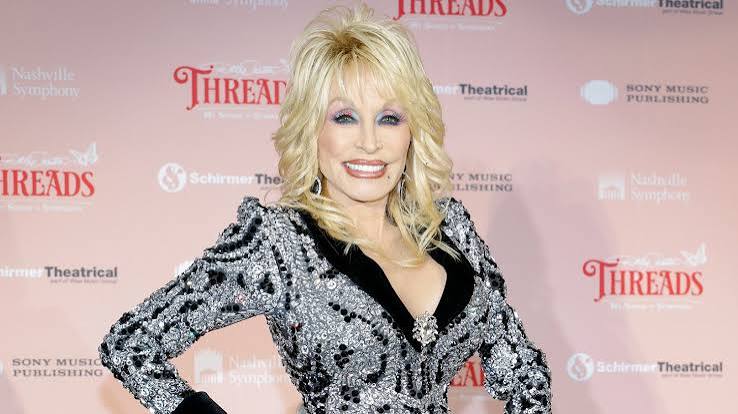
When Dolly Parton stepped onto a movie set for the first time in 1980, she had already conquered country music with hits like “Jolene” and “I Will Always Love You.” But Hollywood was a different arena, one where many music stars stumbled. Parton didn’t just succeed—she left an indelible mark, not by transforming into someone else, but by bringing her fully formed, rhinestone-studded self to every role.
Her filmography is small but mighty: seven feature films over four decades, each one a testament to her instinctive, unpretentious acting style. From the feminist workplace comedy “9 to 5” to the Southern ensemble drama “Steel Magnolias,” Parton proved that authenticity could be a superpower on screen. This article explores how a singer with no formal acting training became a beloved film presence, simply by being unapologetically Dolly.
From Nashville to Hollywood: A Calculated Crossover
By 1980, Dolly Parton was a country music superstar with two Grammy Awards and a successful variety show under her belt. Her crossover into mainstream pop was deliberate, but her move into film was equally strategic. Jane Fonda, already a Hollywood heavyweight, saw Parton on television and specifically wanted her for “9 to 5.” Fonda believed Parton could bring working-class and Southern audiences to a feminist story about workplace sexism.
Parton’s casting was not just a stunt. She brought a natural, unforced presence that balanced the film’s more theatrical performances. Playing Doralee Rhodes, a secretary who refuses to be a victim, Parton held her own against Fonda and Lily Tomlin. The film grossed over $103 million domestically on a $10 million budget, proving that a female-led comedy could be a box office juggernaut.
The Authentic Persona as a Creative Choice
Parton’s on-screen characters often mirrored her public image: glamorous, witty, and shrewdly intelligent. She never played a “country bumpkin” stereotype. In “The Best Little Whorehouse in Texas” (1982), she portrayed Miss Mona, a brothel madam with dignity and heart, opposite Burt Reynolds. The film received mixed reviews but was commercially successful, and Parton’s re-recording of “I Will Always Love You” became a poignant centerpiece.
Even in failures, Parton’s authenticity shone. “Rhinestone” (1984), where she played a country singer trying to turn Sylvester Stallone into a star, was a critical and commercial flop. But Parton later joked about it with characteristic humor, never disowning the film. That lack of self-consciousness—both on screen and in interviews—became her signature.
“Steel Magnolias” and the Power of Ensemble Acting
In 1989, Parton joined an ensemble cast for “Steel Magnolias,” playing Truvy Jones, the wisecracking owner of a beauty parlor in Louisiana. The film starred Sally Field, Shirley MacLaine, Olympia Dukakis, Daryl Hannah, and Julia Roberts. It was a critical and commercial success, and Parton’s performance was widely praised for its warmth and comic timing.
Parton didn’t need to dominate the screen; she elevated the ensemble. Her Truvy was the glue of the group, offering advice and laughter while dealing with her own struggles. The film’s enduring popularity is due in part to Parton’s grounded, relatable portrayal. She proved she could hold her own among acting heavyweights, not by matching their technical craft, but by bringing her own unique, unfiltered energy.
The Songwriting Secret Behind “9 to 5”
One of the most famous anecdotes about Parton’s film career involves the title song for “9 to 5.” She wrote the track using her acrylic fingernails to tap on a keyboard, mimicking the sound of a typewriter. The song became a #1 hit on both country and pop charts, earned her a Grammy, and was nominated for an Academy Award. It wasn’t just a promotional tie-in—it was a cultural phenomenon that captured the frustrations and aspirations of working women everywhere.
This songwriting ability was a unique asset for a film actress. Parton didn’t just appear in movies; she shaped their soundtracks. For “Dumplin’” (2018), a Netflix film about a plus-sized teen entering a beauty pageant, Parton contributed new songs, weaving her music into the story’s themes of self-acceptance.
A Legacy of Authenticity Over Volume
Parton’s film career is notable for what it isn’t: prolific. She made only seven feature films, but each one left a distinct impression. Her two Golden Globe nominations—for “9 to 5” and “The Best Little Whorehouse in Texas”—came early in her career, and while she never received major acting awards, her performances have aged well.
In 2006, she received the Kennedy Center Honors, and in 2022, the Presidential Medal of Freedom, recognizing her broader cultural impact. But her film work remains a beloved part of her legacy. Parton’s approach to acting—relying on instinct, insisting on characters true to herself, and never toning down her look or accent—was revolutionary in its simplicity. She didn’t disappear into roles; she invited audiences into her world.
Dolly Parton’s film career is a masterclass in the power of being yourself. In an industry that often demands transformation, she offered authenticity. Her characters were smart, capable, and warm, just like the persona she crafted on stage. Whether she was fighting workplace sexism in “9 to 5” or dishing out wisdom in “Steel Magnolias,” Parton lit up the screen not by acting, but by being unapologetically Dolly. That’s why her movies endure—and why she remains a Hollywood treasure.
Summary
- Dolly Parton had no formal acting training but relied on instinct and authenticity, making her on-screen presence unique.
- Her breakout film “9 to 5” (1980) was a box office hit, grossing over $103 million, and her title song became a #1 hit.
- She insisted on playing characters true to her identity, never toning down her look or accent, which set her apart from other music stars in film.
- In “Steel Magnolias” (1989), she proved she could shine in an ensemble cast, earning widespread praise.
- Though her filmography is small (seven feature films), each role left a lasting impression, and she received two Golden Globe nominations.
FAQ
Q: How many movies has Dolly Parton appeared in?
A: Dolly Parton has appeared in seven feature films: “9 to 5” (1980), “The Best Little Whorehouse in Texas” (1982), “Rhinestone” (1984), “Steel Magnolias” (1989), “Straight Talk” (1992), “Joyful Noise” (2012), and “Dumplin’” (2018).
Q: Did Dolly Parton receive any acting awards?
A: She received Golden Globe nominations for Best Actress in a Motion Picture – Musical or Comedy for “9 to 5” (1981) and “The Best Little Whorehouse in Texas” (1983). She did not win, but her performances were widely praised.
Q: What is the story behind the song “9 to 5”?
A: Dolly Parton wrote the song using her acrylic fingernails to tap on a keyboard, mimicking the sound of a typewriter. The song became a #1 hit on both country and pop charts, won a Grammy for Best Country Song, and was nominated for an Academy Award.
Q: Why is Dolly Parton considered an authentic actress?
A: Parton had no formal acting training and relied on her natural instincts. She insisted on playing characters true to her own identity, often pushing back against studio suggestions to tone down her look or accent. This authenticity made her stand out.
Q: What was Dolly Parton’s role in “Steel Magnolias”?
A: She played Truvy Jones, the wisecracking, big-hearted owner of a beauty parlor in a small Louisiana town. The film was a critical and commercial success, and Parton’s performance was widely praised for its warmth and humor.