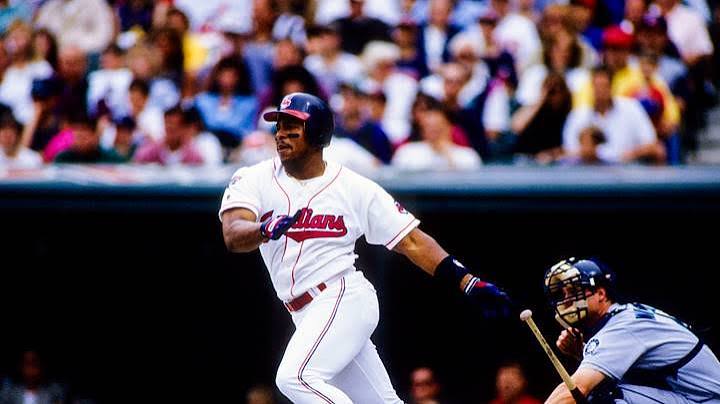
On August 11, 1994, the Montreal Expos held the best record in baseball and were on a collision course with destiny. Tony Gwynn was flirting with .400, Ken Griffey Jr. was chasing 60 home runs, and the Yankees were marching toward October. Twenty-four hours later, the sport ground to a halt. The players went on strike, and by mid-September, the World Series was cancelled for the first time in 90 years. The 1994 season didn’t just end—it vanished.
That strike lasted 232 days, the longest in MLB history, and it didn’t just cancel a postseason. It rewired baseball’s economy, poisoned fan trust, and triggered a chain reaction that still echoes today. The wild card, the luxury tax, interleague play, and even the Montreal Expos’ eventual relocation to Washington all trace back to that bitter labor war. Understanding the 1994 strike is not nostalgia; it’s a forensic key to how modern baseball operates.
The Perfect Storm: Why 1994 Was the Breaking Point
Baseball’s labor history reads like a series of warning signs ignored. Strikes in 1972, 1980, and 1981, plus lockouts in 1973, 1976, and 1990, had all been resolved without a catastrophic season loss. But the economic pressures of the early 1990s created a powder keg.
The average MLB salary had ballooned from roughly $290,000 in 1980 to $1.2 million by 1994—a fourfold increase in real terms. Small-market teams like the Pirates and Expos watched their stars get poached by wealthy clubs. The gap between the haves and have-nots was widening, and the owners, led by acting commissioner Bud Selig, decided to draw a line in the sand.
Their proposal was a hard salary cap linked to revenue, plus a revenue-sharing plan. On paper, it sounded like competitive balance. Players saw it as a cartel move to suppress wages. Union head Donald Fehr argued that owners voluntarily signed contracts; the market, not a cap, should set salaries. The 1993 CBA expired on December 31, 1993, and negotiations stalled through the spring and summer. Owners voted in January 1994 to implement a cap unilaterally if no deal was reached by spring training—a provocation that pushed the players toward a strike at the moment of maximum leverage: August, when most annual salaries were already paid.
The Strike and the Wiped-Out Season
On August 12, 1994, the players walked out. For the first time in baseball history, labor unrest didn’t just delay games—it erased them. The season was officially cancelled on September 14, taking down the postseason, the League Championship Series, and the World Series. The only other cancellation had been in 1904, and that was a owners’ dispute, not a strike.
The statistical what-ifs are tantalizing. Tony Gwynn was hitting .394, chasing the first .400 season since Ted Williams in 1941. Ken Griffey Jr. was on pace for roughly 60 home runs. The Montreal Expos, with a 74–40 record, were the best team in baseball and poised for their first championship since 1969. None of it counted. The final seven weeks of the regular season, about 50 games per team, simply vanished.
The strike dragged on through the winter. Owners tried to break the union by hiring replacement players for spring training 1995, a move that further alienated fans. The deadlock broke in March 1995 when a federal injunction from Judge Sonia Sotomayor—then a district judge—forced owners to restore the old CBA terms. Players returned on April 2, 1995, without a new deal, and the season started late, shortened to 144 games.
The Aftermath: Fan Alienation and the Expos’ Tragedy
The 1995 season was a disaster at the gate. Attendance dropped about 20%, and TV ratings cratered. Fans had watched millionaires and billionaires squabble over money while the game itself was held hostage. The damage was generational: youth participation waned, and the casual fan never fully returned until the McGwire-Sosa home run chase in 1998.
The Montreal Expos were the strike’s biggest casualty. Their golden generation—Larry Walker, John Wetteland, and others—was dismantled in trades because the strike killed their revenue momentum. The franchise never recovered, limped along for another decade, and relocated to Washington in 2005. A team that could have been a dynasty became a cautionary tale about how a labor dispute can alter a franchise’s destiny.
The Long Road to a New CBA
The players returned without a contract, and the 1995 season was played under the old terms. It wasn’t until November 1996 that a new CBA was finally ratified. The owners got no salary cap, but they did secure a luxury tax and revenue-sharing provisions. That compromise laid the foundation for the modern economic structure of baseball.
The luxury tax, which penalizes teams that exceed a payroll threshold, was designed to curb spending by the richest clubs. Revenue sharing redistributes local money from large-market teams to small-market ones. Both mechanisms remain central to MLB’s operations today, and they were born directly from the 1994-95 dispute.
The Modern Game’s Hidden Legacy
The 1994 strike’s fingerprints are all over today’s baseball. The wild card system, introduced in 1995, was partly a response to the strike—a way to inject excitement and draw fans back. Interleague play, which began in 1997, was another post-strike innovation. The sport that emerged from the ashes was more forgiving to small-market teams, but also more focused on parity and entertainment.
Labor relations have been quieter since, but the scars remain. Owners and players have learned that a work stoppage risks everything, but the underlying tensions—revenue disparity, competitive balance, and player compensation—never disappeared. The 2022 lockout and the 2021 CBA negotiations were direct descendants of the 1994 battle. The union’s willingness to fight, and the owners’ desire for a cap, still shape every negotiation.
What’s often forgotten is how close baseball came to self-destruction. The 1994 strike wasn’t just a lost season; it was a reset button. The modern game—with its expanded playoffs, luxury tax, and revenue sharing—is a direct response to that failure. The next time you see a wild card game or a team penalized for exceeding the payroll threshold, remember: it all started with a strike that nobody wanted but everyone knew was coming.
The 1994 strike is a ghost that still haunts baseball. It wiped out a season, dismantled a franchise, and forever changed the sport’s economics and culture. But it also forced a reckoning. The luxury tax, revenue sharing, and expanded playoffs all exist because of that painful year. The lesson is clear: baseball’s modern structures are not just quirks of history; they are deliberate scars from the longest work stoppage in the sport’s history. Understanding that strike is essential to understanding why the game looks and operates the way it does today.
Summary
- The 1994 players’ strike began on August 12 and lasted 232 days, cancelling the World Series for the first time in 90 years.
- The strike was triggered by owners’ demand for a salary cap; players refused, leading to a federal injunction in 1995 that forced owners to back down.
- The Montreal Expos, who had the best record in baseball, were dismantled after the strike, leading to their eventual relocation in 2005.
- Fan attendance dropped 20% in 1995 and didn’t recover until the 1998 home run chase.
- The 1996 CBA introduced the luxury tax and revenue sharing, which still govern MLB economics today.
FAQ
Q: How long did the 1994 MLB strike last?
A: The strike lasted 232 days, from August 12, 1994, to April 2, 1995, making it the longest work stoppage in Major League Baseball history.
Q: Was the 1994 World Series cancelled?
A: Yes, the World Series was cancelled for the first time since 1904. The entire postseason, including the League Championship Series, was wiped out.
Q: What was the main issue in the strike?
A: The owners demanded a hard salary cap and revenue sharing, while the players refused, arguing it would suppress salaries and was a restraint of trade.
Q: Who were the key figures in the strike?
A: Acting Commissioner Bud Selig, union head Donald Fehr, and owners’ negotiator Richard Ravitch were central. Judge Sonia Sotomayor issued the injunction that ended the strike.
Q: How did the strike affect the Montreal Expos?
A: The Expos had the best record in baseball (74–40) and were World Series favorites. After the strike, they were forced to trade their star players, and the franchise never recovered, eventually relocating to Washington, D.C., in 2005.